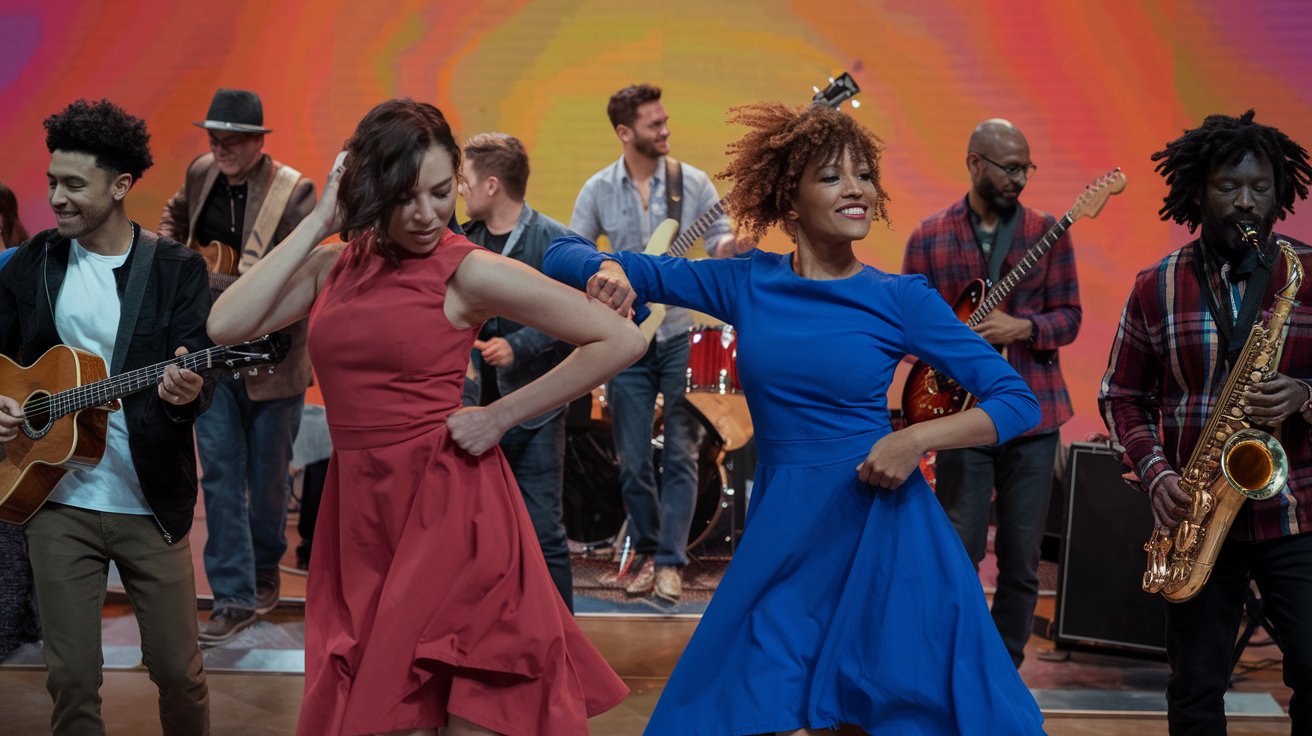
Latin music encompasses a diverse array of musical genres and styles originating from Latin America, Spain, and Portugal that have profoundly influenced American culture. From the infectious rhythms of salsa and reggaeton to the romantic melodies of bolero and the energetic beats of cumbia, these genres represent centuries of cultural fusion. This comprehensive guide explores the most popular types of Latin music, their distinctive characteristics, traditional instruments, and the legendary artists who continue shaping the Latin music landscape in the United States today.
Major Latin Music Genres and Styles
The landscape of Latin music genres is remarkably diverse, with over 20 distinct styles recognized globally in 2026. Each genre carries unique historical origins, rhythmic patterns, and cultural significance. In the United States, Latin music consumption has increased by 37% since 2020, with streaming platforms reporting that Latin music accounts for approximately 16% of all music consumption nationwide. These genres have evolved through centuries of cultural exchange, blending Indigenous, African, and European musical traditions into the vibrant sounds recognized today.
Understanding the different types of Latin music requires examining their geographical origins, instrumentation, and characteristic rhythms. The main categories include Caribbean styles like salsa and merengue, Mexican regional music such as mariachi and ranchera, South American genres including tango and cumbia, and modern urban styles like reggaeton and Latin trap. Each category represents distinct cultural expressions that have gained mainstream popularity throughout the United States, particularly in cities with large Hispanic populations like Miami, Los Angeles, New York, and Houston.
Caribbean Latin Music Styles
Caribbean Latin music styles represent some of the most internationally recognized and danceable genres within Latin music. These styles emerged from the rich cultural melting pot of Caribbean islands, particularly Cuba, Puerto Rico, and the Dominican Republic, where African rhythms merged with Spanish melodies and Indigenous influences.
Salsa Music
Salsa music originated in New York City during the 1960s and 1970s, created by Puerto Rican and Cuban immigrants who blended Cuban son, mambo, and other Caribbean rhythms with jazz elements. The genre features complex percussion patterns using congas, timbales, and bongos, alongside piano montunos and brass sections. Legendary artists like Celia Cruz, Héctor Lavoe, and Willie Colón established salsa as a dominant force, while contemporary performers such as Marc Anthony and La India continue its legacy. In 2026, salsa remains a staple in Latin dance clubs across the United States, with major festivals in New York, Miami, and San Francisco attracting thousands of enthusiasts annually.
Merengue and Bachata
Merengue music from the Dominican Republic features a fast-paced 2/4 rhythm driven by the tambora drum, accordion, and saxophone. Artists like Juan Luis Guerra and Elvis Crespo have popularized merengue internationally, making it a fixture at Latin celebrations. Bachata music, also Dominican in origin, evolved from a working-class genre in the 1960s to become one of the most romantic Latin styles. Modern bachata artists like Romeo Santos and Prince Royce have fused traditional guitar-based melodies with urban production, creating bachata sensual that dominates Latin Billboard charts. Both genres remain essential components of Latin dance instruction throughout the United States, with dedicated social dancing communities in major metropolitan areas.
Reggaeton and Latin Urban Music
Reggaeton music emerged in Puerto Rico during the 1990s, combining Jamaican reggae and dancehall with Latin American influences and hip-hop production. The characteristic dembow rhythm, created by drum machines and digital production, defines the genre’s sound. Artists like Daddy Yankee, Bad Bunny, and J Balvin have transformed reggaeton into a global phenomenon, with Bad Bunny becoming Spotify’s most-streamed artist worldwide in 2024 and 2025. In 2026, Latin urban music encompasses reggaeton, Latin trap, and regional Mexican urban fusions, representing approximately 42% of all Latin music streams in the United States. The genre has influenced mainstream American pop, with collaborations between Latin and English-language artists becoming increasingly common.
Regional Mexican Music Genres
Regional Mexican music represents the diverse musical traditions from different regions of Mexico, encompassing styles that range from traditional folk to modern urban interpretations. These genres constitute the largest segment of Latin music consumption in the United States, accounting for approximately 54% of Latin music streams in 2026, reflecting the substantial Mexican-American population. Regional Mexican encompasses mariachi, banda, norteño, corridos, ranchera, and newer fusion styles that blend traditional elements with contemporary production techniques.
Mariachi and Ranchera
Mariachi music represents Mexico’s most iconic musical tradition, featuring ensembles with violins, trumpets, guitars, vihuelas, and guitarróns. Originating in Jalisco during the 19th century, mariachi has become synonymous with Mexican cultural identity. Legendary performers like Vicente Fernández and Pedro Infante established the ranchera vocal style within mariachi contexts, characterized by passionate vocal delivery and themes of love, patriotism, and rural life. In 2026, mariachi remains culturally significant throughout the southwestern United States, with professional mariachi groups performing at restaurants, festivals, and special events. Cities like Los Angeles, San Antonio, and Tucson host annual mariachi festivals that attract international participants and preserve this UNESCO-recognized cultural heritage.
Banda and Norteño Music
Banda music from Sinaloa features large brass ensembles with tubas, clarinets, and percussion creating powerful, festive sounds perfect for celebrations. The genre experienced massive commercial success in the 1990s and 2000s with groups like Banda El Recodo and La Arrolladora Banda El Limón. Norteño music, originating from northern Mexico and Texas border regions, centers on the accordion and bajo sexto, creating the distinctive sound of conjunto music. Contemporary norteño artists like Los Tigres del Norte have addressed social issues including immigration, making the genre culturally relevant beyond entertainment. Both banda and norteño dominate radio stations throughout California, Texas, Arizona, and Nevada, representing the soundtrack of Mexican-American communities across the southwestern United States in 2026.
Corridos and Regional Mexican Urban
Corridos music serves as narrative ballads documenting historical events, social issues, and contemporary stories within Mexican culture. Traditional corridos date back to the Mexican Revolution, while modern corridos tumbados blend traditional storytelling with trap beats and urban production. Artists like Natanael Cano and Peso Pluma have pioneered this fusion, creating chart-topping hits that resonate with younger generations. The subgenre of narcocorridos, despite controversy, reflects complex social realities along the US-Mexico border. In 2026, regional Mexican urban music represents the fastest-growing segment within Latin music, with corridos tumbados accounting for 23% of regional Mexican streams. This evolution demonstrates how traditional genres adapt to contemporary sounds while maintaining cultural authenticity and storytelling traditions.
South American Latin Music Genres
South American music genres contribute distinctive sounds and cultural expressions to the Latin music landscape, with each country developing unique styles reflecting local traditions and historical influences. These genres showcase the continent’s musical diversity, from Argentina’s melancholic tango to Colombia’s joyful cumbia, and Brazil’s rhythmically complex samba and bossa nova.
Cumbia and Vallenato
Cumbia music originated along Colombia’s Caribbean coast, blending Indigenous, African, and Spanish musical elements into an infectious dance rhythm. The genre has spread throughout Latin America, with each region developing distinct variations—Mexican cumbia, Argentine cumbia villera, and Peruvian chicha all represent regional adaptations. Traditional cumbia uses percussion, flutes, and accordion, while modern interpretations incorporate electronic elements. Vallenato music, also Colombian, centers on accordion-based melodies telling stories of rural life and romance. Artists like Carlos Vives modernized vallenato during the 1990s, creating fusion styles that appeal to international audiences. Both genres remain popular in the United States, particularly within Colombian-American communities in cities like Miami, New York, and Houston, where Latin dance events regularly feature cumbia and vallenato music.
Tango and Argentine Folklore
Tango music emerged from Buenos Aires and Montevideo during the late 19th century, representing one of Latin America’s most sophisticated musical traditions. Characterized by the bandoneón accordion, violin, piano, and dramatic vocals, tango expresses themes of nostalgia, passion, and urban melancholy. Legendary figures like Carlos Gardel established tango’s golden age, while contemporary artists like Astor Piazzolla revolutionized the genre through nuevo tango incorporating jazz and classical elements. Argentine folklore encompasses diverse styles including chacarera, zamba, and chamamé from different regions. In 2026, tango maintains dedicated followings in major American cities, with tango milongas and festivals occurring regularly in New York, San Francisco, Portland, and Washington DC, attracting both Argentine expatriates and American tango enthusiasts who appreciate its complex musicality and passionate dance tradition.
Brazilian Music Styles
Brazilian music styles represent distinct traditions separate from Spanish-language Latin music, reflecting Brazil’s Portuguese colonial heritage and unique cultural development. Brazilian genres have profoundly influenced global music, introducing sophisticated harmonies, complex rhythms, and innovative approaches that transcend cultural boundaries. In 2026, Brazilian music accounts for approximately 18% of Latin music consumption in the United States, with genres ranging from traditional samba to contemporary Brazilian funk and sertanejo gaining increasing recognition among diverse audiences.
The polyrhythmic complexity of Afro-Brazilian percussion traditions forms the foundation of many Brazilian styles, incorporating instruments like surdo, tamborim, cuíca, and berimbau. These rhythmic elements combine with European harmonic structures and Indigenous influences, creating genres that are simultaneously accessible and musically sophisticated. Major Brazilian music centers including Rio de Janeiro, Salvador, and São Paulo have each contributed distinctive styles that reflect regional cultural identities while achieving international prominence.
Samba and Bossa Nova
Samba music represents Brazil’s most iconic genre, originating in Rio de Janeiro’s Afro-Brazilian communities during the early 20th century. Characterized by syncopated rhythms in 2/4 time, samba encompasses various substyles including samba-enredo performed during Carnaval, partido-alto featuring improvised vocals, and pagode with relaxed tempos. Bossa nova emerged during the late 1950s, created by artists like João Gilberto, Antônio Carlos Jobim, and Vinicius de Moraes who blended samba rhythms with jazz harmonies and understated vocals. The genre achieved international success with songs like “The Girl from Ipanema,” influencing jazz and pop music worldwide. In the United States, bossa nova maintains sophisticated appeal in jazz clubs and upscale venues, while samba percussion groups perform at Brazilian festivals and cultural events, particularly in cities with substantial Brazilian populations like Miami, Boston, and Newark.
Brazilian Funk and Sertanejo
Brazilian funk (funk carioca or favela funk) emerged from Rio de Janeiro’s favelas during the 1980s, incorporating Miami bass, hip-hop, and electronic music with Portuguese lyrics addressing urban life and social issues. The genre features heavy bass lines, rapid-fire vocals, and the characteristic tamborzão rhythm. Artists like Anitta have brought Brazilian funk to international audiences, collaborating with American and Latin artists to create crossover hits. Sertanejo music represents Brazil’s country music tradition, originating from rural areas and evolving into universitário sertanejo appealing to younger urban audiences. Comparable to American country-pop, sertanejo dominates Brazilian music charts with romantic lyrics and contemporary production. In 2026, both genres are gaining traction in the United States through streaming platforms, with Brazilian funk influencing American electronic and hip-hop producers, while sertanejo resonates with Brazilian-American communities throughout Florida, Massachusetts, and California, where Brazilian cultural events showcase these contemporary styles.
Latin Rock and Alternative Music
Latin rock music represents the fusion of rock and roll with Latin American musical traditions, creating genres that maintain rock instrumentation and energy while incorporating Spanish lyrics and Latin rhythms. This movement gained momentum during the 1960s and 1970s with pioneers like Santana blending rock with Afro-Cuban percussion, and accelerated during the 1980s and 1990s with the Rock en Español movement. Contemporary Latin alternative music encompasses diverse substyles including indie rock, electronic, ska, and experimental genres performed by artists throughout Latin America and among Hispanic communities in the United States.
The Rock en Español movement emerged as Latin American artists adapted rock music to their cultural contexts, creating authentic expressions that resonated with Spanish-speaking youth. Argentine bands like Soda Stereo and Mexican groups like Café Tacvba established artistic credibility for Spanish-language rock during the 1980s and 1990s. The genre experienced mainstream breakthrough in the United States during the late 1990s, with bands like Maná achieving crossover success and major record labels investing in Latin rock artists. In 2026, Latin alternative music continues evolving, with artists experimenting across genres, addressing social issues, and building substantial followings through digital platforms and festival performances throughout the United States, particularly at events like Coachella, Lollapalooza, and specialized Latin music festivals in major cities.
Traditional Latin Music Instruments
Latin music instruments create the distinctive sounds that characterize various genres, ranging from indigenous percussion to Spanish stringed instruments and modern electronic equipment. Understanding these instruments provides insight into how different Latin music styles achieve their characteristic timbres and rhythmic complexity. Traditional instruments often reflect the cultural heritage and historical influences of specific regions, while contemporary Latin music increasingly incorporates digital production tools alongside traditional acoustic instruments.
Percussion instruments form the rhythmic foundation of most Latin music genres, with each culture developing specialized drums and percussion that create distinctive rhythmic patterns. The conga, bongo, and timbales from Cuba, the cajón from Peru, the pandeiro from Brazil, and the tambora from the Dominican Republic all contribute unique sounds to their respective musical traditions. Melodic instruments including various guitars, accordions, and brass sections combine with percussion to create complete Latin music ensembles. In 2026, while electronic production has become standard in urban Latin genres, acoustic traditional instruments remain essential for authentic performances, with instrument makers throughout Latin America and specialized shops in American cities like Miami, Los Angeles, and New York providing high-quality instruments to musicians and collectors who value traditional craftsmanship and authentic sounds.
Latin Dance Styles and Social Dancing
Latin dance styles are inseparable from their musical counterparts, with each genre typically associated with specific dance forms that express the music’s rhythmic and emotional content. The five primary Latin dances recognized in international ballroom competition include cha-cha-chá, rumba, samba, paso doble, and jive, though social Latin dancing encompasses many additional styles. Throughout the United States in 2026, Latin social dancing has experienced significant growth, with dedicated dance studios, social dance events, and festivals attracting diverse participants who appreciate the physical activity, social connection, and cultural expression these dances provide.
Salsa dancing represents the most popular Latin social dance in the United States, with multiple regional styles including New York (“on 2”), Los Angeles (“on 1”), and Cuban casino developing distinct characteristics and devoted followings. Bachata, merengue, cumbia, and reggaeton perreo each feature characteristic movements and partnering techniques. Many American cities host weekly Latin dance socials where participants practice these styles in welcoming community environments. The Latin dance community has become increasingly diverse, attracting participants from all ethnic backgrounds who appreciate the music, movement, and social aspects. Professional dancers and instructors conduct workshops, congresses, and festivals throughout the year, with major events in cities like Los Angeles, New York, Miami, San Francisco, and Houston drawing thousands of participants. Dance studios throughout the United States offer instruction in multiple Latin dance styles, contributing to the genres’ cultural visibility and mainstream acceptance while providing opportunities for cross-cultural exchange and appreciation.
Notable Latin Music Artists and Their Impact
Latin music artists have profoundly shaped global popular music, with numerous performers achieving legendary status and influencing generations of musicians across genres. From pioneering figures who established foundational genres to contemporary stars dominating streaming platforms and international charts, these artists have elevated Latin music from regional expressions to worldwide phenomena. In 2026, Latin artists regularly top Billboard charts, headline major music festivals, and collaborate with artists across all genres, demonstrating the mainstream acceptance and cultural influence Latin music has achieved.
Historical figures like Celia Cruz, Tito Puente, and Selena Quintanilla established Latin music’s commercial viability and cultural significance in the United States, breaking barriers and creating pathways for subsequent generations. Contemporary superstars including Bad Bunny, who has become one of the world’s highest-grossing touring artists, J Balvin, Shakira, and Daddy Yankee have achieved unprecedented global success while maintaining cultural authenticity. Regional Mexican artists like Vicente Fernández, Jenni Rivera, and contemporary stars Peso Pluma and Natanael Cano represent the genre’s evolution across generations. Brazilian artists including Anitta have brought Brazilian sounds to international audiences through strategic collaborations and multilingual releases. These Latin music artists have collectively transformed the global music industry, proving that Spanish and Portuguese language music can achieve mainstream success without compromising artistic integrity or cultural identity, inspiring young Latinx artists throughout the United States to pursue music careers while celebrating their heritage.
The Evolution of Latin Music in the United States
The evolution of Latin music in the United States reflects broader patterns of immigration, cultural exchange, and demographic change that have transformed American society over the past century. From early 20th-century recordings by Mexican and Cuban artists to the mambo craze of the 1950s, the salsa explosion of the 1970s, the Latin pop breakthrough of the 1990s, and the reggaeton dominance of the 2020s, Latin music has continuously evolved while maintaining cultural authenticity. Each wave of Latin immigration has contributed new musical traditions, creating a rich tapestry of sounds that now constitute a major segment of the American music industry.
The Latin music industry in the United States generated approximately $1.4 billion in revenue during 2025, representing 12% of total recorded music revenue and growing faster than any other segment. Streaming platforms have democratized access to Latin music content, allowing niche genres like corridos tumbados and Brazilian funk to find audiences without traditional radio support. Major record labels maintain dedicated Latin music divisions, while independent labels continue nurturing emerging artists and regional styles. The influence extends beyond music, with Latin artists becoming fashion icons, social media influencers, and cultural ambassadors. In 2026, Latin music represents not merely an ethnic category but a mainstream force shaping American popular culture, with festivals, award shows, and media coverage reflecting its central position in the contemporary music landscape. The continued growth of the Hispanic population, projected to constitute 30% of the U.S. population by 2050, ensures that Latin music will increasingly influence American culture across all dimensions for generations to come.
Related video about types of latin music
This video complements the article information with a practical visual demonstration.
Important things to know about types of latin music
How many types of Latin music are there?
There are over 20 distinct types of Latin music recognized globally, though the exact number varies depending on classification methods. Major categories include Caribbean styles like salsa, merengue, bachata, and reggaeton; Regional Mexican genres including mariachi, banda, norteño, and corridos; South American styles such as cumbia, tango, and vallenato; and Brazilian genres like samba, bossa nova, and funk carioca. Each major category contains multiple substyles and regional variations, creating an extremely diverse musical landscape. Contemporary fusion genres continue expanding this diversity, with artists blending traditional sounds with modern production techniques to create innovative new styles that resonate with younger generations while maintaining cultural authenticity.
What are the 5 Latin dance styles?
The five Latin dances recognized in international ballroom competition are cha-cha-chá, rumba, samba, paso doble, and jive. However, in social dancing contexts throughout the United States, the most popular Latin dance styles in 2026 are salsa, bachata, merengue, cumbia, and reggaeton perreo. Each dance corresponds to its musical genre and features characteristic rhythms, steps, and partnering techniques. Salsa dancing remains the most widely practiced, with regional styles including New York style (dancing “on 2”), Los Angeles style (dancing “on 1”), and Cuban casino style. Latin dance communities exist in major American cities, with weekly social dances, workshops, and annual festivals attracting thousands of participants from diverse backgrounds who appreciate the physical activity, social connection, and cultural expression these dances provide.
What are the most popular types of Latin music in the United States in 2026?
The most popular types of Latin music in the United States in 2026 are reggaeton and Regional Mexican music, which together account for approximately 70% of all Latin music consumption. Reggaeton, led by artists like Bad Bunny, J Balvin, and Karol G, dominates streaming platforms and crossover markets. Regional Mexican music, including subgenres like corridos tumbados pioneered by Peso Pluma and Natanael Cano, banda, and norteño, represents the largest single category at 54% of Latin streams, reflecting the substantial Mexican-American population. Other significant genres include salsa and bachata, which remain popular in dance communities, and growing Brazilian styles including funk carioca and sertanejo. The Latin music market continues expanding rapidly, with total consumption increasing 37% since 2020 and representing 16% of all music consumption in the United States.
What instruments are commonly used in Latin music?
Latin music employs diverse instruments that create distinctive sounds across different genres. Percussion instruments form the rhythmic foundation, including congas, bongos, timbales, and cowbell from Cuba; cajón from Peru; pandeiro and surdo from Brazil; and tambora from the Dominican Republic. Melodic instruments include Spanish guitar, tres, cuatro, and charango (stringed instruments); accordion used in vallenato, norteño, and tango; and brass sections featuring trumpet and trombone in salsa and banda. The piano montuno creates characteristic patterns in salsa, while the bandoneón defines tango’s sound. Regional Mexican music prominently features mariachi ensembles with violins, trumpets, and guitarrón, while banda uses tubas and clarinets. Contemporary urban Latin genres incorporate electronic production, drum machines, and synthesizers alongside traditional instruments, creating fusion sounds that appeal to modern audiences while maintaining cultural connections to traditional styles.
Who are the most influential Latin music artists of all time?
The most influential Latin music artists include pioneers and contemporary stars across multiple generations and genres. Historical legends include Celia Cruz, the “Queen of Salsa” who popularized Cuban music internationally; Tito Puente, whose innovations shaped Latin jazz and salsa; Carlos Gardel, who established tango’s golden age; and Vicente Fernández, the “King of Ranchera” who defined Mexican music for decades. Contemporary superstars who have achieved unprecedented global success include Bad Bunny, currently the world’s most-streamed artist; Shakira, who brought Latin pop to worldwide audiences; Daddy Yankee, who pioneered reggaeton’s mainstream breakthrough; and J Balvin, whose collaborations have dominated international charts. Regional Mexican icons include Selena Quintanilla, whose legacy continues influencing artists today, and Jenni Rivera, who broke gender barriers. Brazilian artists like Antônio Carlos Jobim created bossa nova’s international appeal, while current stars like Anitta bring Brazilian sounds to global audiences.
How has Latin music influenced American popular culture?
Latin music has profoundly influenced American popular culture across multiple dimensions beyond music itself. Rhythmically, Latin percussion patterns and dance rhythms have been incorporated into pop, hip-hop, and electronic music, with producers regularly sampling Latin tracks or recreating characteristic sounds. Linguistically, Spanish-language songs now regularly top mainstream American charts without English versions, with Bad Bunny’s entirely Spanish-language albums achieving record-breaking commercial success. Culturally, Latin music festivals and events attract diverse audiences, while Latin dance styles have become popular fitness activities and social pastimes across demographic groups. The fashion and visual aesthetics associated with Latin music videos and performances influence mainstream trends. Economically, Latin music represents a $1.4 billion industry segment with growing influence on advertising, film soundtracks, and brand partnerships. In 2026, approximately 65 million Americans regularly consume Latin music regardless of ethnic background, demonstrating its transformation from ethnic niche to mainstream cultural force shaping American entertainment, fashion, and social trends.
| Latin Music Genre | Origin & Characteristics | Key Artists & Cultural Impact |
|---|---|---|
| Reggaeton | Puerto Rican urban genre with dembow rhythm, dominates streaming at 42% of Latin music consumption | Bad Bunny, J Balvin, Daddy Yankee – achieved global mainstream success and crossover appeal |
| Regional Mexican | Largest category at 54% of streams, includes mariachi, banda, norteño, and corridos tumbados | Vicente Fernández, Peso Pluma, Natanael Cano – reflects Mexican-American cultural identity |
| Salsa | Cuban-Puerto Rican fusion created in NYC, features complex percussion and brass sections | Celia Cruz, Marc Anthony, Héctor Lavoe – established Latin music in US mainstream |
| Bachata | Dominican romantic genre with guitar-based melodies, evolved into urban bachata sensual | Romeo Santos, Prince Royce – dominates Latin dance communities nationwide |
| Brazilian Styles | Samba, bossa nova, funk carioca, and sertanejo represent 18% of Latin music consumption | Anitta, João Gilberto, Antônio Carlos Jobim – brought Brazilian sounds to international audiences |
| Cumbia | Colombian dance rhythm with regional variations throughout Latin America, highly danceable | Carlos Vives, Los Ángeles Azules – popular at Latin festivals and social dance events |