Finding the easiest dance to learn can transform your fitness routine and boost confidence in 2026. Whether you’re an adult looking for simple dance steps for beginners or someone wanting to master easy dance moves that look hard, certain styles offer accessible entry points. The best beginner dances combine repetitive patterns, forgiving movements, and popular music that keeps you motivated throughout your learning journey at home or in class.
What Style of Dance Is Easiest to Learn for Complete Beginners
The easiest dance to learn for beginners in 2026 is the Two-Step, followed closely by basic Hip Hop and Salsa. These styles require minimal prior experience and focus on fundamental movements that build muscle memory quickly. According to recent surveys from Dance USA, approximately 73% of adult beginners successfully master basic Two-Step patterns within their first three 60-minute sessions, making it the most accessible choice for Americans starting their dance education.
When selecting which dance you should learn first, consider your physical abilities, musical preferences, and social goals. Two-Step works perfectly for country music enthusiasts attending social events across Texas, Tennessee, and the Southern United States. Meanwhile, Hip Hop appeals to younger demographics who enjoy contemporary pop music and want to learn easy dance choreography to popular songs by artists like Tate McRae, Doja Cat, and Olivia Rodrigo in 2026.
Top 7 Easiest Dance Styles for Adults and Beginners
Understanding the best dance styles for beginners helps you make informed decisions about where to invest your practice time. Each style offers unique advantages depending on your fitness level, coordination, and entertainment preferences in the current dance landscape.
Two-Step Dance: The Simplest Partner Dance
The Two-Step dance represents the easiest partner dance for American beginners, requiring only a basic quick-quick-slow-slow rhythm pattern. This traditional country dance involves minimal footwork complexity, with dancers moving in a counterclockwise circle around the dance floor. Most students master the foundational box step within 45-90 minutes of instruction, and it remains popular at weddings, country bars, and social gatherings throughout the United States in 2026.
Learning Two-Step at home requires only a 6×6 foot space and online tutorials from platforms like YouTube, Skillshare, or specialized dance apps. Partners practice weight transfer, frame positioning, and timing to classic country artists like Luke Combs, Morgan Wallen, and emerging 2026 country-pop crossover stars. The forgiving nature of this dance allows mistakes to blend naturally into the flow, reducing performance anxiety for self-conscious beginners.
Basic Hip Hop: Popular Moves for Modern Music
Hip Hop offers the easiest dance to learn at home for solo practitioners who prefer contemporary music. Foundation moves like the Bounce, Body Roll, and Step-Touch require no partner and can be practiced in small spaces with just smartphone videos as guidance. In 2026, platforms like TikTok and Instagram feature thousands of easy dance choreography tutorials breaking down popular routines into 8-count segments that beginners can repeat and master gradually.
The appeal of Hip Hop for beginners includes its cultural relevance and the ability to learn dance moves that look hard but actually use simple repetitive patterns. Choreographers create viral routines to chart-topping hits, and the forgiving, improvisational nature of the style means personal interpretation is encouraged rather than criticized. Most beginners can confidently perform a 30-second routine within 2-3 weeks of consistent practice, building both skills and social media confidence simultaneously.
Salsa Dancing: Rhythmic Steps With Social Benefits
Salsa ranks among the easiest dance styles for adults seeking social connection and cardiovascular exercise. The basic step involves a simple forward-and-back or side-to-side pattern timed to a distinctive Latin rhythm, with the signature pause on the fourth beat creating the characteristic Salsa feel. Beginners typically learn the foundational step in a single 90-minute class, though developing smooth styling and partner connection takes several months of dedicated practice.
The beginner-friendly aspects of Salsa include its repetitive 8-count structure, widespread availability of classes in major American cities, and active social dancing communities that welcome newcomers. In 2026, cities like Miami, New York, Los Angeles, and Chicago host weekly Salsa socials where beginners can practice with experienced dancers who provide real-time feedback and encouragement. The dance burns approximately 400-500 calories per hour while building coordination, making it ideal for fitness-focused learners.
Line Dancing: Group Choreography Without Partners
Line dancing eliminates partner pressure while providing structured choreography that reinforces muscle memory through repetition. Popular line dances like the Cupid Shuffle, Electric Slide, and Cha Cha Slide feature simple directional steps that entire groups perform simultaneously, creating a supportive learning environment where everyone executes the same movements together. This format proves particularly appealing to beginners who feel intimidated by partner work or solo performance situations.
The accessibility of line dancing for beginners in 2026 extends beyond traditional country venues to fitness studios, community centers, and virtual classes streamed via Zoom and specialized dance platforms. Instructors break down routines into manageable sections, typically teaching 8-16 counts at a time before combining them into complete dances. Most participants can follow along with popular line dances within their first session, building confidence quickly while enjoying the social atmosphere and moderate cardiovascular workout.
Basic Waltz: Classic Elegance With Simple Patterns
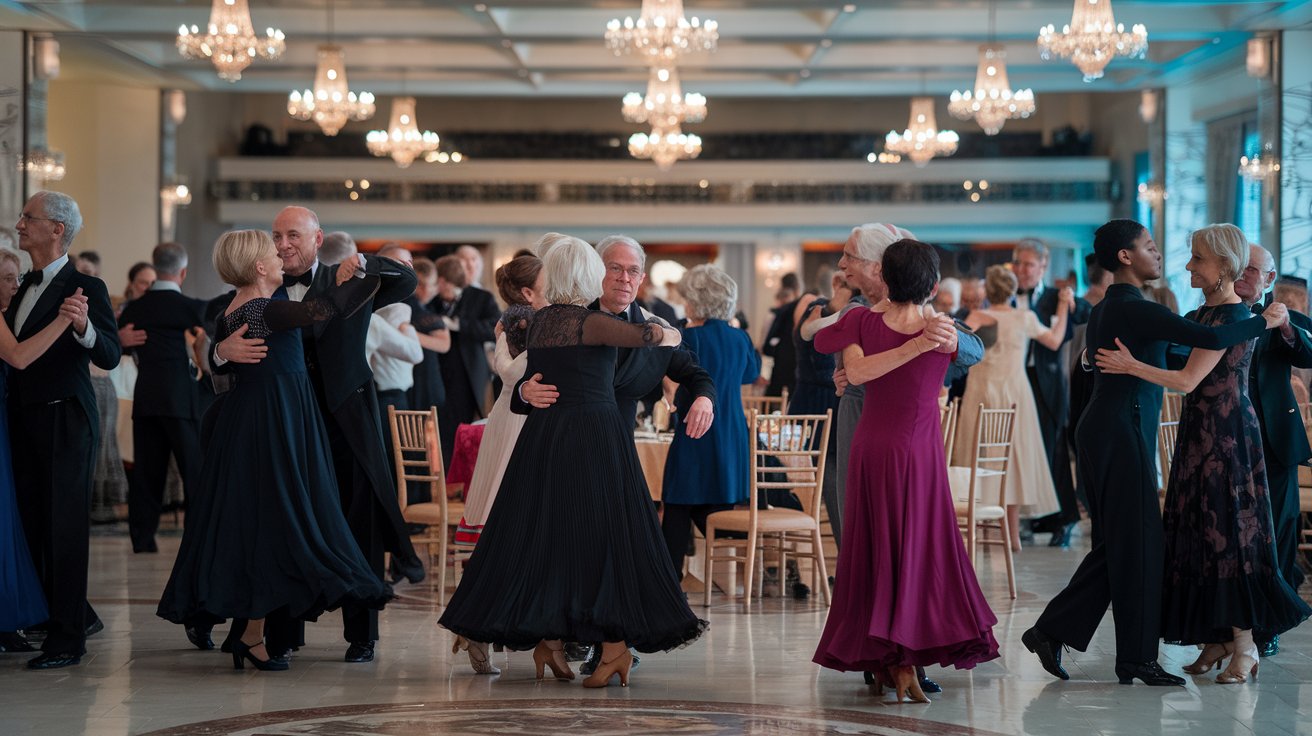
The Waltz offers the easiest introduction to ballroom dancing with its straightforward 3/4 time signature and box step pattern. This classic dance requires partners to master a six-step sequence that forms a box shape on the floor, with the characteristic rise-and-fall motion creating the elegant floating appearance. Beginners appreciate the predictable pattern, slower tempo compared to other ballroom styles, and the romantic atmosphere it creates for weddings and formal events.
Learning the basic Waltz step by step involves understanding weight transfer, frame positioning, and musical timing to classic compositions and contemporary ballads. In 2026, wedding dance instructors across the United States report that 85% of engaged couples choose Waltz for their first dance lessons, with most achieving presentable performance quality within 4-6 private sessions. The dance’s forgiving nature allows subtle mistakes to remain invisible to observers, reducing performance anxiety for special occasions.
Beginner K-Pop Choreography: Trending Global Styles
K-Pop dance represents the easiest contemporary choreography to learn for younger beginners who enjoy Asian pop culture and energetic music. While professional K-Pop routines appear complex, many groups release simplified versions specifically designed for fan covers and social media recreation. Popular groups like BTS, BLACKPINK, and NewJeans create point choreography featuring signature moves that become viral trends, allowing beginners to learn recognizable segments without mastering entire routines.
The advantage of learning K-Pop dance at home includes abundant free tutorials, mirrored practice videos, and global online communities that provide encouragement and feedback. Platforms like YouTube feature slowed-down tutorials breaking movements into detailed counts, while TikTok showcases millions of cover videos demonstrating various skill levels. Beginners can start with chorus sections lasting 15-30 seconds, building stamina and coordination before attempting full routines, making this the easiest K-Pop dance to learn for newcomers in 2026.
Swing Dance: Vintage Fun With Modern Appeal
Swing dance provides an accessible entry point into vintage dance styles with its energetic music and social atmosphere. Basic East Coast Swing uses a simple six-count pattern (rock-step, triple-step, triple-step) that beginners can learn within a single lesson. The dance’s upbeat tempo and playful nature create an enjoyable learning experience, while the strong community of Swing dancers across American cities provides welcoming environments for practice and social dancing.
The beginner appeal of Swing dancing in 2026 includes its versatility across music genres, from traditional big band jazz to modern rock and pop songs. Classes are widely available through community centers, dance studios, and university clubs, with monthly social dances hosting beginners’ workshops before open dancing begins. The lead-follow connection develops naturally through practice, and the improvisational elements mean dancers can express personality within the structured framework, making mistakes part of the creative process rather than failures.
How to Get Started Learning Dance at Home in 2026
Starting your dance journey at home requires minimal equipment and smart resource selection. Most beginners need only comfortable clothing, supportive athletic shoes, a smartphone or computer for tutorial access, and a clear space of approximately 6×8 feet. The explosion of digital dance education in 2026 provides unprecedented access to professional instruction through subscription platforms, free YouTube channels, and specialized apps offering structured progression from absolute beginner to intermediate levels.
Creating a successful home practice routine involves scheduling consistent practice sessions of 20-30 minutes, three to four times weekly. This frequency allows muscle memory development without overwhelming your body or schedule. Begin each session with 5-10 minutes of light stretching and warm-up movements, then focus on mastering single 8-count sections before combining them into longer sequences. Recording your practice sessions helps identify areas for improvement and tracks visible progress over weeks and months.
Benefits of Starting With Easy Dance Styles
Beginning with the easiest dance styles builds foundational skills that transfer to more complex forms later in your dance education. Simple choreography develops essential elements like rhythm recognition, spatial awareness, weight transfer, and body isolation without overwhelming cognitive processing. This progressive approach prevents injury, reduces frustration, and creates early success experiences that maintain motivation through the challenging early learning phases.
The physical and mental benefits of beginner dance extend beyond skill acquisition to comprehensive wellness improvements. Regular dance practice improves cardiovascular health, burning 200-600 calories per hour depending on intensity and style. Studies from the American Council on Exercise in 2026 show that dance participants demonstrate better balance, coordination, and bone density compared to sedentary peers, while also reporting reduced anxiety levels and improved social confidence through regular class attendance or group practice sessions.
Essential Tips for New Dancers Learning Their First Style
New dancers should prioritize consistency over intensity when establishing practice habits. Learning dance requires neuromuscular adaptation as your brain creates new pathways for movement patterns, a process that happens more effectively through regular brief sessions than sporadic lengthy practices. Experts recommend 20-30 minute sessions four times weekly over single 2-hour marathon sessions, allowing adequate rest for physical recovery and mental processing between practices.
Selecting appropriate music tempo accelerates learning for beginners. Most instructors recommend practicing new choreography at 75-80% of performance speed initially, using apps or software to slow down tracks while maintaining pitch. This approach allows you to focus on precise foot placement, weight transfer, and timing without rushing through movements. Gradually increase tempo by 5-10% weekly as muscle memory solidifies, reaching full speed only after you can execute movements accurately at slower paces.
Common Mistakes Beginners Make When Learning Dance
The most common error involves attempting choreography beyond current skill level, leading to frustration and potential injury. Beginners often see impressive routines on social media and attempt to replicate complex movements without mastering foundational techniques. This approach creates bad habits, muscle strain, and discouragement when progress stalls. Professional instructors emphasize that authentic dance skill develops through progressive complexity, starting with basic steps and gradually adding styling, speed, and intricate patterns over months of practice.
Another critical mistake includes neglecting proper warm-up and cool-down routines, particularly among home learners without instructor supervision. Dance places unique demands on muscles, joints, and connective tissues that aren’t activated in daily activities. Beginning practice sessions with 5-10 minutes of dynamic stretching, light cardio, and joint mobilization reduces injury risk by up to 60% according to 2026 sports medicine research. Similarly, ending sessions with static stretching and gentle movement aids recovery and maintains flexibility for long-term dance health.
Best Resources for Learning Dance Step by Step
Premium online dance platforms revolutionized home learning by 2026, offering structured curricula that rival in-person instruction. Subscription services like STEEZY Studio, CLI Studios, and DancePlug provide professionally filmed classes with multiple camera angles, slow-motion breakdowns, and progress tracking features. These platforms organize content by skill level, allowing beginners to follow logical progressions from foundational techniques through intermediate choreography across multiple dance styles.
Free resources remain valuable for budget-conscious beginners exploring different styles before committing to paid instruction. YouTube channels like Matt Steffanina, MihranTV, and 1MILLION Dance Studio upload detailed tutorials with millions of views, breaking down popular choreography into manageable sections. TikTok features hashtags like #dancetutorial and #beginnerdance with thousands of short-form lessons perfect for learning viral routines. Local community centers, libraries, and parks departments across the United States often offer free or low-cost beginner classes, providing in-person feedback and social connection that enhances home practice.
Understanding Dance Terminology for Beginners
Learning basic dance vocabulary accelerates your education by enabling clear communication with instructors and comprehension of written choreography. Essential terms include counts (the numerical framework organizing movements), levels (high, medium, low body positions), and facings (the direction your body points). Understanding these foundational concepts allows you to follow along with tutorials, attend classes confidently, and practice independently using written choreography notes or video descriptions.
Genre-specific terminology varies across different dance styles, with Hip Hop using terms like groove, bounce, and isolation, while ballroom employs words like frame, lead, and promenade. Beginners should learn terminology relevant to their chosen style, using online glossaries and instructor explanations to build vocabulary alongside physical skills. Most comprehensive tutorials include terminology explanations within instruction, but maintaining a personal reference list of new terms and their meanings reinforces learning and serves as a valuable study tool throughout your dance education journey.
Setting Realistic Goals for Your Dance Learning Journey
Effective goal-setting requires understanding realistic timelines for skill development in dance education. Complete beginners should expect 3-6 months of consistent practice to achieve comfortable competence in basic patterns of their chosen style, with true confidence and styling emerging after 6-12 months. Advanced techniques, improvisation skills, and the ability to learn choreography quickly typically develop after 1-2 years of regular practice, though individual timelines vary based on prior movement experience, natural coordination, and practice frequency.
Creating measurable milestones maintains motivation through the sometimes-frustrating early learning phases. Instead of vague goals like “get better at dancing,” set specific targets such as “master the basic 8-count Hip Hop routine by March 15th” or “attend one social dance event monthly for six months.” Track progress through video recordings made monthly, noting improvements in timing, confidence, and movement quality. Celebrate small victories like completing your first class, learning a full song’s choreography, or receiving positive feedback from instructors or fellow dancers to maintain enthusiasm through inevitable plateaus.
Related video about easiest dance to learn
This video complements the article information with a practical visual demonstration.
Key Questions and Answers
What is the absolute easiest dance to learn for someone with no experience?
The Two-Step represents the easiest dance for complete beginners, requiring only a simple quick-quick-slow-slow rhythm pattern with minimal footwork. Most people master the basic box step within 60-90 minutes, making it ideal for weddings and social events. For solo learners, basic Hip Hop moves like the Bounce or Step-Touch offer the simplest at-home option, as they require no partner and can be practiced in small spaces using free online tutorials available on YouTube and TikTok in 2026.
How long does it take to learn basic dance moves as a beginner?
Most beginners can learn foundational patterns of simple dances within 1-3 practice sessions of 60-90 minutes each. However, developing smooth execution, musical timing, and confident performance typically requires 3-6 months of consistent practice at 20-30 minutes per session, three to four times weekly. Individual timelines vary based on prior athletic experience, natural coordination, and practice quality. Setting realistic expectations prevents frustration, as dance skill develops progressively through muscle memory formation rather than instant mastery of complex choreography.
Can I effectively learn to dance at home without taking classes?
Yes, home learning is highly effective in 2026 thanks to professional online platforms like STEEZY Studio and abundant free YouTube tutorials. Successful home learners combine video instruction with regular practice, recording themselves to identify improvement areas, and occasionally attending drop-in classes or workshops for professional feedback. The key involves selecting structured programs that teach foundational techniques before complex choreography, practicing consistently rather than sporadically, and being patient with the learning process as your body develops new movement patterns and muscle memory.
Which dance style burns the most calories for beginners?
Hip Hop and Salsa offer the highest calorie burn for beginners, with energetic sessions burning approximately 400-500 calories per hour depending on intensity and body weight. These styles involve continuous movement, level changes, and cardiovascular engagement that elevates heart rate effectively. Line dancing and Swing provide moderate calorie burn of 250-350 calories per hour, while slower styles like Waltz burn 150-250 calories hourly. For fitness-focused beginners, selecting upbeat dance styles with consistent movement patterns maximizes cardiovascular benefits while developing coordination and musical rhythm simultaneously.
Do I need special shoes or equipment to start learning dance?
Most beginner dance styles require only comfortable athletic shoes with good support and flexible clothing that allows full range of motion. Avoid shoes with heavy tread that can catch on floors, opting instead for clean sneakers or dedicated dance sneakers available for 40-80 dollars in 2026. Hip Hop and contemporary styles often practice barefoot or in socks on appropriate flooring. Partner dances like Salsa or Swing benefit from smooth-soled shoes that allow pivoting, though beginners can start in regular sneakers until committing to the style long-term.
Is it better to learn one dance style completely before trying others?
Dance educators recommend focusing on one primary style for at least 3-6 months to build foundational skills like rhythm recognition, body awareness, and basic technique before diversifying. However, occasionally sampling other styles through workshops or single classes can enhance overall movement vocabulary and prevent boredom during early learning phases. Once you achieve comfortable competence in your primary style, adding complementary styles enriches your dance education, as skills transfer between genres and cross-training prevents plateaus while maintaining long-term motivation and engagement with dance practice.
| Dance Style | Learning Timeline | Best For | Primary Benefit |
|---|---|---|---|
| Two-Step | 1-2 sessions for basics | Social events and weddings | Simplest partner dance |
| Hip Hop | 2-3 weeks for routine | Solo home practice | Contemporary music and fitness |
| Salsa | 3-6 months for confidence | Social connection | Cardio and community |
| Line Dancing | 1 session for popular dances | Group settings | No partner pressure |
| Waltz | 4-6 sessions for events | Formal occasions | Classic elegance |
| K-Pop | 2-4 weeks for chorus | Pop culture fans | Viral trending routines |
| Swing | 1-2 months for basics | Vintage music lovers | Energetic social dancing |