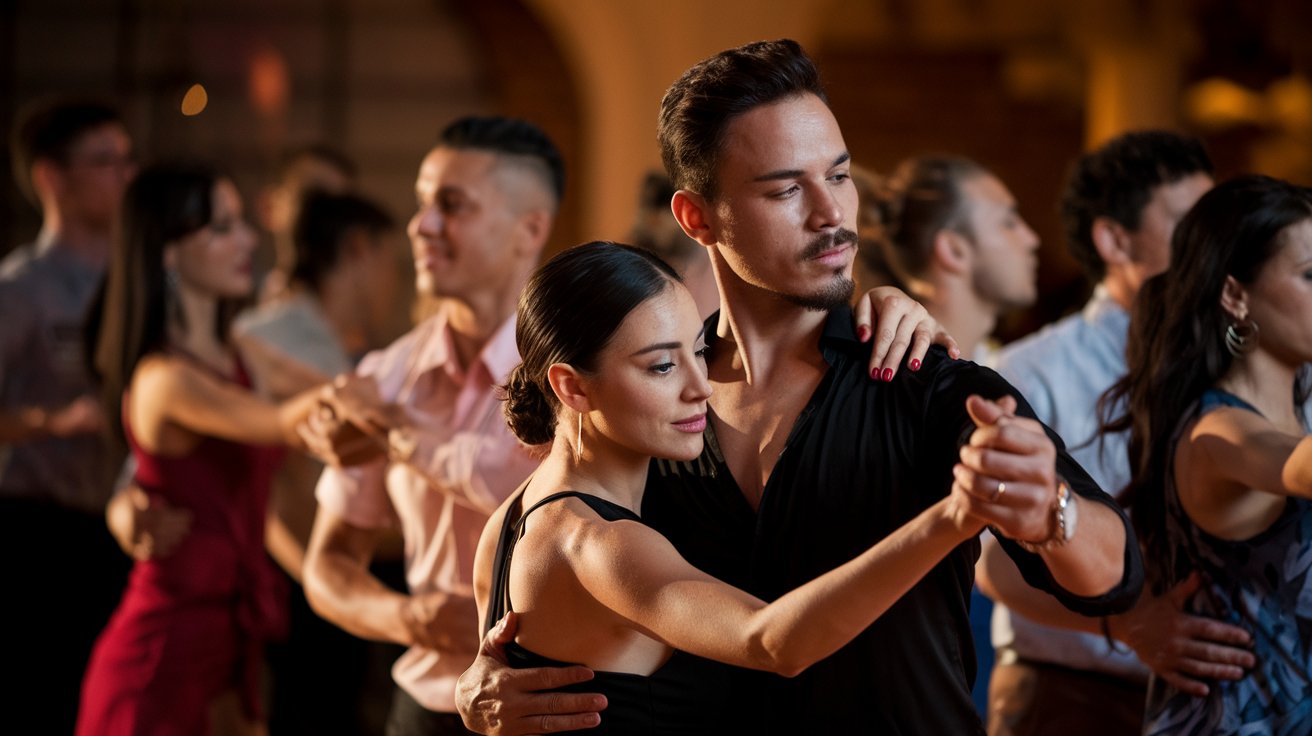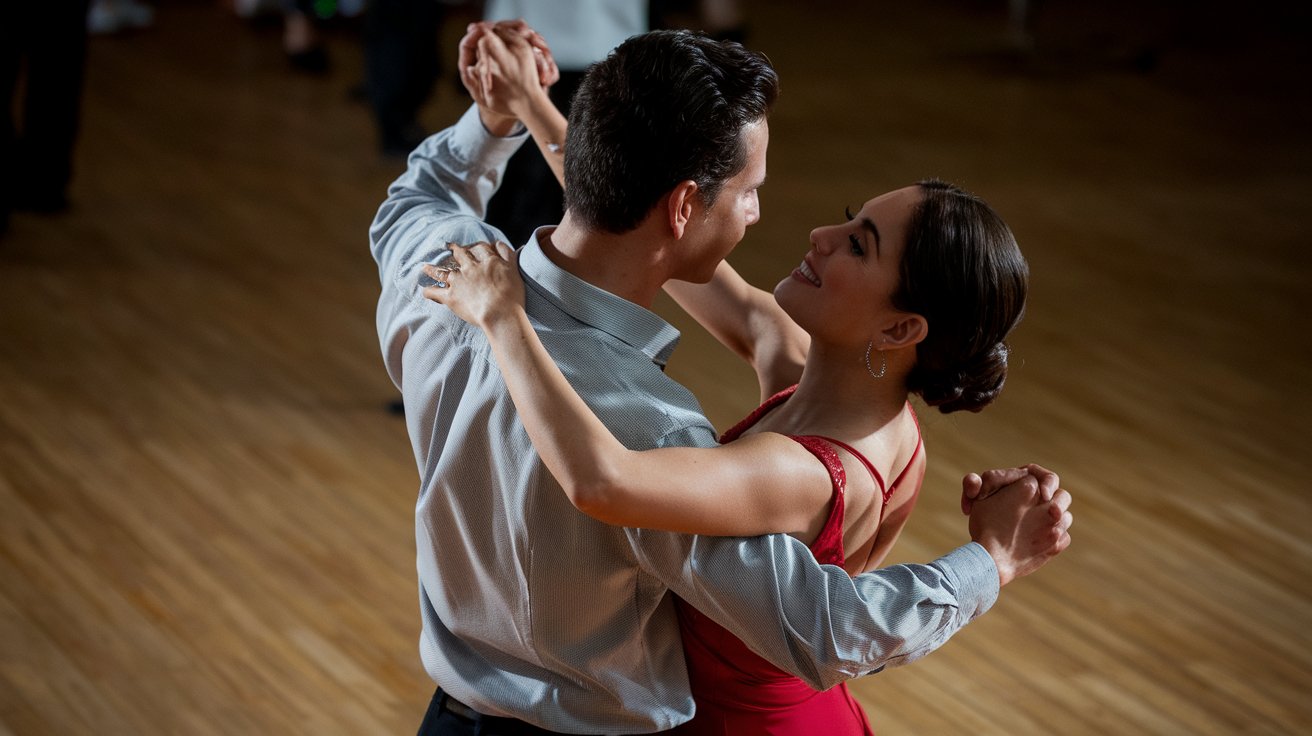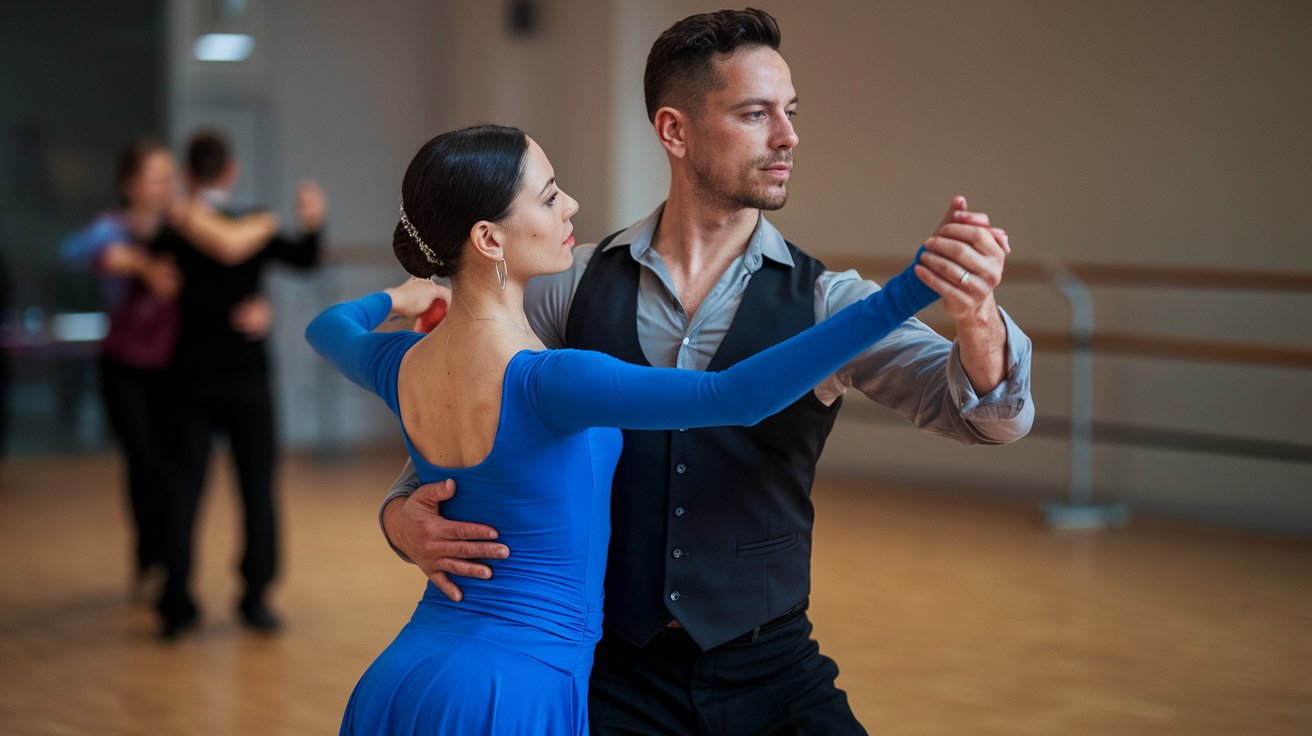
Understanding the difference between salsa and bachata is essential for anyone interested in exploring Latin dance in the United States. While both originated in the Caribbean and share Latin roots, these dance styles differ significantly in rhythm, tempo, partner connection, and body movement. Salsa features faster, more complex footwork with an energetic 4/4 time signature, while bachata emphasizes romantic closeness with slower, simpler steps and distinctive hip movements. This comprehensive guide breaks down every aspect to help you choose which dance suits your style.
What Is Salsa Dance
Salsa dance is a vibrant, energetic Latin dance style that originated in New York City during the 1960s and 1970s, blending Cuban son, mambo, and Puerto Rican influences. The salsa rhythm follows an 8-count pattern with music typically played at 150-250 beats per minute, making it one of the faster Latin dances. In 2026, over 12 million Americans participate in salsa dancing regularly, with major hubs in New York, Los Angeles, Miami, and Chicago.
The dance features quick, intricate footwork with partners maintaining a moderate distance apart, allowing for spins, turns, and complex arm patterns. Salsa emphasizes individual expression within partnered dancing, with dancers often breaking apart to perform solo shine sequences. The musical foundation includes congas, timbales, trumpets, and piano, creating the distinctive salsa sound that drives the energetic movement patterns characteristic of this dance style.
What Is Bachata Dance
Bachata dance originated in the Dominican Republic during the early 1960s in rural neighborhoods, initially considered music of the lower class before gaining international recognition in the 1990s. The bachata rhythm follows a simple 4/4 time signature with music played at 120-150 beats per minute, significantly slower than salsa. Modern bachata has evolved into several styles including Dominican, traditional, sensual, and urban bachata variations popular across United States dance communities.
The dance features a basic side-to-side or box step pattern with a distinctive hip movement on the fourth beat, creating the signature bachata hip motion. Partners dance in much closer proximity than salsa, with chest-to-chest or close embrace positions common, especially in sensual bachata styles. The musical instrumentation centers around guitar-driven melodies with bongos and bass, producing romantic, melancholic sounds that complement the intimate, smooth movements. Current statistics show bachata classes have grown 35% in United States dance studios since 2024.
Rhythm and Musical Timing Differences
The rhythm difference between salsa and bachata represents one of the most fundamental distinctions between these Latin dances. Salsa operates on an 8-count musical structure with dancers stepping on counts 1-2-3, pause on 4, then 5-6-7, pause on 8, creating syncopated patterns that align with the complex percussion layers. Bachata uses a simpler 4-count pattern where dancers step on each of the four beats, with the fourth beat featuring the characteristic hip lift or tap that defines the dance’s identity.
Salsa music features polyrhythmic complexity with multiple percussion instruments playing interlocking patterns, requiring dancers to find and maintain the clave rhythm while executing footwork. The tempo ranges from 150-250 BPM, demanding quick reflexes and agility. Conversely, bachata’s straightforward rhythm makes it more accessible for beginners, with each beat clearly marked by the guitar-driven melody at 120-150 BPM. The simplicity allows dancers to focus on connection, body movement, and styling rather than complex timing, making bachata the preferred starting point for 68% of new Latin dance students in 2026.
Partner Distance and Connection Styles
One of the most noticeable differences between salsa and bachata involves the physical distance and connection type between partners. Salsa typically maintains an open position with partners connected primarily through hand holds, keeping approximately 12-18 inches of space between bodies during basic patterns. This open frame allows for complex turn patterns, cross-body leads, and the intricate arm styling that characterizes salsa dancing. Leaders and followers communicate through hand pressure and arm tension rather than full-body contact.
Bachata emphasizes close partner connection throughout most of the dance, with partners often in full body contact or very close embrace positions, especially in modern sensual and urban bachata styles. The close proximity in bachata allows for subtle body lead communication, with leaders guiding through torso, hip, and leg movements rather than arm signals. This intimacy creates the romantic, sensual quality that defines bachata and makes it particularly popular among couples. Traditional Dominican bachata maintains slightly more distance than modern styles, but still features closer connection than salsa throughout the dance progression.
Body Movement and Hip Motion
The body movement differences between these Latin dances significantly impact their visual appearance and physical demands. Salsa features more vertical, upright posture with minimal isolated hip movement, instead emphasizing footwork precision, shoulder movement, and arm styling. The energy in salsa remains high and distributed throughout the entire body, with quick weight transfers and constant motion that creates the dance’s dynamic, energetic character. Core engagement focuses on maintaining balance during rapid turns and direction changes.
Bachata showcases distinctive hip movement as a central element, with the characteristic hip lift, pop, or circular motion occurring on the fourth beat of every measure. This signature bachata hip motion requires isolated control of the hip and core muscles while maintaining a relaxed upper body. Modern sensual bachata has expanded body movement vocabulary to include body rolls, waves, isolations, and dips that salsa typically doesn’t incorporate. The slower tempo allows dancers to explore fluid, controlled movements that emphasize sensuality over speed, making bachata body movement more accessible for beginners while offering advanced dancers opportunities for creative expression.
Footwork Complexity and Patterns
Salsa footwork involves more complex patterns with numerous variations including basic forward-back, side-to-side, cross-body leads, and intricate turn combinations. Dancers execute quick weight changes, syncopated steps, and shine sequences that showcase individual footwork skills. The complexity of salsa patterns requires significant practice to master timing, especially when navigating crowded social dance floors while maintaining musicality. Advanced salsa dancers incorporate shines with intricate foot patterns performed solo while maintaining connection with partners.
In contrast, bachata footwork remains relatively simple with the basic step pattern consisting of three steps followed by a tap or hip lift. The fundamental side-to-side or box step pattern forms the foundation for virtually all bachata dancing, with variations adding turns, crosses, or direction changes rather than fundamentally different foot patterns. This simplicity in bachata footwork allows beginners to focus on connection, musicality, and styling within weeks of starting lessons. Survey data from United States dance studios in 2026 shows students typically master basic bachata patterns in 4-6 weeks compared to 12-16 weeks for salsa fundamentals.
Cultural Origins and Evolution
The cultural backgrounds of salsa and bachata reflect distinct Caribbean histories and social contexts. Salsa emerged from New York City’s Puerto Rican and Cuban communities in the 1960s-1970s, representing a fusion of Cuban son montuno, mambo, cha-cha-cha, and Puerto Rican bomba and plena rhythms. The salsa movement became a symbol of Latino cultural identity in the United States, spreading globally through Fania Records and legendary artists like Celia Cruz, Héctor Lavoe, and Willie Colón. Today, salsa encompasses multiple styles including Cuban salsa, New York style (On2), Los Angeles style (On1), and Colombian salsa.
Bachata originated in the Dominican Republic during the early 1960s in rural, working-class communities, initially stigmatized as música de amargue (music of bitterness). The genre gained respectability and international recognition in the 1990s through artists like Juan Luis Guerra and Aventura. Bachata’s evolution accelerated dramatically in the 2000s with the development of modern and sensual styles in Europe and North America, transforming it from a simple folk dance into a globally popular social dance. The Dominican Republic formally recognized bachata as cultural heritage in 2019, and UNESCO included it in the Representative List of the Intangible Cultural Heritage of Humanity in 2023.
Salsa vs Bachata: Which Is Easier to Learn
For most beginners, bachata is significantly easier to learn than salsa due to its simpler rhythm, straightforward footwork, and slower tempo. The basic bachata step consists of just three steps and a tap on a clear 4/4 beat, allowing new dancers to achieve competence in basic social dancing within 4-6 weeks of regular practice. The accessibility of bachata makes it the recommended starting point for 73% of dance instructors surveyed across United States studios in 2026, particularly for students with no prior dance experience.
Salsa presents a steeper learning curve with its 8-count timing, syncopated patterns, and faster tempo requiring more coordination, musicality training, and practice time. New salsa dancers typically need 12-16 weeks to feel comfortable with basic patterns and social dancing. However, the complexity of salsa offers greater long-term challenge and variety, with endless combinations of footwork, turn patterns, and styling options that keep advanced dancers engaged for years. Many dancers ultimately learn both styles, starting with bachata to build confidence and foundational partner skills before progressing to salsa’s more demanding technical requirements.
Music and Song Structure Comparison
Salsa music features complex instrumental arrangements with multiple layers including piano montuno patterns, brass sections with trumpets and trombones, congas, bongos, timbales, bass, and vocals. The music typically includes instrumental solos, call-and-response vocal sections, and dynamic tempo changes that challenge dancers to maintain timing and musicality. Salsa songs often extend 4-6 minutes with multiple sections including introduction, verse, chorus, mambo instrumental sections, and coda, providing opportunities for varied dancing and improvisation throughout the song’s progression.
Bachata songs center around guitar melodies with simpler instrumentation including lead and rhythm guitar, bass, bongos, and güira creating the distinctive bachata sound. Modern bachata has incorporated electric guitar, synthesizers, and urban music influences, expanding the genre’s sonic palette. Bachata music structure typically follows standard verse-chorus format lasting 3-4 minutes with consistent tempo and minimal complexity, making it easier for dancers to predict musical phrasing and plan movements. The romantic, often melancholic lyrics focus on themes of love, heartbreak, and longing, complementing the intimate, emotional quality of bachata dancing prevalent in 2026 social dance venues.
Social Dancing and Event Atmosphere
Salsa social dancing creates high-energy atmospheres with fast-paced music, frequent partner rotations, and dynamic floor movement. Salsa clubs and congresses in major United States cities feature live bands, DJ sets with classic and modern salsa tracks, and performances by professional teams. The salsa social scene emphasizes community, with dancers at all levels mixing on the floor and experienced dancers expected to dance with beginners as part of the culture. Dress codes typically lean toward stylish, colorful attire with comfortable dance shoes, and events often continue past midnight with multiple rooms featuring different salsa styles.
Bachata socials offer more intimate, relaxed environments compared to salsa events, though modern bachata parties have become increasingly popular and energetic. Many venues now host combined salsa and bachata nights, alternating between styles to accommodate dancers who enjoy both. Bachata events feature dimmer lighting, slower tempo music, and longer dance sets between partners due to the romantic nature of the dance. The United States bachata scene has grown 45% since 2024, with dedicated bachata festivals, workshops, and congresses now occurring monthly in major metropolitan areas including Miami, Los Angeles, New York, Houston, and Atlanta.
Differences Between Salsa, Bachata, and Merengue
While salsa and bachata represent the most popular Latin partner dances in the United States, merengue completes the trio of Caribbean dances taught in most studios. Merengue originated in the Dominican Republic alongside bachata but features a faster 2/4 march-like rhythm at 120-170 BPM with the simplest footwork of all three styles—a basic marching step alternating feet on each beat. Merengue maintains moderate partner distance similar to salsa but requires minimal hip movement and features simpler turn patterns than either salsa or bachata.
The key distinction between these three Latin dances lies in their rhythmic complexity and movement emphasis: salsa demands the most intricate footwork and fastest tempo, bachata emphasizes hip movement and close connection at moderate tempo, while merengue offers the most accessible entry point with simple marching steps and straightforward rhythms. Many Latin dance beginners learn all three progressively, starting with merengue basics in their first week, advancing to bachata within the first month, and tackling salsa after building fundamental partner skills. Current enrollment data shows 82% of Latin dance students in United States studios learn at least two of these three styles within their first year.
Should You Learn Salsa or Bachata First
The decision of whether to learn salsa or bachata first depends on your personal goals, musical preferences, and learning style. Dance instructors recommend starting with bachata if you’re completely new to partner dancing, have limited coordination or rhythm experience, or want to achieve social dancing competence quickly. Bachata’s simpler structure builds foundational skills in leading/following, musicality, and partner connection without overwhelming technical demands. Starting with bachata allows you to experience success and enjoyment on the dance floor within weeks, building confidence that transfers to more complex styles.
However, starting with salsa makes sense if you’re drawn to its energetic music, already have dance experience from other styles, or thrive on technical challenges that provide long-term engagement. Salsa’s complexity means early progress feels slower, but the skills developed—quick footwork, timing precision, and complex pattern recognition—create strong technical foundations. Many successful dancers report that learning both simultaneously provides optimal results, with bachata classes offering easier wins while salsa classes develop technical skills. Survey data from 2026 shows 45% of Latin dance students now take both salsa and bachata lessons concurrently, cross-applying skills between styles and maximizing their social dancing versatility across diverse Latin music genres and venues.
Related video about difference between salsa and bachata
This video complements the article information with a practical visual demonstration.
What you should know
Is bachata easier than salsa?
Yes, bachata is significantly easier than salsa for most beginners. Bachata uses a simple 4-count basic step at slower tempos (120-150 BPM) compared to salsa’s complex 8-count patterns at faster speeds (150-250 BPM). New dancers typically achieve social dancing competence in bachata within 4-6 weeks, while salsa requires 12-16 weeks of regular practice. The straightforward rhythm and footwork in bachata allow beginners to focus on connection and styling rather than complex timing, making it the recommended starting point for 73% of dance instructors in United States studios.
What is sexier, salsa or bachata?
Bachata is generally considered the sexier dance due to its close partner connection, intimate body contact, and sensual hip movements that define the style. Modern sensual bachata incorporates body rolls, waves, and close embrace positions that emphasize romantic and sensual expression. Salsa maintains more physical distance between partners and focuses on energetic, dynamic movement rather than intimate connection. However, both dances can be sensual depending on the dancers’ interpretation, with advanced salsa incorporating styling that can be equally expressive and intimate within its more open frame structure.
Do Puerto Ricans dance salsa or bachata?
Puerto Ricans primarily dance salsa as it represents a core element of Puerto Rican cultural identity, with the island contributing significantly to salsa’s development in the 1960s-1970s through artists like Héctor Lavoe and Willie Colón. However, bachata has become increasingly popular in Puerto Rico since the 2000s, and modern Puerto Ricans typically learn and dance both styles. The Puerto Rican salsa scene remains vibrant with distinctive styling and timing preferences, particularly the emphasis on timing on the second beat (On2). Major cities like San Juan feature thriving social dance scenes where both salsa and bachata are danced regularly at clubs and social events throughout 2026.
What are the 5 Latin dances?
The five traditional Latin dances in ballroom competition are Cha-Cha, Samba, Rumba, Paso Doble, and Jive, which originated from various Latin American and European sources. However, in social Latin dancing contexts in the United States, the five most popular styles are Salsa, Bachata, Merengue, Cha-Cha, and Cumbia. These social Latin dances dominate dance studios, clubs, and festivals across American cities in 2026, with salsa and bachata representing the most widely practiced styles. Each dance features distinct rhythms, origins, and movement characteristics, but all share Latin musical roots and partner dancing frameworks that emphasize connection and musicality.
Can you dance bachata to salsa music?
While technically possible, dancing bachata to salsa music is not recommended as the rhythms, timing, and musical structures differ fundamentally. Salsa music operates on 8-count patterns at faster tempos with complex polyrhythmic percussion, while bachata follows simple 4-count patterns at slower speeds with guitar-driven melodies. The tempo difference alone—salsa at 150-250 BPM versus bachata at 120-150 BPM—makes the match awkward and musically inappropriate. However, some experienced dancers can adapt bachata movement to slower salsa songs or create fusion styling that incorporates elements of both dances, though this requires advanced musicality skills and understanding of both dance vocabularies.
How long does it take to learn salsa and bachata?
Learning basic social dancing competence in bachata typically takes 4-6 weeks of regular classes (2-3 times per week), allowing you to dance comfortably at social events with basic patterns and turns. Salsa requires 12-16 weeks to achieve similar basic competence due to its more complex timing, faster tempo, and intricate footwork patterns. However, true proficiency and advancement to intermediate levels requires 6-12 months of consistent practice for bachata and 12-18 months for salsa. Most dancers continue developing skills for years, with advanced styling, musicality, and complex patterns representing ongoing learning journeys. Current data from United States dance studios in 2026 shows students who practice both styles simultaneously progress 30% faster in overall Latin dance competency.
| Dance Aspect | Salsa | Bachata |
|---|---|---|
| Origin | New York City (1960s-70s), Cuban/Puerto Rican roots | Dominican Republic (1960s), rural origins |
| Tempo (BPM) | 150-250 BPM (Fast) | 120-150 BPM (Moderate) |
| Basic Timing | 8-count pattern (syncopated) | 4-count pattern (simple) |
| Partner Distance | Open frame, 12-18 inches apart | Close embrace, body contact |
| Hip Movement | Minimal, upright posture | Distinctive hip motion on beat 4 |
| Footwork Complexity | Complex, intricate patterns | Simple, repetitive basic steps |
| Learning Time | 12-16 weeks for basics | 4-6 weeks for basics |
| Music Style | Brass, piano, complex percussion | Guitar-driven, romantic melodies |
| Best For Beginners | Those seeking technical challenge | Complete beginners (73% recommended) |
| US Popularity (2026) | 12 million regular dancers | 45% growth since 2024 |