Merengue dance is a vibrant Latin dance originating from the Dominican Republic, characterized by a simple marching step and hip motion set to lively 2/4 time music. As one of the most accessible Latin dances for beginners in the United States, merengue combines rhythmic footwork with partner connection, making it a popular choice at social dance events, weddings, and ballroom studios across the country. This energetic Caribbean dance has evolved from its folk roots into both a social and competitive ballroom style enjoyed by millions of dancers nationwide.
Understanding Merengue Dance Origins and Cultural Significance
The merengue dance originated in the Dominican Republic during the mid-19th century, though its exact origins remain debated among historians. Some accounts trace it to enslaved Africans who were chained together and forced to drag one leg while cutting sugarcane, creating the characteristic limping step. Others attribute its development to wounded soldiers returning from battle who adapted their movements into dance. Regardless of origin, merengue became the national dance of the Dominican Republic in 1850 and represents a crucial element of Caribbean cultural identity.
By 2026, merengue has established itself as a cornerstone of Latin dance culture throughout the United States. The dance gained significant popularity in American ballroom studios during the 1980s and 1990s, particularly in cities with large Latino populations like New York, Miami, and Los Angeles. Today, approximately 2.3 million Americans participate in merengue dancing through social events, competitive ballroom dancing, and cultural festivals. The dance serves as both entertainment and cultural preservation, connecting Dominican-American communities to their heritage while introducing mainstream audiences to Caribbean rhythm and movement.
Basic Merengue Dance Steps and Technique
The fundamental merengue step pattern consists of a simple marching motion where dancers step from side to side, shifting weight on each beat of music. Unlike complex Latin dances requiring intricate footwork, merengue follows a basic step-together-step pattern that repeats continuously throughout the song. Dancers step with the left foot, bring the right foot to meet it, then step with the right foot and bring the left foot together, creating a steady marching rhythm. This straightforward pattern makes merengue the ideal first dance for beginners entering Latin dance instruction.
The distinctive hip motion in merengue dancing occurs naturally as dancers shift weight from one foot to the other. Unlike salsa or bachata where hip movement is isolated and emphasized, merengue hip action results from the natural weight transfer during the marching step. Dancers maintain a slight bend in the knees, allowing hips to sway smoothly as weight shifts. In 2026 ballroom instruction, teachers emphasize that authentic merengue hip movement should feel relaxed rather than forced, emerging organically from the step pattern rather than exaggerated motion.
Leading and Following Techniques for Partners
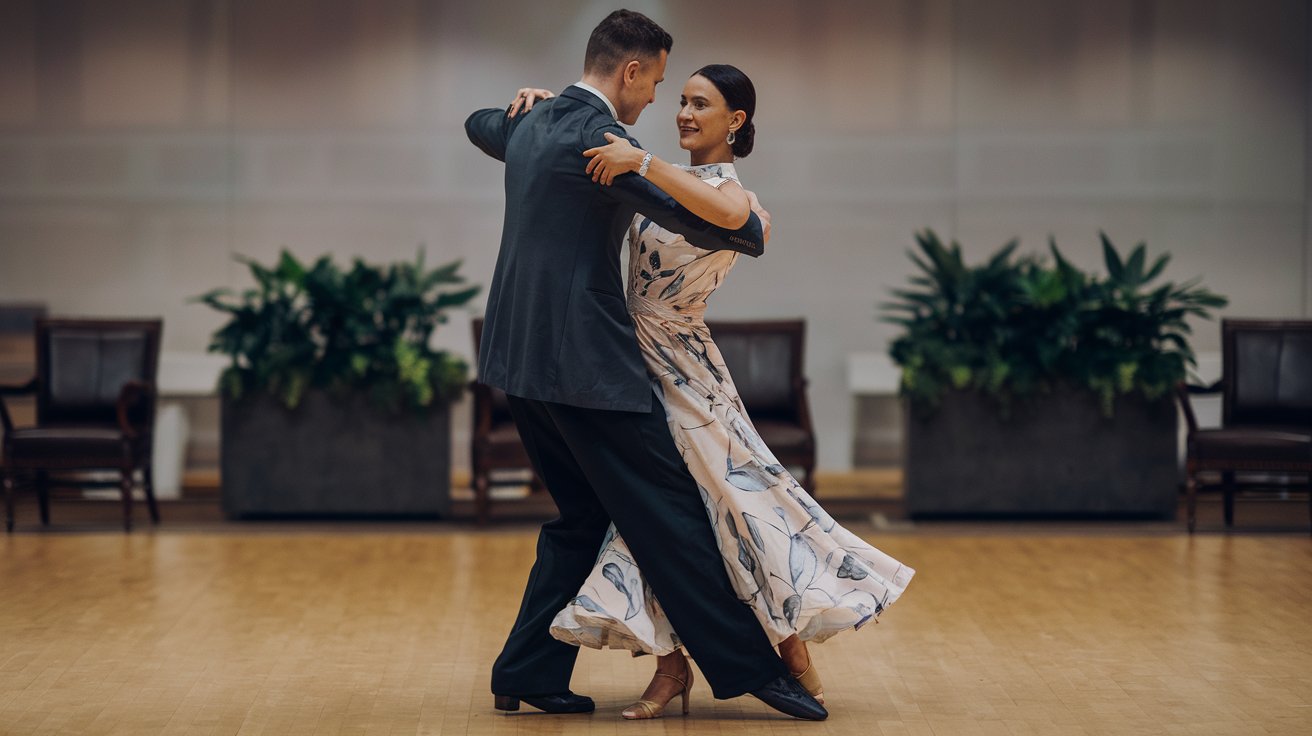
Partner connection in merengue dance requires clear lead-and-follow communication through a closed or open dance position. In closed position, the leader places their right hand on the follower’s left shoulder blade while the follower rests their left hand on the leader’s right shoulder. The free hands join at approximately shoulder height, creating a frame that facilitates turns and direction changes. Leaders use gentle pressure and directional cues through the frame to signal upcoming movements, while followers maintain receptive connection without anticipating. Current 2026 instruction emphasizes that effective merengue leading involves subtle body movement rather than pushing or pulling the partner.
Common Merengue Turn Patterns and Variations
Once dancers master the basic merengue step, turn patterns add variety and visual interest to social dancing. The underarm turn remains the most common variation, where leaders raise joined hands to create an arch for followers to turn beneath while both maintain the basic step pattern. The cross-body lead moves the follower from one side of the leader to the other, creating dynamic movement across the dance floor. More advanced dancers incorporate multiple turns, hand changes, and arm styling while maintaining the foundational marching rhythm. In competitive ballroom merengue as practiced in 2026, choreographers blend traditional patterns with contemporary styling, incorporating drops, dips, and synchronized footwork variations.
Merengue Dance Music Characteristics and Rhythm
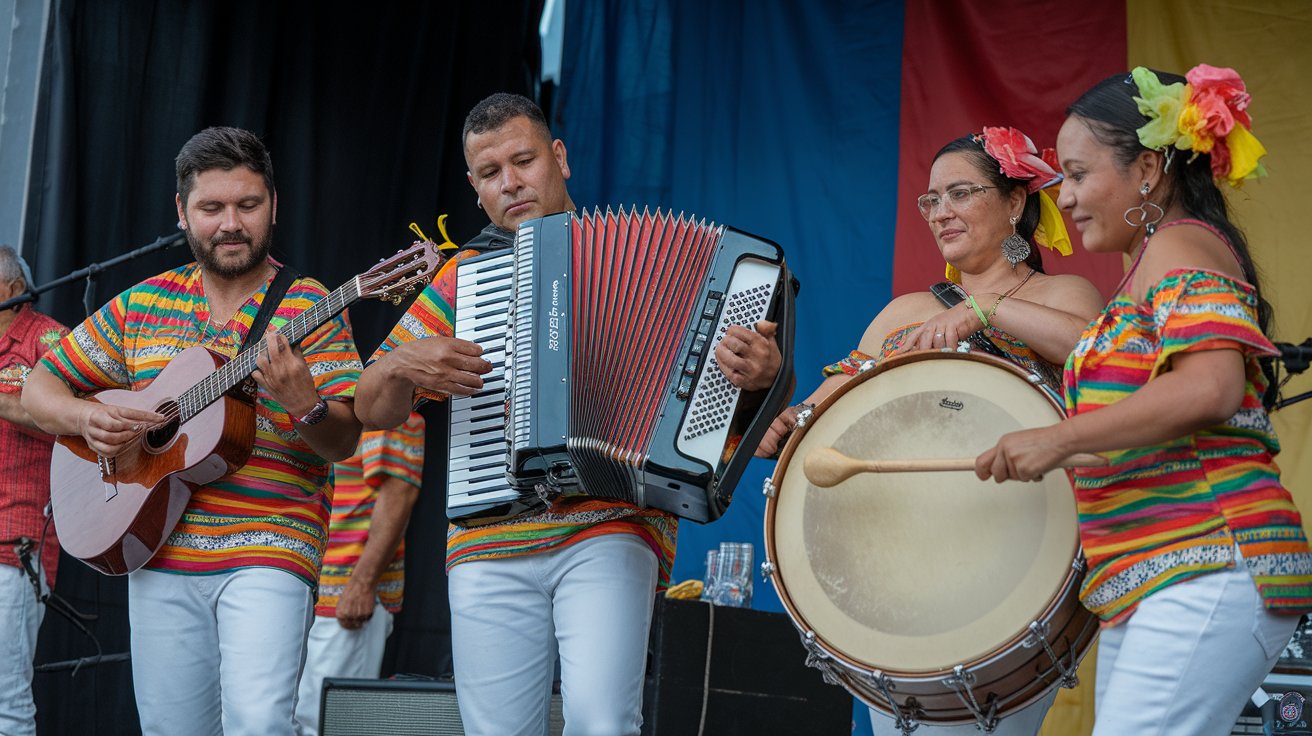
Merengue music features a distinctive 2/4 time signature with an emphasis on beats one and two, creating a quick, marching rhythm typically played at 120-170 beats per minute. Traditional merengue instrumentation includes the accordion (influenced by European immigrants), tambora (a two-headed drum), güira (a metal scraper), and bass. The güira’s characteristic scraping sound provides the steady rhythmic backbone that drives merengue dancing, while the tambora adds syncopated accents. Modern merengue recordings incorporate electronic instruments, synthesizers, and contemporary production techniques while maintaining the fundamental rhythmic structure.
Popular merengue artists in the United States during 2026 include both classic performers and contemporary fusion artists. Traditional artists like Juan Luis Guerra, Wilfrido Vargas, and Johnny Ventura remain favorites at dance events, while newer acts blend merengue with urban genres like reggaeton and hip-hop. Streaming data from 2026 shows that merengue music generates over 450 million streams annually on major platforms in the United States, with particular popularity among listeners aged 25-54. Dance studios recommend songs with clear, steady beats for beginners, progressing to faster, more complex arrangements as dancers develop proficiency.
How Merengue Differs from Salsa and Other Latin Dances
The primary difference between merengue and salsa lies in rhythm, complexity, and step pattern. Merengue uses a straightforward 2/4 time signature with a simple marching step, while salsa employs 4/4 time with a more complex basic step incorporating a pause or tap. Salsa dancing requires dancers to break on different beats (depending on style), master intricate turn patterns, and develop precise footwork, making it considerably more challenging for beginners. Merengue’s accessible nature allows new dancers to successfully partner dance within their first lesson, whereas salsa typically requires several weeks of instruction before dancers feel comfortable socially.
Compared to bachata, another Dominican dance, merengue maintains constant motion without the pause characteristic of bachata’s basic step. Bachata emphasizes romantic, close partner connection with significant hip movement, while merengue allows more space between partners and focuses on energetic, continuous movement across the dance floor. In United States dance studios as of 2026, instructors often teach merengue first as a foundation before progressing students to salsa or bachata, using it to develop partner connection skills, musical timing, and confidence. The dance’s forgiving nature and adaptable speed make it ideal for mixed-ability social dancing at weddings and community events.
Merengue Dance Attire and Dress Code Expectations
The dress code for merengue dancing varies significantly based on setting and formality level. For social dancing at clubs or community events, dancers typically wear comfortable clothing that allows freedom of movement—women often choose fitted tops with flowing skirts or dance pants, while men wear dress shirts or guayaberas with slacks. Footwear selection prioritizes smooth-soled shoes that enable pivoting and turning on dance floors; women generally opt for Latin dance heels with ankle straps (2-3 inch heels being most common), while men choose leather-soled dress shoes or specialized dance shoes with suede bottoms.
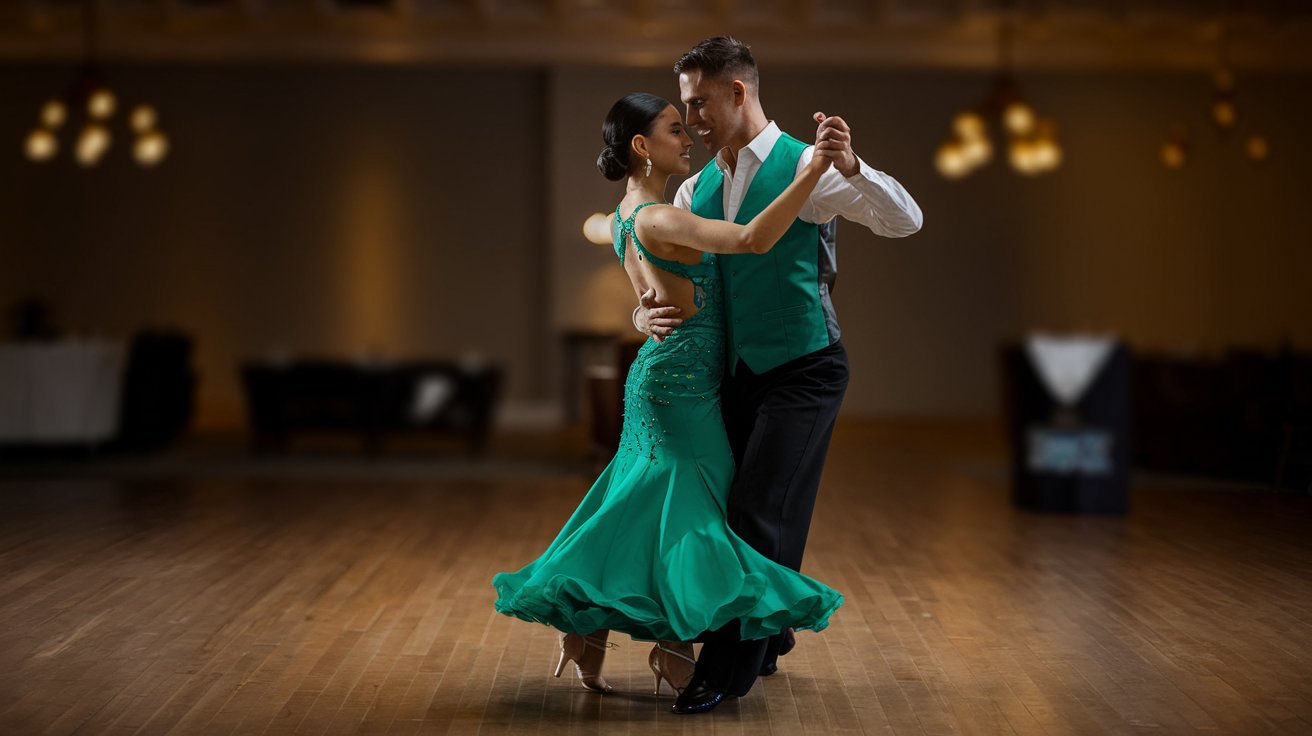
For competitive ballroom merengue in 2026, costume requirements follow strict International Latin dress codes. Female competitors wear elaborate costumes featuring rhinestones, fringe, and flowing fabrics designed to accentuate movement and hip action. These performance outfits typically cost between $800-$3,500 depending on customization and embellishment level. Male competitors wear fitted Latin pants with dress shirts or specialty performance tops, often coordinating colors with their partners. At cultural festivals celebrating Dominican heritage, dancers frequently wear traditional Dominican folk costumes including peasant blouses, full skirts with ruffled layers for women, and white shirts with red sashes for men, connecting contemporary dance practice with historical cultural traditions.
Learning Merengue Dance: Beginner Resources in the United States
In 2026, merengue dance instruction is widely available through multiple channels across the United States. Traditional ballroom studios in major metropolitan areas offer group classes ranging from $15-$30 per session, with private lessons available at $75-$150 per hour depending on instructor credentials and location. Chain studios like Arthur Murray and Fred Astaire maintain standardized merengue curricula as part of their Latin dance programs, while independent instructors often provide more culturally authentic instruction rooted in Dominican dance traditions.
Digital learning platforms have revolutionized merengue dance education for American learners in recent years. Online subscription services offer video instruction for $20-$40 monthly, allowing students to learn basic patterns and styling from home before transitioning to partner practice. YouTube channels dedicated to Latin dance provide free basic instruction, though quality varies considerably. For structured progression, many dancers combine online learning with occasional private lessons to receive personalized feedback. Community centers in areas with significant Latino populations frequently offer affordable or free merengue classes as cultural programming, making the dance accessible regardless of economic background.
Solo Practice Techniques for Merengue Dancers
Dancers can effectively practice merengue solo by focusing on footwork precision and hip motion without a partner. Solo practice should emphasize maintaining consistent rhythm while executing the basic step pattern, using music with clear beats to develop timing accuracy. Dancers can practice turns by holding a resistance band or towel to simulate partner connection, working through underarm turns and spot turns while maintaining the marching step. Recording practice sessions allows dancers to evaluate hip movement, posture, and arm styling, identifying areas needing improvement. In 2026, mobile apps specifically designed for Latin dance practice provide beat counters, slow-motion playback, and rhythm training exercises that support independent skill development.
Finding Merengue Dance Events and Social Opportunities
The merengue dance social scene in America thrives in cities with active Latin dance communities. Dedicated Latin nightclubs in New York, Miami, Los Angeles, Houston, and Chicago host weekly social dancing events where merengue appears alongside salsa and bachata. These venues typically charge $10-$25 cover and attract mixed-level dancers from beginners to professionals. Many events begin with a beginner lesson before transitioning to open dancing, allowing newcomers to learn basics before attempting social floor practice. Meetup.com groups dedicated to Latin dancing organize regular practice sessions, often in free or low-cost community spaces, fostering supportive environments for skill development.
Cultural festivals celebrating Dominican and Caribbean heritage provide opportunities to experience merengue in authentic cultural contexts throughout the year. The Dominican Day Parade in New York City, held annually in August, features live merengue performances and public dancing. Regional Latin festivals across the United States incorporate merengue dance competitions, workshops with professional instructors, and social dancing spanning multiple days. According to 2026 event data, over 300 Latin dance festivals occur annually across the country, with merengue featured prominently alongside other Caribbean and Latin American dances, providing both performance and participation opportunities for dancers at all levels.
Health and Fitness Benefits of Merengue Dancing
Merengue dancing provides substantial cardiovascular exercise while building lower body strength and improving balance. A 160-pound person burns approximately 350-400 calories per hour during moderate-intensity social merengue dancing, with competitive or performance-level dancing increasing expenditure to 500-600 calories hourly. The constant stepping motion strengthens quadriceps, hamstrings, and calf muscles while engaging core stabilizers to maintain posture and execute turns. Regular merengue practice improves cardiovascular endurance comparable to moderate jogging, with the added benefit of being lower-impact on joints due to the dance floor’s smooth surface and controlled movements.
Beyond physical fitness, merengue dancing supports cognitive health and social wellbeing according to research published in 2025-2026. Learning choreography and responding to partner leads requires active decision-making and spatial awareness, providing mental stimulation that research associates with reduced cognitive decline risk. The social nature of partner dancing combats isolation, with participants in regular dance classes reporting higher life satisfaction scores and lower depression rates compared to non-dancers. For older adults specifically, merengue’s moderate intensity and simple footwork make it accessible while still providing balance training that reduces fall risk. Physical therapists in 2026 increasingly recommend social Latin dancing as therapeutic exercise for patients recovering from injuries or managing chronic conditions like arthritis and diabetes.
Merengue Dance in American Popular Culture
Throughout the 1990s and 2000s, merengue gained mainstream American recognition through film, television, and popular music crossovers. Movies like “Dance with Me” (1998) featured merengue sequences that introduced the dance to non-Latino audiences, while reality competition shows including “Dancing with the Stars” periodically showcase merengue performances. Pop artists have incorporated merengue rhythms into crossover hits, with songs reaching mainstream radio playlists and introducing the distinctive güira rhythm to broader American audiences. This cultural integration has contributed to merengue’s position as one of the three most recognized Latin dances in the United States alongside salsa and tango.
In 2026, merengue maintains cultural relevance through social media platforms where dance challenges and instructional content reach millions of viewers. TikTok hashtags related to merengue dancing have accumulated over 180 million views, with creators posting both traditional partner dancing and contemporary solo interpretations. YouTube channels dedicated to Latin dance instruction generate significant engagement, with popular merengue tutorials receiving 500,000+ views. This digital presence attracts younger demographics to traditional merengue dancing, ensuring generational continuity while allowing the dance form to evolve through fusion with contemporary movement styles. Dance studios report that approximately 35% of new merengue students in 2026 discovered the dance through social media content, representing a significant shift in how Americans encounter and engage with Latin dance traditions.
Competitive Merengue Dancing and Performance Standards
Competitive ballroom merengue follows standardized criteria established by dance sport organizations including USA Dance and the National Dance Council of America. Judges evaluate technique, timing, choreography, musicality, and presentation during competitions ranging from local showcases to national championships. Competitors advance through proficiency levels from newcomer through bronze, silver, gold, and open divisions, with each level introducing increased technical requirements and performance expectations. In 2026, approximately 15,000 competitive dancers in the United States include merengue in their Latin ballroom repertoire, competing in events held year-round across the country.
Performance merengue choreography differs significantly from social dancing, incorporating theatrical elements, synchronized patterns, and advanced technical movements. Professional merengue performances feature multiple turns, lifts, and dramatic styling that showcase dancers’ athleticism and artistry while maintaining the fundamental rhythm and character of the dance. Competition costumes emphasize movement through strategic fringe placement and flowing fabrics, while makeup and hair styling create polished, stage-ready appearances. Preparation for high-level competition requires intensive training schedules of 15-25 hours weekly, combining technique classes, private coaching, fitness training, and choreography development. Top competitors invest $15,000-$40,000 annually in coaching, costumes, travel, and competition entry fees, treating dance sport as a serious athletic and artistic pursuit.
Related video about what is merengue dance
This video complements the article information with a practical visual demonstration.
Key Questions and Answers
How do you describe merengue dance in simple terms?
Merengue is a Latin partner dance characterized by a simple marching step performed to lively 2/4 time music from the Dominican Republic. Dancers step side-to-side in a continuous pattern while their hips sway naturally from weight transfer. The dance emphasizes accessibility and energy rather than complex footwork, making it ideal for beginners. Partners maintain connection through a dance frame while the leader guides direction changes and turns. Its straightforward rhythm and uncomplicated steps allow new dancers to successfully partner dance within their first lesson, explaining merengue’s popularity at social events throughout the United States.
What country is merengue famous for representing?
The Dominican Republic is the country most famously associated with merengue as its national dance, officially designated in 1850. The dance originated in the Dominican countryside during the 19th century, developing from African, European, and indigenous cultural influences. Merengue music and dance remain central to Dominican cultural identity and national celebrations, with the tradition spreading throughout the Caribbean and Latin America. In 2026, the Dominican Republic continues celebrating merengue through annual festivals, government cultural programs, and international promotion. While Puerto Rico and other Caribbean nations also embrace merengue, the Dominican Republic holds undisputed claim as the dance’s birthplace and primary cultural home.
Can you learn merengue dancing by yourself without a partner?
Yes, you can learn foundational merengue technique through solo practice, though partner dancing eventually requires another person. Solo learners can master the basic step pattern, develop consistent rhythm, practice hip motion, and work on turns independently. Online video instruction, mobile apps, and mirror practice allow individuals to develop competency before seeking partner practice. However, leading and following skills, connection techniques, and social dancing fluency require partnered training. Many dancers use solo practice to reinforce lessons between classes, working on footwork precision and styling independently. In 2026, hybrid learning approaches combining online solo practice with occasional in-person partner classes prove highly effective for skill development.
What makes merengue different from salsa dancing?
The primary differences between merengue and salsa involve rhythm complexity and step patterns. Merengue uses a simple 2/4 time signature with a marching step that changes on every beat, while salsa employs 4/4 time with a more complex basic step including a pause or tap. Salsa requires breaking on specific beats (depending on style) and features intricate turn patterns, whereas merengue maintains continuous stepping throughout the dance. Musically, merengue tempos remain relatively consistent at 120-170 beats per minute, while salsa ranges more widely from 150-220 BPM. Merengue’s accessibility makes it ideal for beginners, while salsa demands greater technical precision and typically requires more instructional time to achieve social dancing proficiency.
What should beginners wear to their first merengue dance class?
Beginners should wear comfortable, fitted clothing that allows free movement without restricting leg motion or getting tangled during turns. Women typically choose fitted tops with flexible pants or knee-length skirts, avoiding overly loose clothing that obscures body movement from instructors. Men should wear collared shirts or comfortable tops with dress pants or dance pants. Footwear is crucial—choose smooth-soled shoes that allow pivoting rather than rubber-soled sneakers that grip the floor. Women often start with low-heeled character shoes or jazz shoes, progressing to Latin heels as skills develop. Avoid flip-flops, open-toed shoes, or boots. Most studios maintain casual dress codes for beginner classes, prioritizing comfort and safety over formal dance attire.
How long does it take to become proficient at merengue dancing?
Most beginners achieve basic social dancing proficiency in merengue within 4-8 weeks of consistent practice, attending one or two classes weekly. The simple step pattern allows newcomers to partner dance successfully after their first lesson, though smooth execution, confident leading/following, and turn patterns require additional practice. Intermediate proficiency incorporating multiple turn patterns, styling, and musicality typically develops over 3-6 months of regular practice and social dancing. Advanced technique suitable for performance or competition demands 1-2 years of dedicated training. However, merengue’s forgiving nature allows enjoyment at any skill level, with beginners successfully participating in social dancing while continuing to refine technique. Progression speed depends on practice frequency, previous dance experience, and natural rhythm abilities.
| Key Aspect | Important Details | Benefit |
|---|---|---|
| Basic Step Pattern | Simple marching motion with 2/4 rhythm, step on every beat | Easy to learn for absolute beginners, immediate success in partner dancing |
| Cultural Origin | National dance of Dominican Republic since 1850 | Connects dancers to rich Caribbean cultural heritage and traditions |
| Music Characteristics | 2/4 time signature, 120-170 BPM, featuring accordion, tambora, and güira | Distinctive, energetic sound that’s immediately recognizable and danceable |
| Learning Timeline | Social proficiency in 4-8 weeks with consistent weekly practice | Quick skill acquisition allows rapid participation in social dance events |
| Health Benefits | Burns 350-600 calories/hour, improves cardiovascular fitness and balance | Combines physical exercise with social engagement and mental stimulation |
| Availability in US | Offered at 2,000+ studios nationwide, online platforms, cultural centers | Accessible regardless of location or budget through multiple learning options |