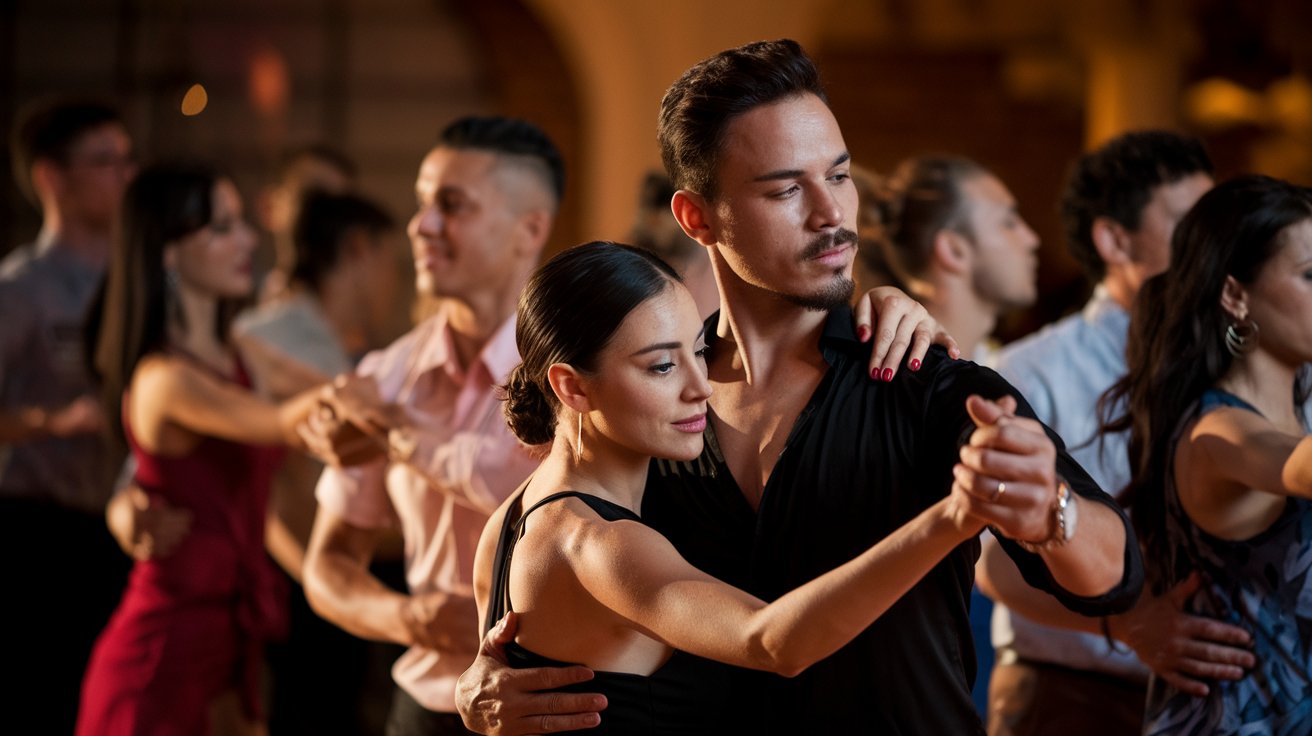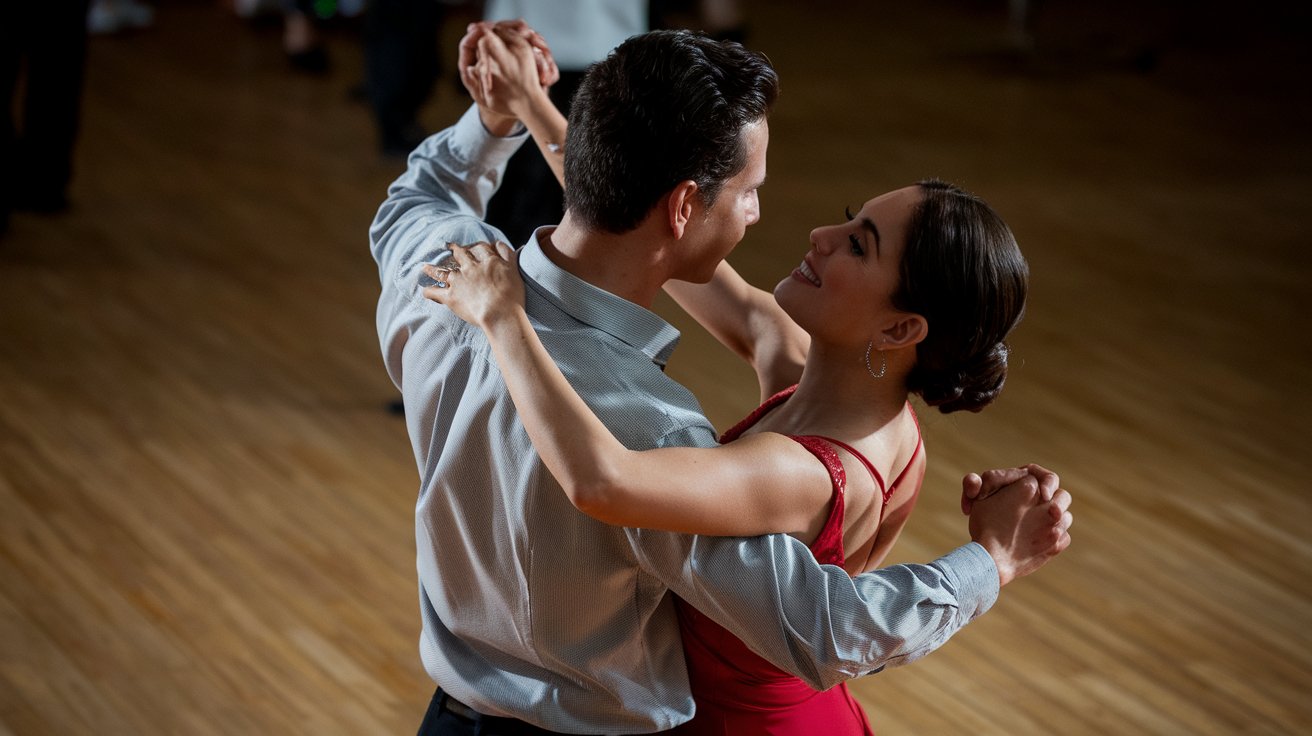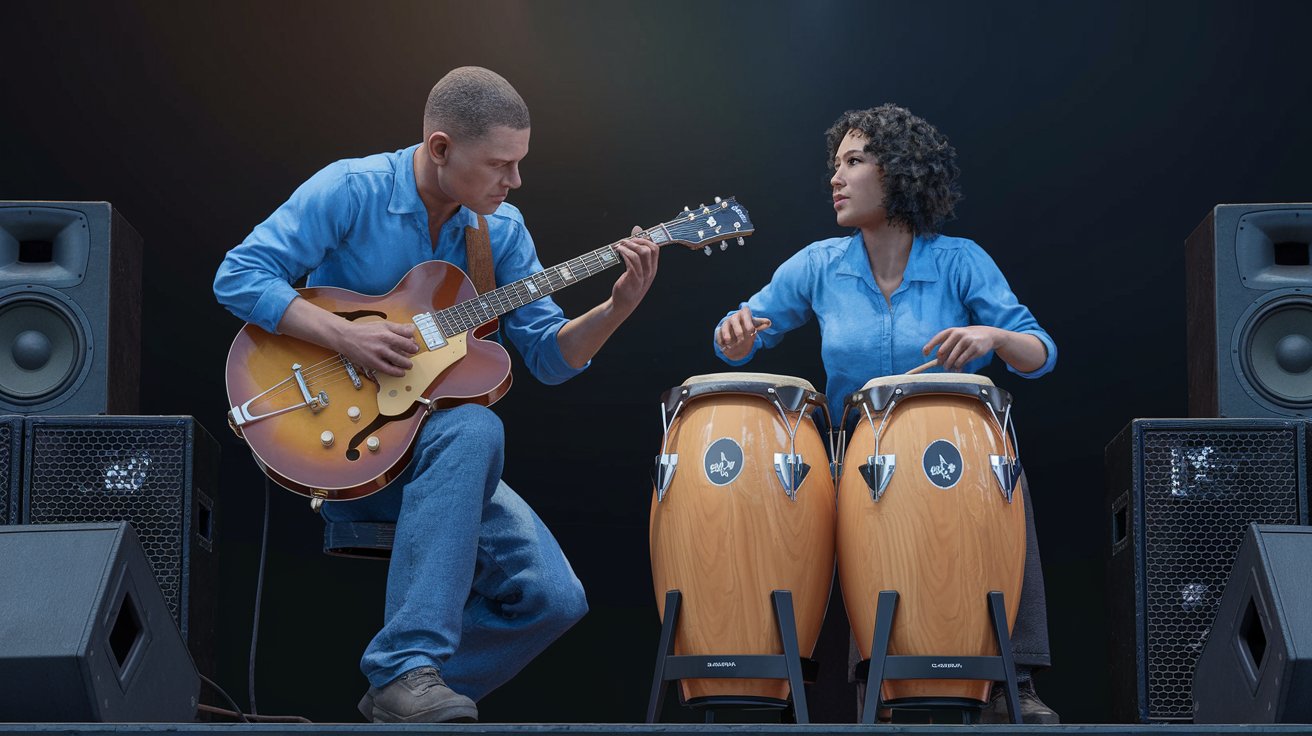
Bachata music relies on five essential instruments that create its distinctive romantic sound: the requinto (lead guitar), rhythm guitar, bass guitar, bongos, and güira. This Dominican musical genre emerged in the 1960s and has evolved into one of the most popular Latin dance styles across the United States, with each instrument playing a critical role in producing the characteristic melancholy yet danceable rhythms that define authentic bachata music.
The Five Core Instruments in Traditional Bachata Music
Traditional bachata music is built around five fundamental instruments that work together to create the genre’s signature sound. Unlike salsa or merengue, bachata features a more intimate instrumental arrangement that emphasizes melodic guitar work and steady percussion. These bachata instruments originated in the rural areas of the Dominican Republic during the early 1960s, where musicians adapted existing bolero and son traditions to create something entirely new.
Each instrument in a bachata ensemble serves a specific purpose: the requinto provides melodic leads and fills, the rhythm guitar establishes harmonic foundation, the bass guitar anchors the low-end groove, while bongos and güira deliver the percussive drive. Modern bachata bands in the United States often maintain this traditional five-instrument setup, though contemporary artists sometimes incorporate additional elements like keyboards or electric guitars for fusion styles popular in 2026.
Requinto: The Lead Guitar That Defines Bachata
The requinto guitar serves as the melodic voice of bachata music, playing intricate runs, fills, and solos that give the genre its emotional character. This specialized lead guitar typically features nylon strings and produces a bright, cutting tone that sits prominently in the mix. Professional bachata requinto players in the United States command significant respect, as their improvisational skills and technical mastery directly influence a song’s emotional impact.
In authentic Dominican bachata, the requinto player weaves melodic patterns between vocal phrases, creating a call-and-response dialogue that heightens the romantic or melancholic themes common in bachata lyrics. The requinto instrument typically plays in higher registers compared to the rhythm guitar, using techniques like arpeggios, scales, and tremolo picking. By 2026, bachata requinto styles have diversified significantly across American Latin music scenes, with players incorporating jazz, flamenco, and even blues influences while maintaining the core Dominican aesthetic that makes bachata instantly recognizable.
Rhythm and Bass Guitars in Bachata Arrangements
The foundation of any bachata instrumental arrangement rests on the interplay between rhythm guitar and bass guitar. These two instruments create the harmonic and rhythmic backbone that allows the requinto and vocals to shine. Understanding how these guitars in bachata function together reveals why the genre maintains such consistent groove and danceability despite its relatively simple chord progressions.
Rhythm Guitar: Establishing Harmonic Foundation
The rhythm guitar in bachata plays a deceptively simple but crucial role, strumming chord patterns that emphasize the distinctive bolero rhythm inherited from Cuban music traditions. This guitar typically uses steel strings and employs a syncopated strumming pattern that accents the off-beats, creating the characteristic bounce that makes bachata so danceable. In traditional bachata music, the rhythm guitarist maintains consistent chord voicings throughout songs, providing stability while the requinto explores melodic variations.
Professional bachata rhythm guitarists in the United States focus on maintaining tight timing with the bass and percussion, often using damping techniques to create percussive accents within their strumming patterns. By 2026, rhythm guitar parts in modern bachata sometimes incorporate palm-muting and funk-influenced techniques, particularly in urban bachata styles popular in cities like New York, Miami, and Los Angeles, though traditional Dominican bands preserve the classic strumming approaches that defined the genre’s golden era.
Bass Guitar: The Low-End Groove Anchor
The bass guitar in bachata provides the low-frequency foundation that drives the dance rhythm forward, typically playing steady quarter-note or eighth-note patterns that outline chord progressions. Unlike salsa bass, which often features complex montuno patterns, bachata bass lines tend toward simplicity and consistency, allowing dancers to easily find the beat and maintain timing throughout songs. Most bachata bassists use electric bass guitars with roundwound strings to achieve a warm, punchy tone that cuts through without overwhelming the melodic guitars.
In authentic Dominican bachata, the bass guitar locks tightly with the bongo rhythm, creating a unified rhythmic pocket that defines the genre’s characteristic groove. Contemporary bachata bass players in American Latin music scenes sometimes incorporate slap techniques or walking bass lines during instrumental sections, though the core groove remains anchored to traditional patterns that have defined bachata since the 1960s. The bass guitar’s role becomes particularly evident during the derecho rhythm sections that alternate with the more syncopated sections in traditional bachata song structures.
Percussion Instruments: Bongos and Güira
The percussion section in bachata music consists primarily of two instruments: bongos and güira. These percussion elements provide the rhythmic drive and textural variation that complement the guitar-focused arrangements. Unlike larger Latin percussion ensembles found in salsa or merengue, bachata percussion maintains a minimalist approach that keeps the focus on romantic lyrics and melodic guitar work while still providing essential rhythmic energy for dancers.
Bongos: The Primary Percussion Heartbeat
The bongos in bachata deliver the primary percussion rhythm, playing patterns derived from Afro-Cuban traditions but adapted to bachata’s slower, more deliberate tempo. These small double drums produce high-pitched tones that cut through the mix clearly, with the larger drum (hembra) and smaller drum (macho) creating complementary rhythmic patterns. Professional bachata bongo players use both open tones and muted slaps to create dynamic variation throughout songs, typically playing busier patterns during instrumental sections and more restrained rhythms under vocal passages.
In traditional Dominican bachata, bongo patterns emphasize beats two and four of each measure, creating the characteristic bounce that distinguishes bachata from other Latin genres. By 2026, bachata percussion techniques have evolved significantly, with players incorporating elements from son, rumba, and even Brazilian samba, particularly in fusion styles popular across United States Latin music venues. However, authentic bachata bongo playing still adheres to the fundamental patterns established by pioneers like Luis Días and Teodoro Reyes during bachata’s formative decades.
Güira: The Metallic Scraper Sound
The güira is a distinctively Dominican percussion instrument consisting of a cylindrical metal tube covered with raised bumps, played by scraping a stiff brush across its surface. This metallic scraper produces the characteristic shimmering, rasping sound that has become synonymous with Dominican music, including both bachata and merengue. The güira’s continuous rhythmic texture fills the sonic space between guitar strums and bongo hits, creating a complete rhythmic tapestry that supports both musicians and dancers.
In bachata music, the güira typically plays steady sixteenth-note patterns with accent variations that align with the bongo and bass rhythms. Professional güira players develop remarkable endurance and control, as the instrument requires continuous motion throughout entire songs. Some modern bachata bands in the United States have experimented with replacing the traditional güira with maracas or shakers, though purists maintain that the güira’s unique metallic timbre remains essential to authentic bachata sound. By 2026, güira construction has evolved with ergonomic improvements and alternative materials, though traditional metal designs remain preferred by professional Dominican musicians.
What Kind of Guitar Is Used in Bachata Music
The guitars used in bachata encompass both acoustic and electric varieties, with specific tonal characteristics that define authentic bachata sound. Understanding guitar choices helps musicians and enthusiasts appreciate the sonic textures that distinguish traditional Dominican bachata from modern fusion variations popular across the United States in 2026. The three guitar types in classic bachata ensembles each serve distinct musical functions that collectively create the genre’s signature sound.
Traditional bachata lead guitars (requinto) typically feature nylon strings stretched over classical or flamenco-style bodies, producing warm yet bright tones with quick attack and smooth sustain. These instruments allow for the rapid melodic runs and arpeggios characteristic of authentic bachata guitar work. The rhythm guitar usually employs steel strings on either acoustic or semi-acoustic bodies, providing the crisp, percussive chord sounds that drive the harmonic rhythm. Bass guitars in bachata are almost exclusively electric four-string models with round-wound strings, chosen for their ability to produce consistent, punchy low frequencies that remain clear even in live performance settings with minimal amplification.
By 2026, bachata guitarists in American Latin music scenes have access to specialized instruments designed specifically for the genre, including custom requinto guitars with modified bracing patterns for enhanced projection and electric-acoustic hybrids that allow traditional tone with modern amplification convenience. However, many professional Dominican musicians still prefer vintage instruments from the 1970s and 1980s, believing these guitars possess unique tonal qualities that cannot be replicated by contemporary manufacturing. The ongoing debate between traditional acoustic approaches and modern electric adaptations continues to shape bachata’s evolution across United States performance venues, recording studios, and dance halls.
Modern Bachata: Additional Instruments and Fusion Elements
Contemporary bachata music in 2026 frequently incorporates instruments beyond the traditional five-piece ensemble, reflecting bachata’s evolution from rural Dominican folk music to an international phenomenon. These additional elements appear particularly in urban bachata, sensual bachata, and fusion styles that dominate Latin music charts across the United States. Understanding these modern additions provides insight into how bachata continues adapting while maintaining its essential Dominican character.
Common additions to modern bachata arrangements include synthesizers and keyboards that add atmospheric pads, string sounds, or rhythmic textures not available from traditional acoustic instruments. Electronic bass sometimes replaces acoustic bass in studio recordings, providing deeper sub-bass frequencies favored in contemporary Latin pop production. Drum kits have become increasingly common in modern bachata, either supplementing or replacing traditional bongos to create fuller percussive arrangements suitable for large venue performances. Some contemporary bachata artists incorporate saxophones, trumpets, or full horn sections borrowed from salsa traditions, particularly in crossover tracks aimed at broader Latin music audiences.
Despite these additions, professional bachata musicians emphasize that the five core instruments remain central to authentic bachata identity. Even in heavily produced modern bachata tracks popular on American streaming platforms in 2026, the distinctive sound of requinto guitar, rhythmic guitar strumming patterns, and güira texture typically remain prominent in the mix. This balance between tradition and innovation allows bachata to compete commercially with reggaeton and Latin trap while preserving the romantic, guitar-driven aesthetic that originally distinguished the genre from other Caribbean and Latin American musical styles.
Dominican Origins: How Bachata Instruments Evolved
The Dominican Republic serves as the birthplace of bachata music, where the genre’s instrumental lineup evolved during the 1960s in working-class neighborhoods and rural areas. Understanding this bachata history provides context for why these specific instruments became essential to the genre’s identity. The development of bachata’s instrumental ensemble reflects broader social and cultural dynamics within Dominican society, where bachata initially faced significant stigma before eventually becoming recognized as legitimate Dominican cultural expression.
Early bachata musicians adapted instruments readily available in Dominican communities, drawing from existing bolero, son, and merengue traditions while creating something distinctively new. The guitar trio format (requinto, rhythm, bass) derived from Cuban son traditions, while the bongo came from Afro-Cuban rumba traditions already established in Dominican music. The güira represented the uniquely Dominican contribution, an indigenous percussion instrument that had been used in merengue for decades. This combination of borrowed and native elements created bachata’s characteristic sound, which initially developed in cantinas and brothels before gradually gaining mainstream acceptance.
By 2026, bachata music has achieved global recognition, with the genre’s Dominican origins celebrated across international Latin music communities, particularly in the United States where large Dominican diaspora populations in New York, New Jersey, and Florida have established bachata as a cornerstone of Latin dance culture. Modern Dominican musicians continue innovating within the traditional instrumental framework, ensuring that bachata remains both rooted in its working-class origins and relevant to contemporary audiences. The preservation of the five core instruments serves as a cultural touchstone connecting modern bachata to its Dominican heritage, even as the genre continues evolving in response to global musical influences.
Bachata vs Salsa: Instrumental Differences Explained
Understanding the instrumental differences between bachata and salsa helps clarify why these two popular Latin genres create distinct dance experiences and emotional atmospheres. While both genres share Caribbean roots and some instrumental overlap, their ensemble configurations and playing styles differ significantly, reflecting their separate cultural origins and musical purposes. These differences become particularly apparent in United States Latin music venues where both genres feature prominently in 2026.
Salsa music typically employs a much larger instrumental ensemble than bachata, including full horn sections (trumpets, trombones, saxophones), multiple percussion instruments (congas, timbales, bongos, cowbell), piano, bass, and sometimes additional guitars or string sections. This larger arrangement creates salsa’s characteristic dense, energetic sound designed for high-energy dancing in large groups. In contrast, bachata’s five-instrument configuration produces a more intimate, focused sound that emphasizes romantic themes and close partner dancing. Salsa arrangements feature complex polyrhythmic structures with multiple independent rhythmic lines, while bachata maintains simpler, more unified rhythmic patterns that emphasize steady groove over rhythmic complexity.
The guitar focus in bachata music distinguishes it fundamentally from salsa’s horn-and-piano-driven arrangements. While salsa occasionally includes guitar, the instrument rarely serves as the primary melodic voice as it does in bachata. Additionally, the güira’s presence in bachata creates a textural element absent from most salsa music, which typically relies on cowbell and timbales for metallic percussive accents. By 2026, some fusion artists have experimented with combining bachata and salsa instrumental elements, creating hybrid styles that incorporate bachata’s guitar work into salsa’s larger ensemble format, though purists generally maintain the distinct instrumental identities that define each genre’s authentic expression.
Learning Bachata Instruments: Resources and Considerations
Aspiring bachata musicians in the United States have access to numerous educational resources in 2026, ranging from online video tutorials to in-person instruction with professional Dominican players. Learning any of the five core bachata instruments requires understanding both general musical technique and the specific stylistic approaches that define authentic bachata sound. Each instrument presents unique challenges and learning curves, with different requirements for musical background and physical skills.
For guitar players, transitioning to bachata requinto requires developing facility with rapid melodic playing, arpeggios, and improvisation within the genre’s harmonic conventions. Many online platforms offer specialized bachata guitar courses taught by renowned Dominican musicians, with subscription services providing progressive lesson sequences from beginner to advanced levels. Rhythm guitar and bass require strong timing and the ability to maintain consistent groove, skills best developed through playing with other musicians or high-quality backing tracks. Percussion instruments like bongos and güira demand developing endurance and coordination, as both instruments require continuous playing throughout songs without fatigue.
The United States Latin music education landscape in 2026 includes numerous colleges and universities offering Latin music programs where bachata receives serious academic attention alongside salsa, merengue, and other Caribbean genres. Cities with large Dominican populations provide the best opportunities for finding experienced teachers and participating in authentic bachata jam sessions and performance opportunities. Online communities dedicated to bachata instrumental music offer valuable support for learners, including forums for technical questions, virtual practice groups, and digital sheet music repositories. Serious students benefit from studying both traditional Dominican recordings from bachata’s golden era and contemporary artists pushing the genre’s boundaries, developing comprehensive understanding of how bachata’s instrumental traditions continue evolving.
Related video about what instruments are used in bachata
This video complements the article information with a practical visual demonstration.
What you should know
What are the five core instruments used in traditional bachata music?
Traditional bachata music uses five essential instruments: the requinto (lead guitar with nylon strings), rhythm guitar (providing chord accompaniment), bass guitar (anchoring the low-end groove), bongos (delivering primary percussion rhythms), and güira (a metallic Dominican scraper). This five-piece ensemble originated in the Dominican Republic during the 1960s and remains the standard configuration for authentic bachata bands in 2026, though modern artists sometimes add synthesizers, drums, or other instruments for contemporary fusion styles.
Is bachata music Dominican or Mexican in origin?
Bachata is exclusively Dominican in origin, not Mexican. The genre emerged in the Dominican Republic during the early 1960s in working-class neighborhoods and rural areas, evolving from earlier bolero and son traditions with distinctive Dominican cultural elements. The güira percussion instrument and specific guitar playing styles reflect uniquely Dominican musical heritage. While bachata has gained international popularity including throughout Mexico and the United States, its roots and authentic traditions remain firmly anchored in Dominican cultural identity and history.
What kind of guitar is best for playing bachata lead?
The best guitar for bachata lead playing (requinto) is typically a classical or flamenco-style guitar with nylon strings, which produces the bright, melodic tone characteristic of authentic bachata sound. These guitars allow for the rapid arpeggios, scales, and tremolo techniques essential to traditional bachata lead work. Professional Dominican musicians often prefer guitars with slightly narrower necks for faster playing, and some use amplified classical guitars for live performance. By 2026, specialized requinto guitars designed specifically for bachata are available, featuring modified bracing patterns and pickup systems that maintain traditional acoustic tone with modern amplification capabilities.
Can you play bachata music without all five traditional instruments?
Yes, bachata music can be performed with fewer instruments, though the sound will differ from traditional full ensemble arrangements. Many bachata musicians create duo or trio versions using combinations like requinto and rhythm guitar, or requinto with bass. Solo bachata guitar arrangements exist for practice or intimate performances. However, the characteristic bachata sound that dancers recognize depends significantly on the interaction between all five traditional instruments, particularly the combination of melodic guitar, steady bass, and percussion groove. Modern technology allows single musicians to create full bachata arrangements using loop pedals or backing tracks, common in 2026 practice and performance scenarios.
How does bachata differ instrumentally from salsa music?
Bachata uses a much smaller instrumental ensemble than salsa, featuring five core instruments (two guitars, bass, bongos, güira) compared to salsa’s typical large band with horn sections, piano, multiple percussion instruments, and bass. Bachata centers on guitar as the primary melodic instrument, while salsa emphasizes horns and piano. The güira’s metallic texture is distinctive to bachata and Dominican music, while salsa uses cowbell and timbales for metallic percussion. Bachata maintains simpler, steadier rhythms focused on romantic close dancing, whereas salsa features complex polyrhythmic structures designed for energetic group dancing. These instrumental differences reflect the genres’ separate cultural origins and distinct musical purposes within Latin music traditions.
What instruments are used in modern bachata fusion styles?
Modern bachata fusion in 2026 often adds instruments beyond the traditional five-piece ensemble, including synthesizers and keyboards for atmospheric textures, electronic bass for deeper sub-bass frequencies, full drum kits supplementing or replacing bongos, and occasionally horn sections borrowed from salsa traditions. Some contemporary artists incorporate violin, cello, or other string instruments for romantic ballad-style bachata. Urban bachata styles may include electronic elements like programmed beats or sound effects. Despite these additions, professional producers typically maintain the distinctive requinto guitar melodies and güira textures that preserve bachata’s essential Dominican identity, balancing innovation with tradition to keep the genre commercially viable while respecting its cultural heritage.
| Instrument | Role in Bachata | Characteristic Sound |
|---|---|---|
| Requinto (Lead Guitar) | Provides melodic leads, fills, and solos | Bright, nylon-string tone with rapid arpeggios |
| Rhythm Guitar | Establishes harmonic foundation and groove | Crisp, syncopated chord strumming patterns |
| Bass Guitar | Anchors low-end rhythm and chord progressions | Warm, punchy electric bass with steady groove |
| Bongos | Delivers primary percussion heartbeat | High-pitched drum tones with dynamic variations |
| Güira | Creates continuous rhythmic texture | Shimmering metallic scraper distinctive to Dominican music |