Bachata music is a romantic Dominican guitar-based genre that emerged from the rural countryside in the early 20th century, characterized by syncopated rhythms, heartfelt lyrics about love and heartbreak, and distinctive instrumentation featuring requinto guitar, bongos, bass, and güira. Initially marginalized as music of the lower classes, bachata has evolved into a globally recognized phenomenon with over 15 million monthly streaming listeners in the United States as of 2026, influencing Latin pop and urban music while maintaining its authentic emotional core.
Origins and Cultural Significance of Bachata
Bachata music originated in the Dominican Republic during the early 1920s, emerging from the rural campos and marginalized urban neighborhoods where working-class Dominicans expressed their daily struggles through song. The term bachata initially referred to informal backyard parties where people gathered to drink, dance, and socialize, often viewed negatively by the upper classes who associated the genre with vulgarity and low social status. This stigma persisted until the 1980s when artists like Juan Luis Guerra legitimized bachata by incorporating sophisticated arrangements and recording techniques that appealed to middle-class audiences.
The cultural significance of bachata extends beyond entertainment, representing Dominican identity and resilience against social discrimination. In 2026, the genre has been recognized by UNESCO cultural preservation initiatives, with Dominican-American communities in New York, Miami, and Boston organizing annual bachata festivals that attract over 200,000 attendees combined. The music serves as a bridge between generations of immigrants, preserving linguistic traditions through Spanish lyrics while adapting to contemporary Latin urban influences that resonate with younger audiences born in the United States.
Essential Elements That Define Bachata Music
Understanding what bachata music sounds like requires examining its fundamental musical components that distinguish it from other Latin genres like salsa or merengue. The genre operates within specific structural parameters while allowing creative expression through improvisation and emotional interpretation.
The Five Core Instruments of Bachata
Traditional bachata instrumentation consists of five essential elements that create its signature sound. The requinto guitar serves as the lead melodic instrument, playing intricate runs and fills that respond to the vocalist’s phrases in a conversational style. The segunda or rhythm guitar provides the foundational chord progression, typically using simple major and minor triads that emphasize the genre’s accessible emotional appeal. The electric bass maintains the rhythmic pulse with patterns that accent the syncopated bachata beat, particularly emphasizing the fourth beat where dancers execute their characteristic hip movement.
Percussion in bachata includes the bongos, which provide sharp accents and rhythmic complexity, and the güira, a metal scraper that produces the distinctive scratching sound central to bachata’s texture. Modern bachata arrangements in 2026 often incorporate additional instruments like keyboards, strings, and programmed drums, particularly in the urban bachata subgenre popularized by artists like Romeo Santos and Prince Royce. These contemporary additions have expanded bachata’s sonic palette while maintaining the essential guitar-percussion foundation that defines the genre’s identity in both traditional and fusion contexts.
Bachata’s Distinctive Rhythm and Tempo
The bachata rhythm operates in 4/4 time signature with a characteristic bolero-influenced pattern that emphasizes beats one and three while creating syncopation on beat four. Traditional bachata typically ranges from 120 to 140 beats per minute, though sensual bachata styles often slow to 110-120 BPM to accommodate more intricate dance movements. The rhythmic pattern features a distinctive syncopated eighth-note figure where the bass and percussion create a push-pull tension that gives bachata its recognizable groove, different from the straight four-on-the-floor pattern of merengue or the complex clave patterns of salsa.
In 2026, bachata timing has diversified across subgenres, with traditional bachata maintaining slower tempos around 125 BPM while bachata urbana incorporates faster reggaeton-influenced rhythms reaching 145 BPM. The genre’s flexibility allows DJs and bands to adjust tempo based on dance context, with social dancing typically favoring moderate speeds that balance musicality with physical comfort. This rhythmic adaptability has contributed to bachata’s growth in United States dance studios, where over 3,500 certified bachata instructors now teach the genre, compared to 1,800 in 2020.
Guitar and Voice Conversation
The interplay between guitar and vocals represents bachata’s most distinctive artistic feature, creating a musical dialogue where the requinto guitar responds to vocal phrases with melodic commentary. This call-and-response structure derives from African musical traditions filtered through Dominican folk music, where instrumentalists traditionally improvise reactions to sung narratives. In classic bachata recordings, guitarists like Edilio Paredes and Joan Soriano demonstrate virtuosic technique through rapid scale runs, arpeggios, and chromatic passages that fill spaces between vocal lines while maintaining harmonic support.
Contemporary bachata artists in 2026 have expanded this conversation by incorporating electric guitar effects, looping technology, and harmonic sophistication influenced by jazz and R&B. Artists like Luis Miguel del Amargue and Manuel Turizo blend traditional requinto patterns with modern production techniques, creating layered guitar textures that appeal to younger audiences while respecting the genre’s conversational essence. This evolution has made bachata guitar playing increasingly complex, with music schools in New York and Los Angeles now offering specialized programs that teach both traditional and contemporary approaches to the instrument within bachata contexts.
Bachata Lyrics and Emotional Expression
Bachata lyrics traditionally focus on romantic themes, particularly heartbreak, betrayal, and unrequited love expressed through poetic language that resonates with working-class experiences. The genre’s lyrical content reflects Dominican cultural values around romantic relationships, often portraying male vulnerability and emotional suffering in ways that contrast with machismo stereotypes prevalent in other Latin genres. Classic bachata songs like Luis Segura’s ‘Pena Por Ti’ and Teodoro Reyes’ ‘Amor de Mi Bohío’ established narrative templates where protagonists process emotional pain through music, creating cathartic experiences for listeners facing similar circumstances.
Modern bachata composition in 2026 has expanded thematic range beyond traditional heartbreak narratives to include social commentary, female empowerment, and cross-cultural identity themes relevant to diaspora communities. Artists like Rosalía and Natti Natasha have introduced feminist perspectives that challenge traditional gender dynamics in bachata lyrics, while groups like Aventura pioneered autobiographical storytelling about immigrant experiences in the United States. This lyrical evolution has broadened bachata’s audience beyond Spanish-speaking communities, with English-language covers and bilingual fusions reaching mainstream American listeners through platforms like Spotify, where bachata playlists generate over 500 million streams annually.
Bachata Subgenres and Musical Evolution
The evolution of bachata music has produced distinct subgenres that reflect changing social contexts and technological innovations while maintaining core musical elements. Understanding these variations helps explain why bachata appears diverse across different listening contexts in the United States.
Traditional Bachata and Bachata Amargue
Traditional bachata, also called bachata amargue or bitter bachata, represents the genre’s original form characterized by raw emotional expression, simple instrumentation, and lyrics focused on suffering and alcohol-fueled melancholy. Artists like Luis Segura, Leonardo Paniagua, and Mélida Rodríguez defined this style during the 1960s through 1980s, recording with minimal production values that emphasized authentic vocal delivery and virtuosic guitar work. The term amargue refers to bitterness, reflecting the genre’s association with romantic disappointment and social marginalization experienced by Dominican working classes.
In 2026, traditional bachata maintains dedicated audiences both in the Dominican Republic and among older diaspora communities in the United States, with specialized radio stations in New York and New Jersey programming exclusively classic recordings. The style’s aesthetic values simplicity and emotional authenticity over production sophistication, creating a nostalgic connection for listeners who associate the sound with cultural roots. Music historians now recognize bachata amargue as an essential phase in Latin American popular music development, with academic programs at universities including NYU and UCLA offering courses examining the genre’s sociolinguistic significance and its relationship to Dominican national identity formation.
Modern Bachata and Bachata Urbana
Modern bachata emerged during the 1990s when artists like Juan Luis Guerra and Víctor Víctor incorporated sophisticated arrangements, studio production techniques, and middle-class lyrical perspectives that transformed the genre’s social status. This modernization included adding keyboards, programmed percussion, and harmonic complexity influenced by jazz and pop music, making bachata acceptable to audiences who previously dismissed it as vulgar. The success of Guerra’s 1992 album ‘Bachata Rosa’ proved the genre’s commercial viability internationally, opening opportunities for subsequent artists to experiment with bachata fusion styles that blend elements from other genres.
Bachata urbana represents the latest evolutionary phase, combining traditional instrumentation with reggaeton beats, trap production aesthetics, and hip-hop influenced vocal delivery. Artists like Romeo Santos, Prince Royce, and Ozuna dominate this subgenre, achieving mainstream success in the United States with collaborations featuring artists from diverse genres including Drake, Usher, and Cardi B. In 2026, urban bachata generates over 8 billion annual streams on Spotify, with the subgenre’s crossover appeal introducing bachata to non-Latino audiences through festivals like Coachella and Lollapalooza, where bachata artists now regularly headline alongside pop and hip-hop performers.
Sensual Bachata and Experimental Fusions
Sensual bachata developed as both a musical and dance style emphasizing slower tempos, smoother melodic lines, and romantic lyrics that complement the dance style’s close partner work and body isolations. This subgenre typically operates between 110-120 BPM, incorporating instrumental breaks that allow dancers to execute complex patterns and dips. Artists like Daniel Santacruz and Carlos y Alejandra have specialized in producing music specifically designed for sensual bachata dancing, which has become the dominant style taught in American dance studios since 2020.
Experimental bachata fusions in 2026 include combinations with electronic dance music, rock, and even country music, reflecting bachata’s increasing integration into global popular music. DJ/producer collectives like Bachtivity and Bachata Remix Project create club-oriented versions that maintain bachata’s rhythmic foundation while incorporating house music production techniques, expanding the genre’s presence in mainstream nightlife venues across United States cities. These experimental approaches demonstrate bachata’s continued evolution as artists balance tradition with innovation, ensuring the genre remains relevant to younger generations while preserving essential musical characteristics that define its identity.
Bachata Dance and Its Connection to the Music
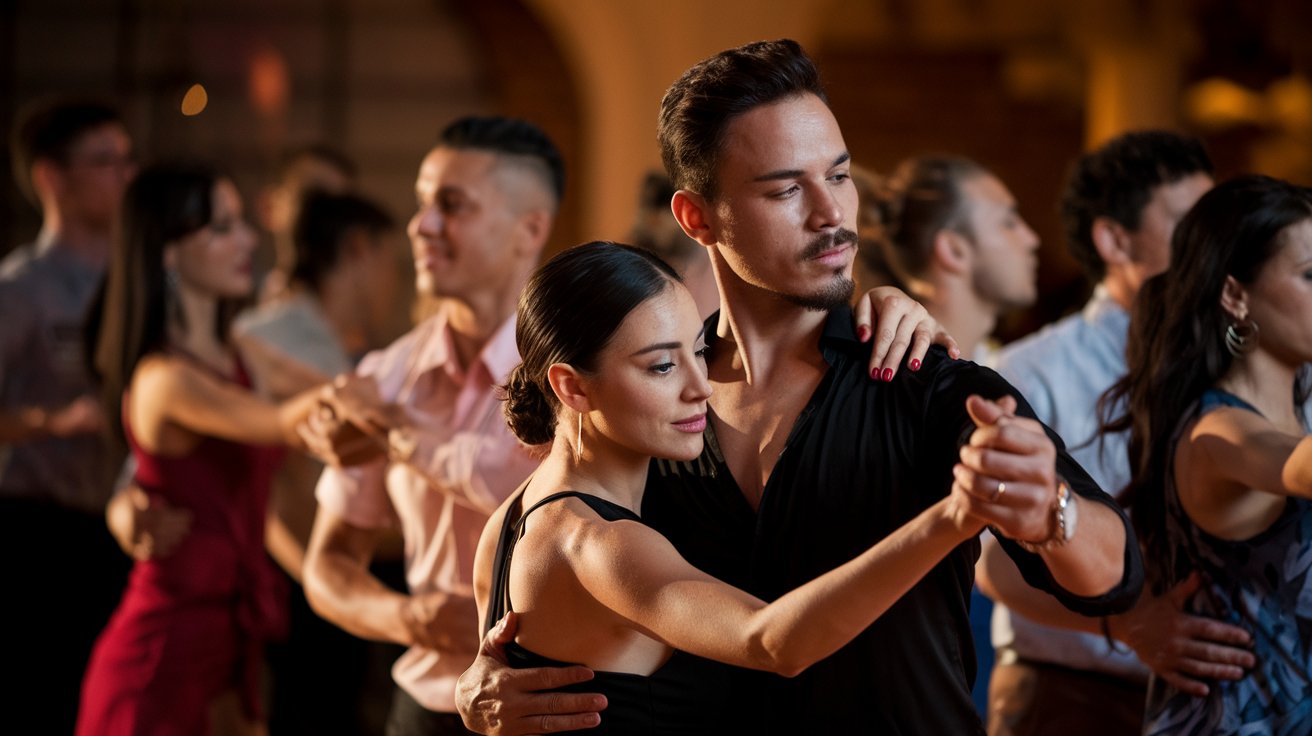
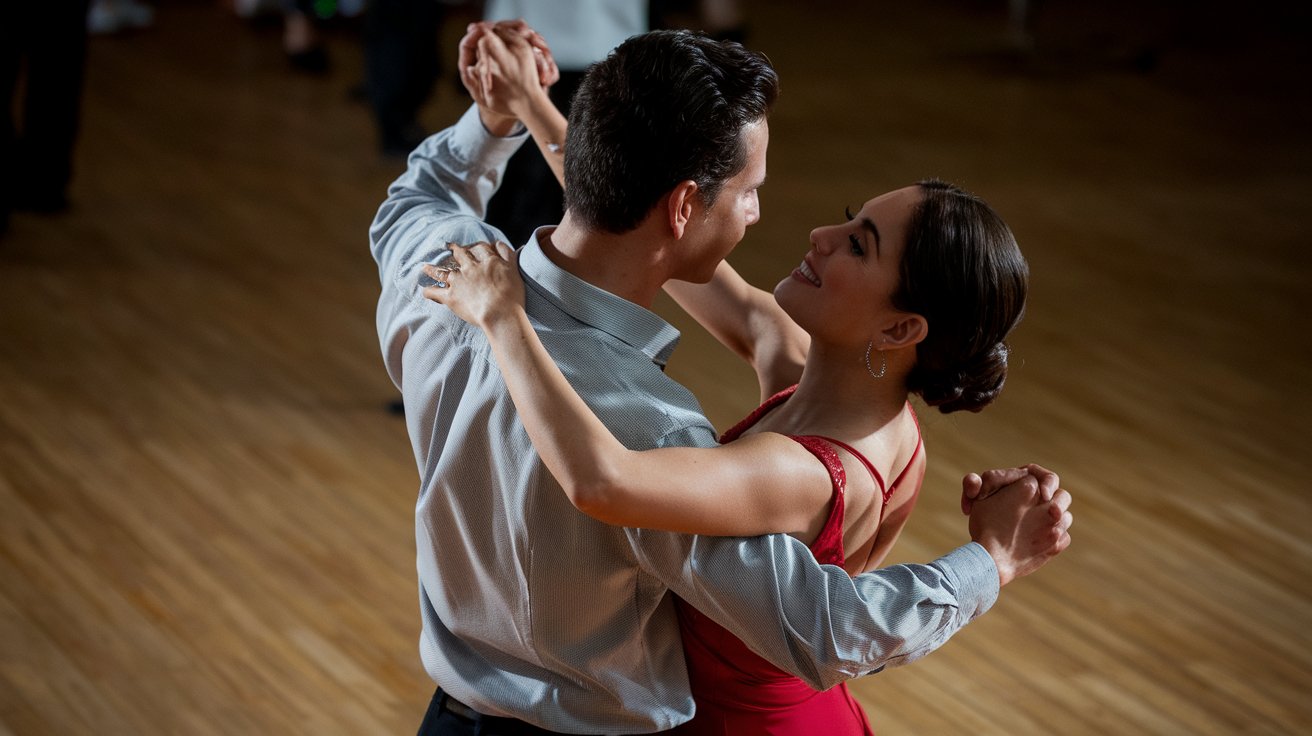
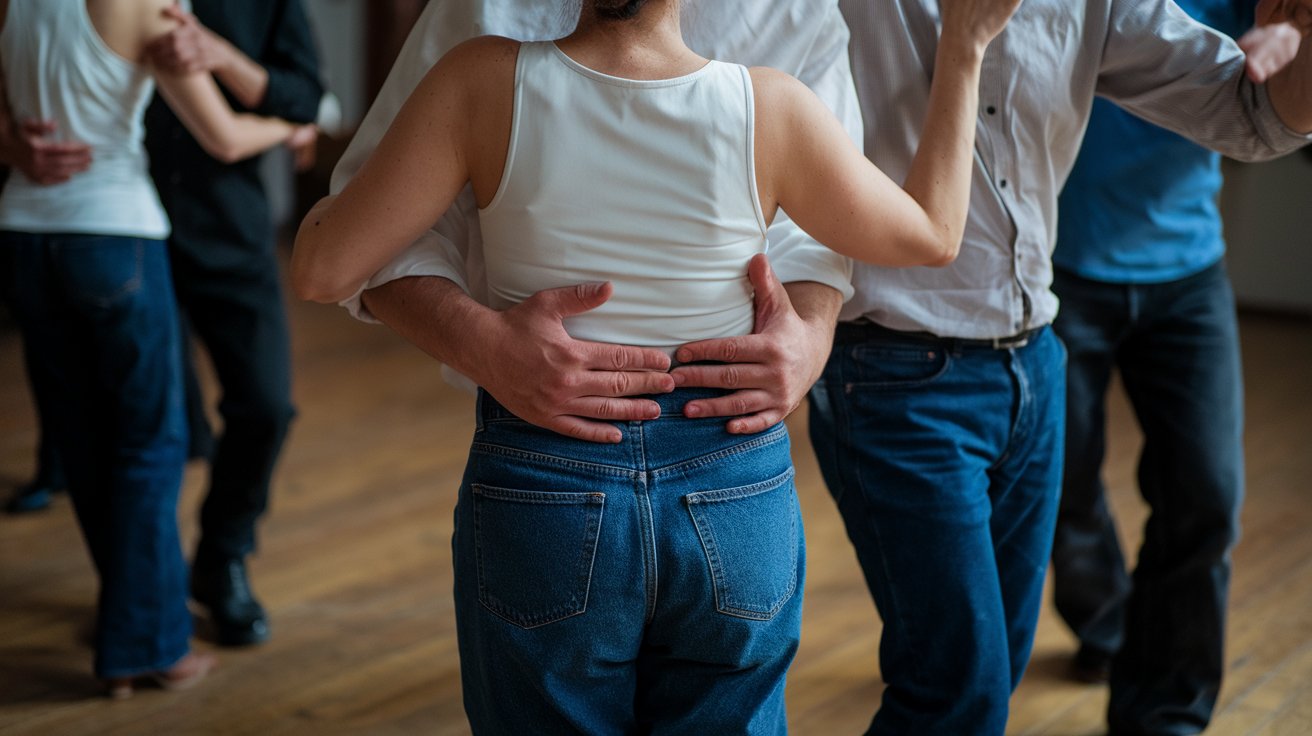
Bachata dance developed alongside the music as a partner dance characterized by side-to-side basic steps, hip movements on the fourth beat, and close partner connection that reflects the genre’s romantic themes. The dance originated in Dominican working-class neighborhoods where couples danced in tight spaces, leading to the characteristic compact footwork and upper body stillness that distinguishes bachata from more expansive dances like salsa. Traditional bachata dancing emphasizes connection between partners and musical interpretation, with experienced dancers demonstrating the rhythmic syncopation through precise hip motion that accents the music’s fourth beat.
In the United States, bachata dance has experienced explosive growth since 2015, with over 2,800 dedicated bachata social dancing events occurring weekly across major cities as of 2026. Dance studios report that bachata classes now attract more students than salsa in cities like Los Angeles, Miami, and Houston, partially because beginners perceive the basic steps as easier to learn than salsa. The dance’s sensual aesthetic, featuring close embrace and body rolls, appeals to students seeking partner connection, though this same quality raises the question why bachata is so sensual compared to other social dances. The answer lies in the music’s romantic lyrics and slower tempos that encourage intimate partner work, creating the emotional intensity that defines both the dance and musical experience.
Top Bachata Songs and Essential Artists
Exploring bachata songs top 10 provides insight into the genre’s artistic range and evolutionary trajectory. Essential tracks include Aventura’s ‘Obsesión’ (2002), which introduced bachata to mainstream American audiences through its blend of traditional instrumentation with urban production; Romeo Santos’ ‘Propuesta Indecente’ (2013), demonstrating how modern bachata incorporates tango influences; and Juan Luis Guerra’s ‘Bachata Rosa’ (1990), the song that legitimized the genre among middle-class Latin American audiences. Contemporary hits in 2026 include Manuel Turizo’s ‘La Bachata,’ which dominated Latin charts with over 800 million Spotify streams, and Rosalía’s experimental bachata fusion tracks that introduce flamenco guitar techniques into traditional arrangements.
Famous bachata artists span multiple generations and stylistic approaches. Pioneers like Luis Segura and Leonardo Paniagua established the traditional amargue style during the 1970s, while Juan Luis Guerra brought sophistication and international recognition in the 1990s. The modern era’s most commercially successful bachata artist remains Romeo Santos, whose five studio albums have collectively sold over 40 million copies worldwide, making him the genre’s most influential contemporary figure. Other essential artists include Prince Royce, who pioneered English-language bachata reaching bilingual audiences; Aventura, whose fusion approach created templates for urban bachata; and female artists like Natti Natasha and Yailin la Más Viral, who challenge gender norms in a historically male-dominated genre through empowered lyrical perspectives and aggressive urban production styles.
Where Bachata Is Popular Today
Bachata popularity extends far beyond its Dominican origins, with the genre establishing significant audiences across Latin America, Europe, and North America. In the United States, bachata reaches listeners through multiple channels including Spanish-language radio networks, streaming platforms, and live music venues in cities with substantial Latino populations. The New York metropolitan area hosts the largest concentration of bachata activity outside the Dominican Republic, with neighborhoods in the Bronx, Queens, and northern Manhattan featuring clubs, restaurants, and concert venues dedicated exclusively to the genre.
As of 2026, bachata streaming data reveals surprising geographic patterns, with significant listening populations in unexpected markets including Japan, where bachata dance communities have grown rapidly, and Australia, where Latin music festivals regularly feature bachata artists. Within the United States market, California leads all states in bachata consumption with over 12 million monthly listeners, followed by Florida with 9 million and Texas with 7 million. The genre’s growth extends beyond traditional Latino markets, with increasing adoption in mainstream music festivals and crossover collaborations that introduce bachata to diverse audiences, ensuring its continued expansion as a globally recognized musical form rather than niche ethnic category.
Comparing Bachata to Salsa Music and Dance
The relationship between bachata and salsa represents one of the most common comparisons in Latin music, with each genre offering distinct musical and cultural characteristics. Musically, salsa features complex percussion arrangements based on Afro-Cuban clave patterns, brass sections with elaborate horn arrangements, and faster tempos typically ranging from 160-220 BPM, while bachata emphasizes guitar melodies, simpler percussion, and moderate tempos between 110-140 BPM. These structural differences create contrasting dance aesthetics, with salsa requiring more complex footwork, multiple turn patterns, and spatial awareness, while bachata focuses on partner connection, subtle body movement, and musical interpretation through hip motion.
The question is bachata sexier than salsa reflects subjective perceptions influenced by each genre’s aesthetic priorities and cultural associations. Bachata’s close embrace, sustained eye contact, and slower tempos create intimate encounters between partners that many perceive as more sensual, while salsa’s energetic turns, separations, and show-oriented styling emphasize playful flirtation over sustained intimacy. Dance instructors in 2026 report that students often begin with bachata because it’s easier than salsa to learn, with basic patterns requiring less coordination and fewer memorized sequences. However, advanced bachata and salsa both demand years of practice to master musical interpretation, leading techniques, and improvisation skills, making comparisons of difficulty largely dependent on the specific skill level examined rather than inherent complexity differences.
Learning and Experiencing Bachata Music
For those exploring what bachata music sounds like in practice, multiple resources provide access to the genre’s diverse styles and historical development. YouTube channels like ‘Bachata Music Channel’ and ‘Dominican Music TV’ offer curated playlists organized by era and subgenre, allowing listeners to trace the evolution from 1960s traditional recordings through contemporary urban fusion. Streaming platforms including Spotify and Apple Music feature algorithmic playlists like ‘Bachata Hits’ and ‘Modern Bachata’ that introduce new releases alongside classic tracks, while specialized services like Bachtivity focus exclusively on bachata content for serious enthusiasts and dance instructors.
Bachata music for kids has emerged as a specialized category recognizing the genre’s family-friendly potential when lyrics focus on non-romantic themes. Artists like Chiqui Baby and educational music producer José-Luis Orozco have created bachata-rhythm children’s songs teaching Spanish vocabulary and Dominican cultural traditions through age-appropriate content. In 2026, several bachata music education programs operate in United States schools with significant Latino populations, using the genre to maintain heritage language skills and cultural identity among second and third-generation Dominican-American students. These initiatives demonstrate bachata’s versatility as both entertainment and educational tool, expanding its social functions beyond traditional romantic and dance contexts into broader cultural preservation roles.
Related video about what is bachata music
This video complements the article information with a practical visual demonstration.
Frequently Asked Questions
Is bachata easier to learn than salsa for beginners?
Yes, bachata is generally easier than salsa for beginners due to its simpler basic step pattern, slower tempo, and more straightforward rhythm. The bachata basic consists of three steps and a tap executed to each side, while salsa requires coordinating forward-backward or side patterns with more complex timing. Bachata’s 4/4 rhythm with emphasized beats is more intuitive for newcomers compared to salsa’s syncopated clave-based timing. Dance instructors report that most students achieve comfortable social dancing ability in bachata within 8-12 weeks, compared to 16-24 weeks for comparable salsa proficiency. However, both dances require years of practice to master advanced techniques like musical interpretation, styling, and improvisation.
Why is bachata considered so sensual compared to other Latin dances?
Bachata is sensual because its musical structure and dance style emphasize intimate partner connection through close embrace, sustained eye contact, and body isolation movements synchronized with the music’s romantic lyrics and moderate tempo. The characteristic hip movement on the fourth beat creates subtle body contact between partners, while slower tempos (110-140 BPM) allow time for controlled, deliberate movements that emphasize connection over speed. The genre’s lyrical focus on romantic love, desire, and emotional vulnerability creates an atmosphere that encourages intimate expression. Additionally, the sensual bachata dance style that emerged in the 2010s specifically incorporates body waves, dips, and closer embraces than traditional bachata, intensifying the dance’s sensual reputation in contemporary practice.
What are the most famous bachata songs I should know?
Famous bachata songs spanning different eras include Aventura’s ‘Obsesión’ (2002), which introduced bachata to mainstream audiences with over 1 billion combined views and streams; Romeo Santos’ ‘Propuesta Indecente’ (2013), blending bachata with tango influences; Juan Luis Guerra’s ‘Bachata Rosa’ (1990), the song that legitimized the genre internationally; and Prince Royce’s ‘Stand By Me’ (2010), demonstrating bachata’s adaptability to English-language covers. Contemporary hits in 2026 include Manuel Turizo’s ‘La Bachata,’ which dominated charts with 800+ million Spotify streams, and Luis Miguel del Amargue’s ‘Dos Locos,’ representing traditional bachata’s continued vitality. These tracks collectively demonstrate bachata’s evolution from marginalized folk music to globally recognized genre.
Is bachata sexier than salsa as a dance and music genre?
Whether bachata is sexier than salsa depends on individual perception and which aspects of sensuality one values. Bachata emphasizes sustained intimacy through close partner embrace, slower tempos that allow prolonged eye contact, and hip movements that create continuous physical connection, which many perceive as more overtly sensual. Salsa features energetic turns, playful separations, and show-oriented styling that emphasizes flirtation and visual excitement over sustained intimacy. Musically, bachata lyrics focus explicitly on romantic desire and emotional vulnerability, while salsa lyrics cover broader themes including celebration and social commentary. In 2026 surveys of United States social dancers, 68% describe bachata as ‘more romantic and intimate’ while 57% describe salsa as ‘more exciting and playful,’ suggesting the genres offer different but equally valid expressions of attraction and connection.
Where can I listen to authentic bachata music online?
Authentic bachata music is accessible through multiple platforms in 2026. YouTube channels like ‘Bachata Music Channel,’ ‘Dominican Music Heritage,’ and individual artist channels offer extensive catalogs spanning traditional to contemporary styles. Spotify playlists including ‘Bachata Classics,’ ‘Traditional Bachata,’ and ‘Bachata 2026’ provide curated selections across subgenres. For traditional bachata specifically, specialized platforms like Bachata-World Radio stream 24/7 classic recordings from the 1960s-1980s. Apple Music’s ‘Essentials: Bachata’ playlist covers canonical tracks, while SoundCloud hosts independent artists and remixes. Dominican radio stations including La Mega 97.9 FM (New York) and El Zol 106.7 FM (Miami) stream online with dedicated bachata programming. For educational purposes, the Smithsonian Folkways collection includes documented historical recordings with cultural context.
What makes bachata music different from other Latin genres?
Bachata differs from other Latin genres through its distinctive instrumentation centered on requinto lead guitar rather than brass or percussion, its moderate 4/4 rhythm with syncopated fourth-beat emphasis rather than clave-based patterns, and its lyrical focus on romantic melancholy rather than celebration or social commentary. Unlike salsa’s complex horn arrangements and fast tempos (160-220 BPM), bachata features guitar-driven melodies at 110-140 BPM with simpler harmonic structures. Compared to merengue’s rapid 2/4 rhythm and accordion-based sound, bachata offers slower, more introspective expression. The genre’s call-and-response between vocals and requinto guitar creates conversational musical texture unique among Latin styles. These characteristics combine to produce bachata’s signature sound: intimate, guitar-focused, rhythmically accessible, and emotionally direct, distinguishing it from other Caribbean and Latin American musical traditions.
| Bachata Element | Key Characteristics | Cultural Impact |
|---|---|---|
| Musical Origin | Dominican rural working-class communities, 1920s-1960s, initially marginalized | Represents resilience and authentic cultural identity preservation |
| Core Instruments | Requinto lead guitar, rhythm guitar, bass, bongos, güira metal scraper | Creates distinctive sound recognizable globally, accessible instrumentation |
| Rhythm Pattern | 4/4 time, 110-140 BPM, syncopated fourth-beat emphasis with hip motion | Easier to dance than salsa, contributed to widespread adoption in US |
| Lyrical Themes | Romantic heartbreak, betrayal, emotional vulnerability, working-class experiences | Provides emotional catharsis, connects diaspora communities to heritage |
| Major Subgenres | Traditional amargue, modern bachata, urban bachata, sensual bachata | Demonstrates evolution while maintaining core identity, appeals to diverse audiences |
| US Popularity 2026 | 15+ million monthly listeners, 8 billion annual streams, 3,500+ dance instructors | Mainstream recognition, crossover collaborations, festival headliner status |
| Dance Connection | Close partner embrace, side-to-side steps, hip movements on fourth beat | Most popular Latin social dance in US studios, accessible to beginners |
| Key Artists | Romeo Santos, Juan Luis Guerra, Aventura, Prince Royce, Luis Segura | 40+ million album sales collectively, international tours, genre ambassadors |