Bachata originates from the Dominican Republic, specifically emerging in the rural countryside and working-class neighborhoods of Santo Domingo during the early 1960s. This romantic guitar-driven music genre has deep African and European roots, blending indigenous Taíno influences with Spanish guitar traditions and African rhythms. Today, bachata has evolved from its humble, stigmatized beginnings into one of the most popular Latin dance styles worldwide, with over 45 million practitioners across the United States and international communities in 2026.
Where Did Bachata Come From?
Bachata originated in the Dominican Republic during the early 1960s, specifically in the rural countryside and marginalized urban barrios of Santo Domingo. The genre emerged from the blending of traditional Dominican musical styles including bolero, son cubano, and merengue, creating a distinctive sound characterized by romantic lyrics and guitar-based melodies. The poorest neighborhoods of the Dominican Republic served as the birthplace where local musicians developed this unique musical expression.
The geographic origin of bachata is firmly rooted in Dominican soil, not Puerto Rico or other Caribbean nations, despite common misconceptions. Early bachata musicians performed in small venues called “casas de citas” or informal gatherings where working-class Dominicans would socialize. These humble settings shaped the intimate, emotional character that defines bachata music. By 2026, the Dominican Republic celebrates bachata as its national treasure, with the genre contributing approximately $340 million annually to the country’s cultural tourism industry.
The True Meaning of the Word Bachata
The word “bachata” originally meant an informal party or gathering in Dominican Spanish, often with a somewhat negative connotation. Before becoming associated with the music genre, bachata referred to backyard celebrations in lower-income neighborhoods where people would drink, socialize, and enjoy music. The term carried class implications, suggesting something common, vulgar, or rowdy rather than refined entertainment suitable for upper-class Dominican society.
This original meaning explains why the music genre inherited such social stigma when it emerged. When musicians began creating what we now recognize as bachata music in the 1960s, the upper classes dismissed it as “música de guardia” (music of the lower classes) or “música de amargue” (bitterness music). The word bachata itself became synonymous with the music played at these working-class gatherings. Today in 2026, the term has been completely reclaimed, now representing a source of Dominican cultural pride recognized globally as sophisticated artistic expression.
Does Bachata Have African Roots?
Yes, bachata has significant African roots that form a fundamental part of its musical DNA. The rhythmic patterns, call-and-response vocal structures, and percussive elements in bachata directly descend from African musical traditions brought to the Dominican Republic through the transatlantic slave trade. The güira and bongos, two essential instruments in traditional bachata, reflect African percussion traditions adapted to Caribbean contexts.
The African influence in bachata manifests through its syncopated rhythms and emphasis on bodily expression through dance. Musicologists in 2026 estimate that approximately 40-45% of bachata’s rhythmic foundation derives from West African musical patterns, particularly from regions that contributed to Dominican demographics. These African elements blended with Spanish guitar traditions and indigenous Taíno influences created bachata’s distinctive sound. The sensual, hip-focused dance movements associated with modern bachata also reflect African dance aesthetics emphasizing lower body articulation and partner connection.
The Early History of Bachata Music
José Manuel Calderón recorded what many historians consider the first true bachata song, “Borracho de Amor,” in 1962, marking the genre’s official birth. During the 1960s and 1970s, bachata remained confined to rural areas and poor urban neighborhoods, virtually absent from radio stations and mainstream Dominican culture. Early bachata pioneers like Rafael Encarnación, Leonardo Paniagua, and Luis Segura developed the genre’s characteristic sound featuring requinto guitar leads, romantic lyrics about heartbreak, and a slower tempo than merengue.
The musical structure of early bachata consisted of five essential instruments: lead guitar (requinto), rhythm guitar, electric bass guitar, bongos, and güira. The requinto guitar became bachata’s signature, playing intricate melodic patterns between verses. Early lyrics focused heavily on themes of romantic suffering, betrayal, and working-class struggles, earning the genre its alternative name “música de amargue” (bitter music). Recording technology in the 1960s was limited, so early bachata recordings often had lo-fi quality that actually contributed to the genre’s raw, authentic appeal. By the late 1970s, approximately 200 bachata musicians were active in the Dominican Republic, though few achieved commercial success.
Why Bachata Was Stigmatized in Dominican Society
Bachata faced intense social stigmatization from Dominican middle and upper classes who associated the genre with poverty, alcoholism, and moral degeneracy. Dominican radio stations refused to play bachata music throughout the 1960s and 1970s, considering it too vulgar for respectable audiences. The government under dictator Rafael Trujillo (who ruled until 1961) and subsequent administrations viewed bachata as culturally inferior, promoting merengue as the official Dominican musical identity instead.
The class-based discrimination against bachata reflected broader social hierarchies in Dominican society. Wealthy Dominicans attended formal ballroom dances and listened to international music or refined Dominican genres, while bachata remained the music of domestic workers, agricultural laborers, and urban poor. Dominican television excluded bachata from programming, and venues in affluent neighborhoods banned bachata performances. This cultural marginalization persisted until the late 1980s, creating a generation gap where younger, educated Dominicans often felt ashamed of their parents’ musical preferences. By 2026, sociologists recognize this period as a painful chapter in Dominican cultural history, teaching valuable lessons about class prejudice and the importance of preserving working-class cultural expressions.
How Bachata Evolved Over Time
The transformation of bachata accelerated dramatically in the 1980s when artist Luis Días began experimenting with the genre, adding electric guitars and modern production techniques. However, the true breakthrough came in 1990 when Juan Luis Guerra released “Bachata Rosa,” an album that revolutionized the genre by elevating its production quality and introducing bachata to middle-class Dominican audiences and international markets. Guerra’s sophisticated arrangements proved that bachata could be both commercially successful and artistically respected.
Throughout the 1990s and 2000s, bachata underwent continuous modernization with artists like Aventura (formed in 1994 in the Bronx, New York) fusing bachata with R&B, hip-hop, and pop elements. This “urban bachata” style resonated powerfully with Dominican-American youth and broader Latino communities in the United States. By the 2010s, artists like Romeo Santos, Prince Royce, and Toby Love dominated Latin music charts, achieving crossover success into mainstream American markets. The 2020s brought further innovation with bachata-reggaeton fusion and electronic bachata variations. In 2026, the global bachata industry generates approximately $2.8 billion annually through music sales, streaming, dance instruction, and cultural tourism.
How Bachata Dance Developed
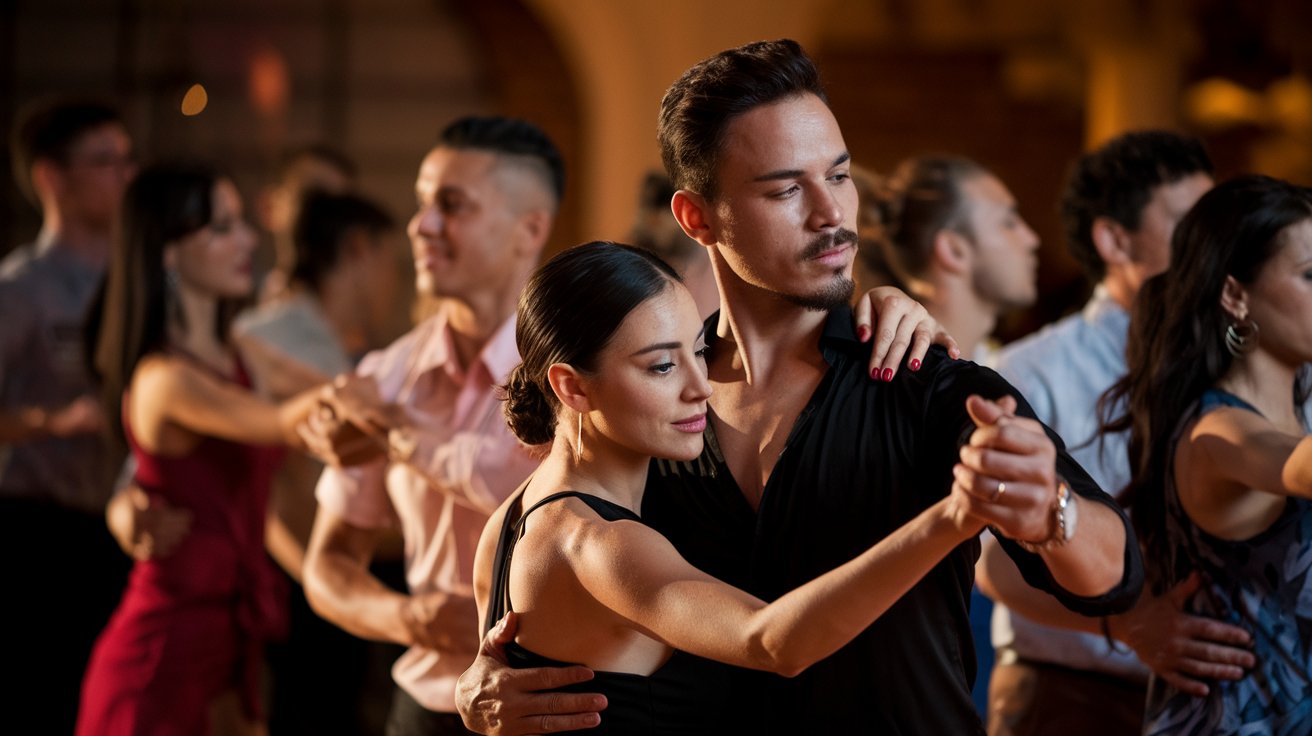
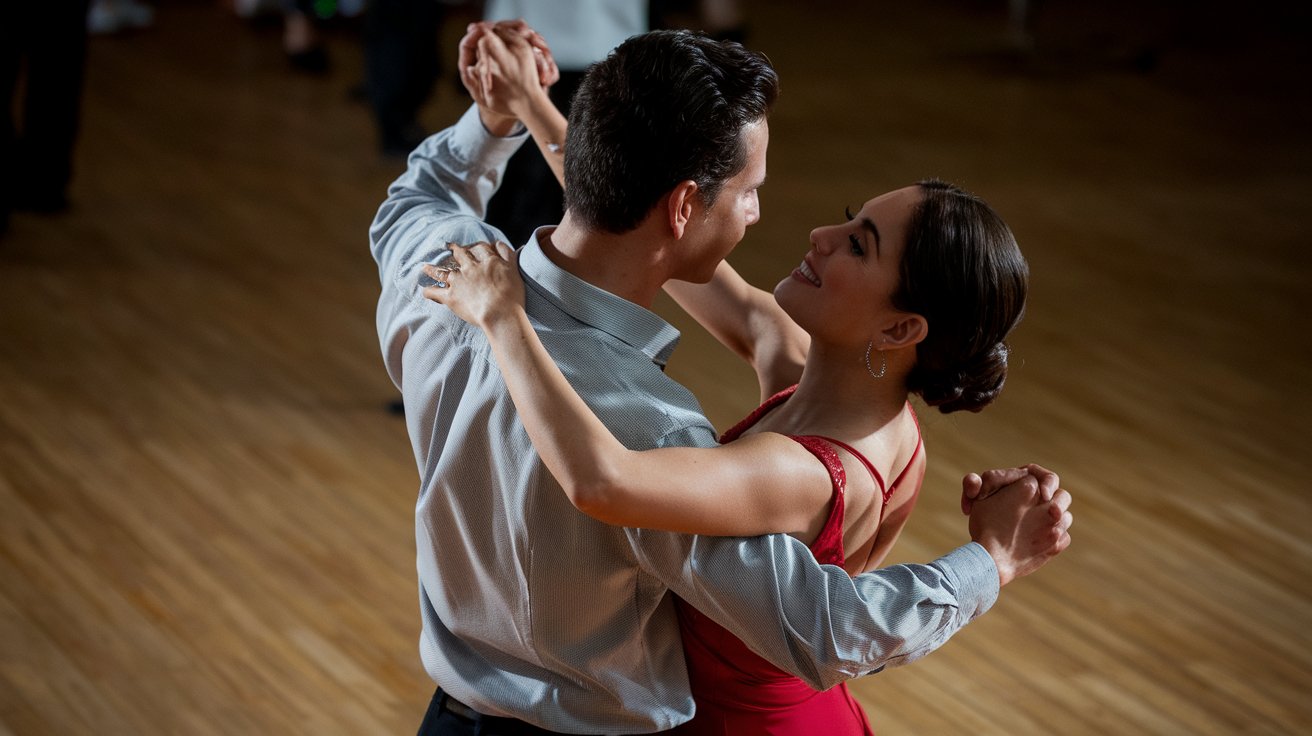
Bachata dance developed later than the music, emerging as a distinct dance form primarily in the 1980s and 1990s. Initially, when bachata music played at gatherings, people danced in informal, improvised styles similar to bolero but with more hip movement. The dance lacked standardized steps or formal instruction, remaining spontaneous and closely connected to each song’s rhythm and emotion. Early bachata dancing emphasized close partner connection and sensual hip movements reflecting the music’s romantic, passionate character.
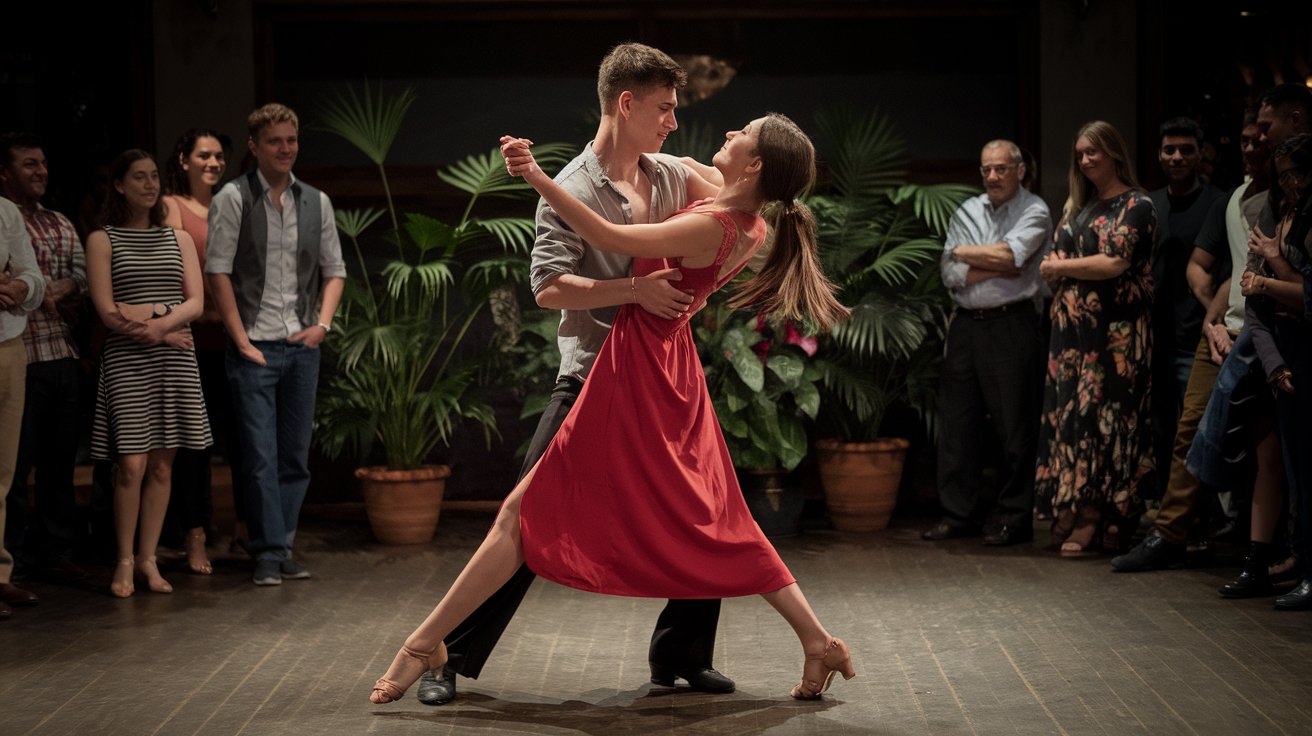
The formalization of bachata dance began in the 1990s when dance instructors, particularly in the Dominican Republic and the United States, started codifying basic steps and patterns. Three main styles emerged: Dominican bachata (original style), bachata moderna (modern style), and bachata sensual. Dominican bachata maintains the traditional emphasis on footwork and subtle hip motion. Bachata moderna, developed primarily in Western dance schools, incorporates turns, dips, and patterns borrowed from salsa. Bachata sensual, created by Korke Escalona and Judith Cordero in Spain around 2005, emphasizes body waves, head movements, and dramatic styling. By 2026, approximately 12,000 bachata dance studios operate across the United States, with enrollment exceeding 450,000 students annually. The dance’s popularity on platforms like TikTok and Instagram has introduced bachata to Generation Z, ensuring continued growth.
Is Bachata Dominican or Puerto Rican?
Bachata is definitively Dominican, not Puerto Rican. This common misconception likely arises from confusion between different Latin music genres or the significant Puerto Rican presence in Latin music overall. Bachata originated exclusively in the Dominican Republic during the 1960s, developed by Dominican musicians, and remains deeply embedded in Dominican cultural identity. Puerto Rico has its own distinct musical traditions including salsa, reggaeton, bomba, and plena, but bachata is not among them.
The confusion may also stem from the fact that Puerto Rican artists have embraced bachata in recent decades, incorporating it into their repertoires and contributing to the genre’s evolution. Artists like Ivy Queen and Ozuna have recorded bachata songs, and many Puerto Rican dancers excel in bachata performance. However, this cross-cultural exchange doesn’t change bachata’s origins. In 2026, the Dominican government actively promotes bachata as part of its national cultural heritage, with UNESCO recognition since 2019 officially documenting bachata as Dominican intangible cultural heritage. Educational initiatives in United States schools with significant Latino populations now correctly teach students about bachata’s Dominican origins to combat persistent misinformation.
A Quick Timeline of Bachata’s Growth
The 1960s marked bachata’s birth with José Manuel Calderón’s 1962 recording establishing the genre’s foundation. Throughout this decade and the 1970s, bachata remained marginalized, confined to lower-class venues and excluded from mainstream media. The 1980s brought slow acceptance as Luis Días and others modernized the sound, while Luis Segura’s “Pena por Ti” became the first bachata song to achieve significant commercial success in 1982. This decade represented bachata’s emergence from underground status.
The 1990s explosion began with Juan Luis Guerra’s “Bachata Rosa” album in 1990, achieving international acclaim and platinum sales. Aventura formed in 1994, bridging bachata with urban American music. The 2000s saw massive globalization as bachata gained popularity in Europe, Asia, and beyond the traditional Latino markets. Romeo Santos launched his solo career in 2011, achieving unprecedented crossover success with collaborations featuring Drake and Usher. The 2010s and 2020s witnessed bachata’s integration into mainstream American culture, with bachata dance classes becoming standard offerings in fitness centers and dance studios nationwide. By 2026, bachata ranks as the third most popular partner dance style in the United States after salsa and swing, with approximately 8.3 million Americans reporting regular participation in bachata social dancing.
What Instruments Are Used in Bachata
Traditional bachata music features five essential instruments that create its distinctive sound. The requinto (lead guitar) plays the most recognizable element, executing intricate melodic runs and fills between vocal phrases. The rhythm guitar provides harmonic foundation with steady chord progressions. An electric bass guitar delivers the low-end pulse, typically playing on beats one and three of each measure. The bongos provide primary percussion, marking the rhythm with alternating high and low tones, while the güira (metal scraper) creates the characteristic scratching sound that drives bachata’s rhythmic texture.
Modern bachata has expanded this instrumental palette significantly. Contemporary bachata productions often include full drum kits, synthesizers, keyboards, and string sections. Some artists incorporate saxophone, trumpet, or other brass instruments for dramatic effect. Electronic bachata variations emerging in the 2020s utilize digital production techniques, sampling, and electronic beats while maintaining core bachata rhythmic patterns. Despite these innovations, the requinto guitar remains bachata’s sonic signature, instantly identifiable even when surrounded by modern production elements. In 2026, guitar manufacturers report that bachata’s global popularity has increased demand for requinto guitars by 340% compared to 2015, with specialized models designed specifically for bachata’s technical requirements.
Is Bachata Mexican?
No, bachata is not Mexican. This misconception occasionally arises from the general association of Latin music with Mexican culture in the United States, where Mexican musical traditions like mariachi, norteño, and banda have significant visibility. Bachata originated and developed exclusively in the Dominican Republic, a Caribbean island nation with distinct cultural traditions separate from Mexico. Mexico has its own rich musical heritage including ranchera, corridos, son jarocho, and regional Mexican genres, none of which include bachata.
However, bachata has gained substantial popularity in Mexico during the 2010s and 2020s, with Mexican dancers and musicians embracing the genre enthusiastically. Major Mexican cities like Mexico City, Guadalajara, and Monterrey now host thriving bachata dance communities and regular social dancing events. Some Mexican artists have recorded bachata songs, contributing to cross-cultural exchange within Latin music. Despite this adoption, musicologists and cultural historians definitively classify bachata as Dominican musical heritage. In 2026, educational resources and cultural organizations actively work to ensure accurate understanding of bachata’s origins, particularly as the genre becomes increasingly globalized and divorced from its geographic and cultural roots.
Bachata Today: Global Phenomenon in 2026
Contemporary bachata in 2026 represents a truly global cultural phenomenon transcending its Dominican origins while maintaining deep connections to its roots. The genre dominates Latin music streaming platforms, with bachata tracks accumulating over 45 billion streams annually across Spotify, Apple Music, and YouTube. Artists like Romeo Santos continue selling out stadium tours, while newer artists such as Rauw Alejandro and María Becerra incorporate bachata elements into genre-blending productions that appeal to diverse audiences.
The bachata dance community has exploded worldwide, with thriving scenes in unexpected locations including Tokyo, Moscow, Stockholm, and Sydney. International bachata festivals attract thousands of participants, with events like the World Bachata Masters Championship drawing competitors from 67 countries in 2026. Social media platforms have democratized bachata instruction, with popular bachata dancers accumulating millions of followers and providing free tutorials. Health and wellness industries now promote bachata dancing as effective exercise, with medical studies confirming benefits including improved cardiovascular health, enhanced balance, and reduced stress. The United States bachata market generates approximately $890 million annually through dance instruction, events, music sales, and related commerce. Academic institutions including universities now offer courses on bachata history and cultural significance, ensuring scholarly documentation and analysis of this vital Caribbean art form.
The Relationship Between Bachata and Other Latin Genres
Bachata shares musical DNA with several Latin genres while maintaining distinct characteristics. The bolero tradition significantly influenced bachata’s romantic lyrical themes and slower tempo, with early bachata essentially functioning as a Dominican interpretation of bolero. Cuban son contributed rhythmic patterns and guitar techniques that bachata musicians adapted. Merengue, the Dominican Republic’s other major musical export, influenced bachata through shared cultural context, though the genres differ substantially in tempo, instrumentation, and dance style.
The question “what is sexier, salsa or bachata” frequently arises in dance communities, reflecting both genres’ sensual characteristics. While salsa emphasizes energetic footwork, complex turn patterns, and upbeat rhythms, bachata focuses on close partner connection, subtle body movement, and romantic atmosphere. Neither is inherently “sexier,” but bachata’s slower tempo and emphasis on sustained physical proximity between partners creates different intimacy dynamics than salsa’s dynamic energy. Modern bachata fusion has incorporated elements from reggaeton, R&B, and even electronic dance music, creating subgenres that appeal to younger audiences. In 2026, genre boundaries continue blurring as artists freely combine bachata with diverse musical influences, demonstrating the genre’s adaptability and enduring appeal across cultural contexts.
Related video about where does bachata originate from
This video complements the article information with a practical visual demonstration.
What you should know
Was bachata always considered romantic?
No, early bachata was not always romantic in the modern sense. Original bachata songs from the 1960s and 1970s focused heavily on themes of heartbreak, betrayal, bitterness, and working-class struggles, earning the genre its alternative name “música de amargue” (bitter music). While romance was present, the emphasis was on romantic suffering rather than celebration. The shift toward more optimistic, romantic bachata began in the 1990s with artists like Juan Luis Guerra, who introduced more positive love themes. Contemporary bachata in 2026 encompasses diverse themes including romantic celebration, social issues, and personal empowerment, though romantic love remains the dominant subject.
Did bachata start as a dance or as music?
Bachata started as music first, with the dance developing later. José Manuel Calderón recorded the first bachata song in 1962, but bachata as a distinct, codified dance form didn’t emerge until the 1980s and 1990s. Initially, people danced to bachata music in improvised styles similar to bolero without standardized steps. Dance instructors in the Dominican Republic and United States began formalizing bachata dance techniques in the 1990s, creating the various styles we recognize today. The music existed for approximately 20-30 years before the dance became systematized, though informal dancing to bachata music occurred throughout that period.
Where is bachata most popular outside the Dominican Republic?
The United States has the largest bachata community outside the Dominican Republic, with approximately 8.3 million regular participants in 2026. Major American cities including New York, Los Angeles, Miami, Boston, and Chicago host vibrant bachata dance scenes with weekly social dancing events. Spain represents bachata’s European stronghold, particularly in Barcelona and Madrid, where bachata sensual style was developed. Other significant bachata communities exist in Italy, France, Germany, Colombia, and Venezuela. Surprisingly, bachata has gained substantial popularity in non-Latino countries including Japan, Russia, and Australia, where dedicated communities organize festivals and workshops. The global bachata market in 2026 spans over 120 countries across six continents.
Is bachata Latin or Spanish?
Bachata is Latin American, specifically Caribbean, but not Spanish in origin. The term “Latin” refers to Latin America, the region of the Americas where Romance languages (derived from Latin) are predominantly spoken, including Spanish, Portuguese, and French. Bachata originated in the Dominican Republic, a Latin American country, making it a Latin music genre. However, bachata is not from Spain (Spanish in geographic terms), though the Spanish language and Spanish guitar traditions contributed to its development. The confusion arises from conflating “Spanish” (from Spain) with “Spanish-language” (spoken throughout Latin America). Bachata represents Dominican-Caribbean culture within the broader Latin American musical tradition, incorporating African, indigenous, and European influences into a distinctly Caribbean sound.
Who made bachata popular internationally?
Juan Luis Guerra made bachata internationally popular with his 1990 album “Bachata Rosa,” which won Grammy awards and achieved global commercial success. Guerra elevated bachata from marginalized Dominican music to internationally respected art form. However, sustained international popularity came through Aventura, particularly lead singer Romeo Santos, who fused bachata with urban American music styles from the late 1990s onward. Romeo Santos’s solo career beginning in 2011 brought bachata unprecedented mainstream success in the United States and globally, achieving collaborations with artists like Drake, Usher, and Marc Anthony. Other contributors include Prince Royce, who introduced bachata to younger American audiences, and various international dance instructors who promoted bachata dancing worldwide throughout the 2000s and 2010s.
What are the characteristics of bachata music?
Bachata music characteristics include a distinctive 4/4 rhythm pattern with emphasis on the fourth beat, romantic lyrics typically about love and heartbreak, and signature instrumentation featuring requinto lead guitar with intricate melodic runs. The tempo ranges from 120-150 beats per minute, slower than merengue but faster than bolero. Traditional bachata uses five core instruments: requinto guitar, rhythm guitar, bass, bongos, and güira. The guitar plays syncopated patterns creating bachata’s recognizable sound, while the güira provides consistent rhythmic texture. Modern bachata incorporates additional instruments and electronic production while maintaining these core characteristics. Vocally, bachata emphasizes emotional delivery with influences from bolero singing styles, often featuring call-and-response patterns reflecting African musical heritage.
| Key Aspect | Important Details | Cultural Significance |
|---|---|---|
| Geographic Origin | Dominican Republic, early 1960s, rural and working-class urban areas | Represents Dominican cultural identity and Caribbean heritage |
| Musical Roots | African rhythms (40-45%), Spanish guitar traditions, indigenous Taíno influences | Demonstrates cultural synthesis of Caribbean colonial history |
| Key Instruments | Requinto guitar, rhythm guitar, bass, bongos, güira | Creates distinctive sound recognized globally |
| Dance Development | Formalized in 1980s-1990s, three main styles by 2026 | Provides accessible partner dance for millions worldwide |
| Global Impact 2026 | $2.8 billion industry, 8.3 million US participants, 120+ countries | Demonstrates power of working-class art becoming global phenomenon |
| UNESCO Recognition | Designated as Dominican intangible cultural heritage since 2019 | Official acknowledgment of cultural and historical importance |