Merengue music relies on three core instruments that create its distinctive Caribbean rhythm: the accordion, the tambora drum, and the güira metal scraper. This traditional Dominican musical style has evolved since its origins in the 1850s, incorporating modern instruments while maintaining its cultural authenticity. Understanding these instruments reveals the rich heritage of Dominican Republic music that continues to influence Latin music worldwide in 2026.
The Three Essential Instruments of Traditional Merengue
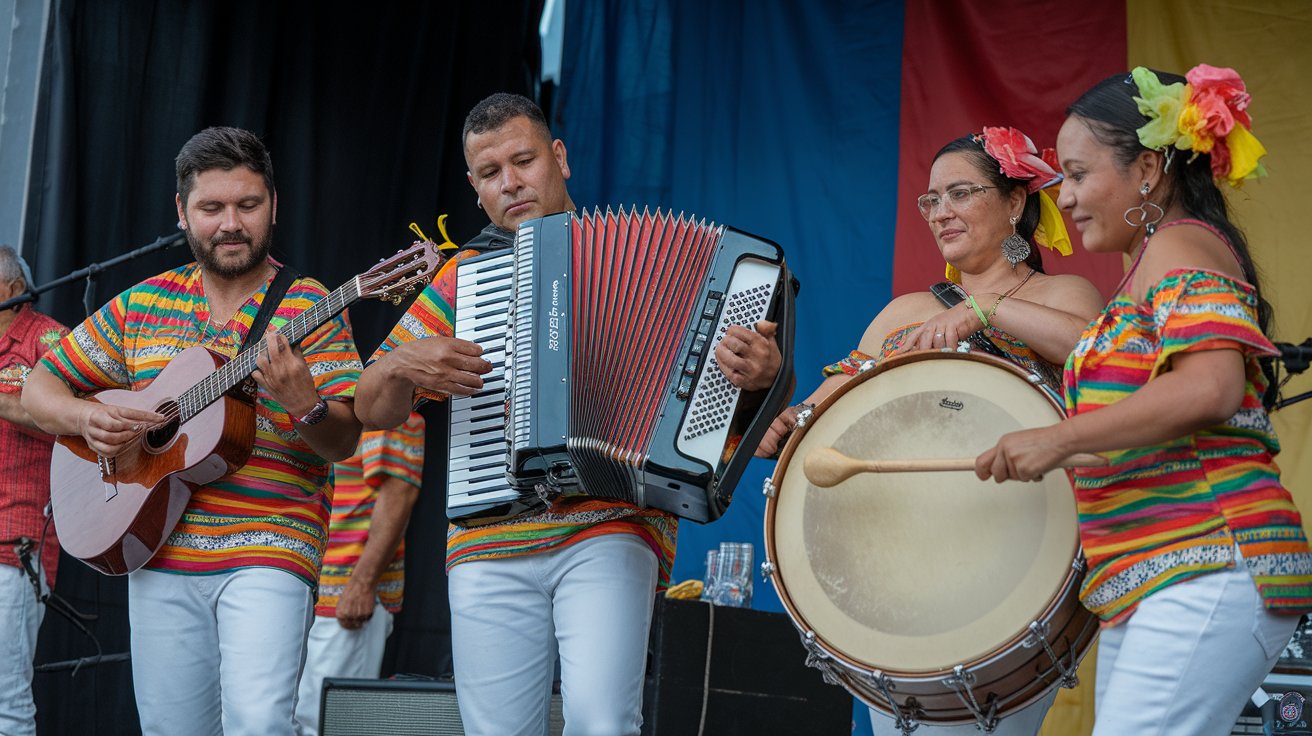
Traditional merengue music depends fundamentally on three instruments that form what musicians call the típico ensemble. The accordion (acordeón) provides the melodic foundation, the tambora supplies the rhythmic pulse, and the güira adds the characteristic metallic scraping sound. These three elements working together create the unmistakable sound that defines authentic merengue across the United States and Latin America. Dominican musicians have preserved this instrumental trio since the late 19th century, making it the backbone of merengue’s cultural identity.
Each instrument in this trio serves a specific musical purpose that cannot be replicated by other instruments. The diatonic button accordion replaced earlier string instruments around the 1870s, becoming the dominant melodic voice. The tambora, a two-headed drum played with one hand and one stick, creates complex polyrhythmic patterns. The güira, made from perforated metal, produces sharp scraping sounds that cut through the entire ensemble. Together, these instruments generate the energetic 2/4 time signature that makes merengue dance so distinctive and popular in United States dance clubs and cultural celebrations in 2026.
The Accordion: Melodic Heart of Merengue Music
The button accordion stands as the most recognizable instrument in merengue, providing both melody and harmonic support throughout performances. Dominican musicians traditionally use diatonic accordions with one, two, or three rows of buttons, with the two-row accordion being most common in modern merengue típico. The instrument’s bright, penetrating tone allows it to lead the ensemble while creating the rapid ornamental passages that characterize professional merengue playing. Accordion masters in the United States and Dominican Republic continue to innovate while respecting traditional playing techniques passed down through generations.
Modern merengue accordionists in 2026 often choose instruments from manufacturers like Hohner, Gabbanelli, and Castagnari, which produce models specifically designed for tropical music styles. The accordion’s ability to play both rhythmic comping and virtuosic melodic runs makes it indispensable to the genre. Professional players develop techniques including rapid bellows shaking (fuelle technique), simultaneous bass and treble playing, and characteristic ornamentations called floreos. These skills require years of practice, with many Dominican musicians beginning accordion training in childhood to master the instrument’s complexities.
The Tambora Drum: Rhythmic Foundation
The tambora is a double-headed cylindrical drum that provides the essential rhythmic foundation for all merengue music. This instrument typically measures 12-16 inches in diameter and uses goat skin heads secured with rope tension systems. The distinctive playing technique involves using the bare hand on one drumhead to produce bass tones while striking the other head with a stick to create sharp, high-pitched accents. This dual-playing method creates the complex polyrhythmic patterns that drive merengue dance movements and distinguish it from other Latin music styles like salsa or bachata.
Professional tambora players in 2026 master various traditional rhythmic patterns called toques, each associated with different regional merengue styles. The merengue típico style emphasizes rapid, syncopated patterns, while merengue de orquesta features more straightforward rhythmic approaches. Dominican craftsmen in the United States and Caribbean continue producing hand-made tamboras using traditional construction methods, though modern synthetic heads have become common for durability. The instrument’s portability and powerful sound projection make it essential for both intimate performances and large festival stages throughout American Latino communities.
The Güira: Percussion Scraper Adding Texture
The güira is a cylindrical metal scraper covered with raised bumps that produces the characteristic shimmering sound heard in all authentic merengue music. Musicians hold the güira vertically with one hand while scraping a wire brush or fork-like scraper across its surface with the other hand, creating rapid rhythmic patterns that interlock with the tambora’s drumbeats. This instrument descended from the Indigenous Taíno guayo made from dried gourds, but modern versions use stainless steel or chrome-plated metal for greater volume and durability. The güira’s metallic timbre cuts through dense instrumental arrangements, making it audible even in large outdoor festival settings across the United States.
Playing the güira effectively requires developing specialized scraping techniques that produce clean, articulated rhythms without creating muddy or unclear sounds. Professional players alternate between long scrapes and short, staccato strokes, often incorporating syncopated patterns that complement rather than duplicate the tambora’s rhythms. In 2026, güira manufacturers produce instruments ranging from budget-friendly models costing $20-40 to professional-grade instruments exceeding $150, with variations in metal thickness, perforation patterns, and handle designs. The instrument’s relatively simple construction makes it accessible to beginning musicians, yet mastering its rhythmic subtleties requires years of experience within Dominican musical traditions.
Modern Instruments in Contemporary Merengue Orquesta
Contemporary merengue orquesta arrangements incorporate numerous instruments beyond the traditional trio, creating fuller, more complex soundscapes suitable for large venues and commercial recordings. The modern merengue ensemble typically includes saxophone sections (alto, tenor, and baritone), trumpet sections, electric bass, keyboards, congas, timbales, and sometimes guitars. This orchestral approach emerged in the 1950s and 1960s when bandleaders like Luis Alberti and Joseíto Mateo expanded merengue’s instrumentation to compete with big band jazz and other popular music styles. Today’s United States-based merengue bands balance traditional típico elements with these modern orchestral components to appeal to diverse audiences.
The saxophone became particularly important in merengue orquesta, often playing melody lines and improvisational solos that previously belonged exclusively to the accordion. Tenor and baritone saxophones provide rich harmonic support, while alto saxophones deliver cutting melodic passages. Electronic instruments have also become standard, with synthesizers replicating horn sections and creating modern sound textures. Professional merengue bands in 2026 increasingly use digital audio workstations and electronic percussion pads alongside acoustic instruments, creating hybrid sounds that maintain traditional rhythmic foundations while incorporating contemporary production values. This evolution ensures merengue remains relevant to younger generations throughout Latino communities in the United States.
Bass Instruments in Merengue Music
The bass line in modern merengue provides harmonic foundation and rhythmic drive that anchors the entire ensemble’s sound. Traditional merengue típico originally featured the accordion’s left-hand bass buttons providing harmonic support, but contemporary arrangements utilize either electric bass guitar or acoustic upright bass to deliver powerful low-end frequencies. The bass typically plays repetitive patterns called tumbao that emphasize the downbeats while creating forward momentum. These patterns interlock with the tambora’s rhythms to establish the solid rhythmic foundation essential for merengue dance. Professional bassists in United States merengue bands develop specialized techniques that balance traditional Dominican patterns with influences from funk, jazz, and other contemporary styles.
In 2026, most commercial merengue recordings feature electric bass guitars processed through amplifiers and effects pedals to achieve punchy, clear tones that cut through dense instrumental arrangements. Bass players often use four-string or five-string instruments, with the additional low B string on five-string models providing extended range for modern arrangements. Some traditional groups still prefer acoustic upright bass for its warm, natural tone that complements accordion-led típico arrangements. The bass’s rhythmic role has become increasingly important as merengue has incorporated influences from reggaeton, bachata, and other urban Latin styles popular among younger United States audiences, requiring bass players to master diverse stylistic approaches while maintaining authentic merengue groove.
Percussion Instruments Beyond the Traditional Trio
Modern merengue percussion sections frequently incorporate additional instruments that enhance rhythmic complexity and add sonic variety to arrangements. Congas and bongos, borrowed from Cuban music traditions, provide Afro-Caribbean polyrhythmic layers that complement the tambora’s patterns. Timbales, also of Cuban origin, add sharp, cutting accents during musical breaks and transitions. The cowbell (cencerro) frequently appears in merengue orquesta arrangements, playing steady rhythmic patterns that reinforce the underlying beat structure. These supplementary percussion instruments allow arrangers to create dynamic contrasts and textural variations throughout performances, making modern merengue more suitable for extended dance sets in United States nightclubs and concert venues.
Professional Latin percussion manufacturers like LP (Latin Percussion), Toca, and Meinl produce specialized instruments designed specifically for merengue and other tropical music styles. In 2026, many percussionists incorporate electronic percussion pads and triggers that allow them to layer sampled sounds with acoustic instruments, creating hybrid textures that appeal to contemporary audiences. The güiro (a notched gourd similar to the güira but with a different playing technique) occasionally appears in larger ensembles, adding tonal variety to the percussion section. Dominican musicians in the United States often customize their percussion setups to accommodate both traditional merengue típico and modern urban Latin styles, requiring versatility across multiple rhythmic traditions and instrumental combinations.
String Instruments in Merengue History and Modern Usage
Before the accordion became dominant in the 1870s, early merengue ensembles featured string instruments including guitar, cuatro (a small four-string guitar), and occasionally violin or bandola. These instruments provided both melodic and harmonic content in what historians call merengue de cuerda or string merengue. As the accordion’s popularity grew due to its superior volume and distinctive sound, string instruments gradually disappeared from typical merengue configurations. However, some contemporary arrangers have reintroduced guitar and requinto (lead guitar) into fusion-style merengue that blends traditional elements with pop, rock, and other modern influences.
The guitar’s role in modern merengue typically involves rhythmic strumming patterns called rasgueado that reinforce harmonic progressions rather than playing prominent melodic lines. Some experimental bands in the United States have incorporated classical guitar techniques and jazz guitar comping into merengue arrangements, creating sophisticated harmonic textures that appeal to educated musical audiences. In 2026, digital string samples and synthesized guitar sounds occasionally appear in commercial recordings, though purists generally prefer acoustic instruments when strings are included. The historical significance of string instruments in merengue’s early development remains important to ethnomusicologists and cultural preservationists who study Dominican musical evolution, even though strings rarely appear in mainstream contemporary merengue performances.
Brass and Wind Instruments in Merengue Orquesta
The horn section represents one of the most significant additions when merengue típico evolved into merengue orquesta during the mid-20th century. Trumpet sections typically include two or three players performing tight, syncopated rhythmic figures called mambos or playing unison melody lines that double or complement the main melodic content. Trombones occasionally appear in larger orchestras, providing powerful low brass sonorities and contributing to the music’s energetic intensity. The saxophone section generally includes alto, tenor, and baritone saxophones arranged in harmonized voicings that create rich, full-bodied sounds characteristic of big band jazz influences in orchestral merengue.
Professional merengue horn arrangements in 2026 demonstrate sophisticated compositional techniques borrowed from jazz, salsa, and contemporary pop music. Arrangers create intricate contrapuntal lines where trumpet and saxophone sections engage in call-and-response patterns, building excitement during dance sequences. The brass instruments also punctuate important structural moments in arrangements, playing sharp accents called golpes that coincide with dancers’ movements and tambora drum hits. United States-based merengue bands often include musicians with conservatory training who can execute complex written arrangements while maintaining the infectious groove essential to authentic merengue. The integration of professional horn sections transformed merengue from village folk music into a sophisticated popular music genre capable of filling large concert venues and competing commercially with other international music styles.
Keyboard Instruments and Electronic Elements
Piano and electronic keyboards have become standard instruments in modern merengue orquesta, providing harmonic foundation, rhythmic comping, and occasional melodic solos. The piano entered merengue arrangements during the 1960s, with players developing specialized montuno patterns adapted from Cuban music that complement the genre’s rhythmic structure. Contemporary merengue keyboardists in 2026 typically use digital workstations and synthesizers capable of producing multiple sounds including piano, organ, strings, horns, and electronic textures. These versatile instruments allow single players to replicate entire sections, making them especially valuable for smaller ensembles performing in United States venues with budget constraints or space limitations.
The synthesizer’s role in merengue expanded dramatically during the 1980s and 1990s when electronic production became standard in Latin popular music. Keyboard players create layered arrangements combining traditional piano patterns with synthesized horn stabs, string pads, and electronic bass sounds that augment acoustic instruments. In 2026, many professional merengue bands use MIDI controllers and laptop computers running software instruments, allowing real-time manipulation of sounds during live performances. The integration of electronic elements has sometimes created controversy among traditionalists who prefer purely acoustic instrumentation, but most commercial merengue producers recognize that contemporary audiences expect production values comparable to reggaeton, bachata, and other electronically-enhanced Latin genres popular throughout United States Latino markets.
Vocal Elements and Singing in Merengue Music
While not an instrument in the traditional sense, vocals represent an essential element in most merengue performances, with singers functioning as both melodic instruments and storytellers. Traditional merengue típico featured call-and-response patterns between lead vocalist and chorus, a structure derived from African musical traditions preserved in Dominican culture. The lead singer (cantante) delivers verses that often comment on social issues, romance, or everyday life, while the chorus repeats simple, memorable phrases called jaleos that encourage audience participation. This interactive vocal structure makes merengue particularly effective for dance events and celebrations throughout United States Latino communities.
Modern merengue vocalists in 2026 demonstrate diverse stylistic approaches, ranging from traditional Dominican singing styles to contemporary R&B-influenced techniques. Many singers use microphones with electronic effects including reverb, delay, and pitch correction to achieve polished commercial sounds comparable to mainstream pop production. The vocal melody typically follows simple, repetitive patterns that prioritize rhythmic groove and danceable energy over complex melodic development. Some contemporary artists incorporate rap verses and reggaeton-style vocal delivery into merengue tracks, creating fusion styles that appeal to younger audiences while maintaining traditional instrumental foundations. Professional vocal training has become increasingly common among merengue singers, with many studying technique formally to develop the stamina and projection required for high-energy performances in large venues.
Regional Variations in Merengue Instrumentation
Different regions of the Dominican Republic and diaspora communities have developed distinctive instrumental approaches to merengue that reflect local cultural influences and musical preferences. Merengue típico cibaeño from the northern Cibao region maintains the strictest adherence to traditional accordion-tambora-güira instrumentation, often featuring virtuosic accordion playing and rapid tempos. Merengue de orquesta, popular in Santo Domingo and urban centers, emphasizes large horn sections and sophisticated arrangements. Perico ripiao, the rural folk version, uses the simplest instrumental setup with minimal amplification, preserving the genre’s earliest forms. These regional styles coexist in United States Dominican communities, with different venues and audiences preferring specific approaches based on generational preferences and regional origins.
In 2026, United States-based merengue bands often adapt their instrumentation and arrangements to accommodate diverse audiences that may include Dominicans, other Latinos, and non-Latino listeners unfamiliar with traditional forms. Some groups create streamlined versions using only four or five musicians with electronic backing tracks to reduce costs while maintaining authentic sounds. Others embrace fusion approaches that incorporate instruments from salsa, bachata, rock, or even jazz to create innovative hybrid styles. The Puerto Rican merengue variant developed on that island features slightly different rhythmic emphasis and often includes more prominent piano and Puerto Rican percussion instruments. Understanding these regional and stylistic variations helps musicians, dancers, and enthusiasts appreciate merengue’s diversity and ongoing evolution as a living musical tradition.
Related video about what instruments are used in merengue
This video complements the article information with a practical visual demonstration.
Key Questions and Answers
Which is harder to learn, salsa or merengue instruments?
Merengue is generally easier for beginning musicians because it uses a straightforward 2/4 time signature with less complex rhythmic patterns than salsa’s syncopated 4/4 structure. The basic güira and tambora patterns can be learned in weeks, while achieving basic competency on merengue accordion takes several months. Salsa requires mastering clave-based polyrhythms across multiple instruments including complex piano montunos, intricate timbale patterns, and sophisticated conga techniques. However, mastering either genre at professional levels demands years of dedicated practice and deep understanding of Afro-Caribbean musical traditions.
What are the key elements that make merengue music distinctive?
The three key elements defining authentic merengue include: the 2/4 time signature with emphasis on every beat creating continuous forward momentum; the essential instrumental trio of accordion, tambora, and güira working in synchronized rhythmic patterns; and the characteristic merengue hip motion that the music’s rhythm naturally inspires. Additional defining features include call-and-response vocal patterns, rapid tempo typically between 120-170 beats per minute, and the tambora’s distinctive polyrhythmic patterns that create tension and release. These musical elements combine to produce the infectious, energetic sound that makes merengue immediately recognizable and impossible to resist dancing to across cultures.
What type of music style is merengue classified as?
Merengue is classified as an Afro-Caribbean dance music genre that originated in the Dominican Republic during the mid-19th century, combining African rhythmic traditions with European harmonic structures and melodic instruments. Musicologists categorize it within the broader family of Latin American dance music alongside salsa, bachata, cumbia, and other regional styles. The genre demonstrates clear influences from African drumming traditions brought by enslaved people, Spanish colonial guitar music, and Indigenous Taíno instruments. In 2026, UNESCO recognizes merengue as part of the Dominican Republic’s Intangible Cultural Heritage, acknowledging its importance as a national cultural symbol and its influence on global popular music development.
Can merengue be played with just one or two instruments?
Yes, simplified merengue can be performed with reduced instrumentation, though the music loses some characteristic elements. A solo accordion player can perform recognizable merengue melodies with left-hand bass accompaniment, creating arrangements suitable for intimate settings or practice situations. Two-instrument versions typically feature accordion plus either tambora or güira, with the drummer/percussionist providing rhythmic foundation while the accordion carries melodic responsibilities. However, professional musicians and audiences generally consider the three-instrument típico configuration (accordion, tambora, güira) as the minimum necessary to capture merengue’s authentic sound and rhythmic complexity. Modern solo performers sometimes use backing tracks or electronic percussion to simulate full ensemble sounds when performing alone.
How has merengue instrumentation evolved in the United States?
United States-based merengue bands have adapted traditional instrumentation to accommodate American venues, recording studios, and diverse audience expectations since the 1980s. Many groups expanded beyond típico trios to include full horn sections, keyboards, and electronic elements that compete sonically with other popular music genres. The availability of professional-grade music equipment and recording technology in the United States enabled higher production values that influenced even Dominican-based artists. Contemporary American merengue ensembles in 2026 often incorporate influences from jazz, R&B, hip-hop, and reggaeton while maintaining core traditional instruments. Some experimental groups in cities like New York, Miami, and Los Angeles create fusion styles using rock guitars, electronic drums, and DJ equipment alongside traditional accordion and tambora.
What instruments are essential for playing merengue dance music at events?
For authentic merengue dance events, the essential minimum includes accordion, tambora, and güira as the traditional core, though most modern performances add several supplementary instruments for fuller sound. Professional dance bands typically require at minimum: accordion or keyboard, tambora, güira, electric bass, and two saxophones (tenor and alto) to provide adequate volume and musical variety for 3-4 hour dance sets. Larger venues may demand full horn sections with trumpets, complete percussion setups including congas and timbales, and multiple vocalists. In 2026, many United States event bands use hybrid setups combining acoustic traditional instruments with electronic backing tracks or synthesizers to reduce personnel costs while maintaining professional sound quality suitable for weddings, festivals, and nightclub performances.
| Instrument Category | Specific Instruments | Musical Function | Modern Usage 2026 |
|---|---|---|---|
| Traditional Core Trio | Accordion, Tambora, Güira | Provides melody, rhythmic foundation, and characteristic scraping texture | Essential in all authentic merengue styles from típico to contemporary fusion |
| Brass & Woodwinds | Saxophone, Trumpet, Trombone | Creates harmonic depth, melodic counterpoints, and rhythmic punctuation | Standard in merengue orquesta and commercial recordings |
| Bass Instruments | Electric Bass, Upright Bass | Establishes harmonic foundation and reinforces rhythmic drive | Universal in modern bands; electric bass dominates commercial productions |
| Supplementary Percussion | Congas, Bongos, Timbales, Cowbell | Adds polyrhythmic complexity and Afro-Caribbean authenticity | Common in professional ensembles and festival performances |
| Keyboards & Electronics | Piano, Synthesizers, Digital Workstations | Provides harmonic support, replicates horn sections, creates modern textures | Increasingly dominant in contemporary arrangements and electronic fusion styles |
| Vocal Elements | Lead Singer, Chorus, Call-Response Patterns | Delivers lyrics, encourages audience participation, serves as melodic instrument | Essential in virtually all merengue performances with increasing electronic processing |