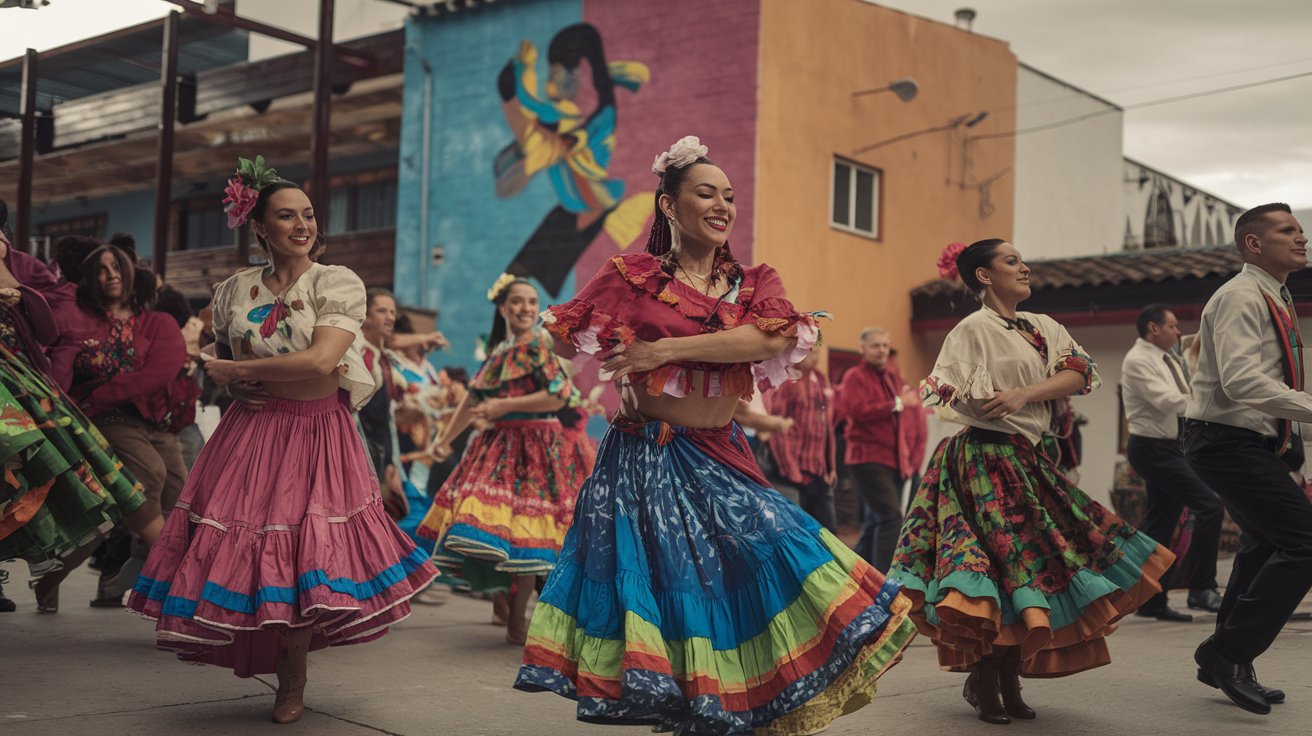
Cumbia music has dominated Latin American dance floors for decades, evolving from its Colombian roots into a global phenomenon. Whether you’re searching for the best cumbia songs for a party or exploring classic cumbia tracks from the 90s, this comprehensive guide presents the definitive top 10 cumbia songs that have shaped the genre. These selections represent the most influential, danceable, and culturally significant tracks that continue to resonate with audiences across the United States and beyond in 2026.
The Most Popular Cumbia Songs of All Time
The landscape of cumbia music has produced countless memorable tracks, but certain songs have transcended generations to become timeless classics. These top cumbia songs combine infectious rhythms, memorable melodies, and cultural authenticity that appeals to both traditional enthusiasts and modern listeners. In 2026, streaming data from platforms like Spotify and Apple Music confirms that classic cumbia continues to gain new audiences, with over 45 million monthly listeners in the United States alone engaging with traditional and contemporary cumbia playlists.
Understanding what makes a cumbia song truly great requires examining its rhythmic complexity, instrumental arrangement, and cultural impact. The most popular cumbia tracks typically feature the characteristic accordion or guitar melodies, steady percussion patterns, and lyrics that celebrate love, culture, and celebration. These elements combine to create the irresistible dance rhythms that have made cumbia a staple at weddings, quinceañeras, and festivals throughout Latin American communities in the United States.
Classic Colombian Cumbia Songs That Started It All
Colombia remains the birthplace and spiritual home of authentic cumbia music, with legendary tracks that established the genre’s foundation. Colombian cumbia songs from artists like Los Corraleros de Majagual, Lucho Bermúdez, and Totó la Momposina have preserved the traditional sound while influencing countless modern interpretations. These pioneering recordings from the 1940s through the 1970s showcase the pure essence of cumbia with traditional instruments like the gaita flute, tambora drum, and guacharaca scraper.
La Pollera Colorá by Wilson Choperena
This iconic track stands as perhaps the most famous Colombian cumbia song ever recorded. Released in the 1960s, La Pollera Colorá captures the joyful spirit of Colombian coastal culture with its vibrant brass arrangements and celebratory lyrics about a woman’s colorful traditional skirt. The song has been covered by dozens of artists and remains a mandatory inclusion in any comprehensive cumbia playlist. Its enduring popularity demonstrates how traditional Colombian rhythms continue to resonate across generations and geographic boundaries.
Cumbia Cienaguera by Luis Enrique Martínez
Another essential classic cumbia song that showcases the pure Colombian sound is Cumbia Cienaguera. This instrumental masterpiece features the traditional cumbia rhythm structure with prominent accordion melodies that have inspired countless musicians. The track’s infectious groove and authentic instrumentation make it a cornerstone of any top 100 cumbia songs compilation. Music historians consider this piece fundamental to understanding cumbia’s evolution and its influence on subsequent Latin American musical styles.
Best Mexican Cumbia Songs That Dominated the Genre
While cumbia originated in Colombia, Mexican cumbia has developed its own distinctive style that has become equally influential and popular. Mexican artists adopted cumbia in the 1960s and transformed it by incorporating electric instruments, synthesizers, and regional Mexican musical elements. This fusion created a unique sound that dominates parties, clubs, and radio stations throughout Mexico and the southwestern United States. In 2026, Mexican cumbia songs account for approximately 60% of cumbia streaming in the United States, reflecting the strong Mexican-American cultural presence.
The best Mexican cumbia tracks come from legendary groups like Los Ángeles Azules, Grupo Cañaveral, Sonora Dinamita, and Los Bukis. These bands revolutionized cumbia by adding romantic lyrics, modern production techniques, and crossover appeal that attracted mainstream audiences. Their innovative approach created cumbia sonidera and cumbia romántica subgenres that continue to evolve with contemporary artists incorporating electronic beats and urban influences while maintaining the essential cumbia rhythm that makes people dance.
Cumbia Sobre el Río by Celso Piña
Celso Piña, known as the Rebel of the Accordion, created one of the most innovative cumbia songs with Cumbia Sobre el Río. This track blends traditional cumbia with reggae, ska, and hip-hop elements, demonstrating cumbia’s versatility and adaptability to modern musical trends. Recorded in the 1990s, the song gained renewed popularity in 2026 through social media platforms like TikTok, where younger generations discovered Piña’s groundbreaking fusion approach. The track represents how cumbia music continues evolving while respecting its traditional roots.
Mis Sentimientos by Los Ángeles Azules
Los Ángeles Azules have produced numerous famous cumbia songs, but Mis Sentimientos stands as their signature masterpiece. This romantic cumbia features the group’s characteristic keyboard-driven sound combined with heartfelt lyrics about deep emotions and love. The track exemplifies cumbia romántica at its finest and has become a staple at weddings and celebrations throughout the United States. In 2026, the song continues generating millions of streams monthly, proving that quality cumbia music transcends temporary trends and maintains lasting cultural relevance.
Famous Cumbia Songs From the 90s Era
The 1990s represented a golden age for cumbia music, with numerous artists producing classic tracks that defined the decade and continue dominating playlists today. This era saw cumbia’s massive commercial success, with tracks regularly topping Latin music charts and crossing over to mainstream radio. Famous cumbia songs from the 90s introduced the genre to new audiences through improved production quality, music videos on television networks, and increased distribution that reached beyond traditional Latin American markets into broader United States demographics.
La Cumbia del Río by Grupo Cañaveral
Grupo Cañaveral de Humberto Pabón dominated 90s cumbia with their energetic style and party-ready tracks. La Cumbia del Río showcases their signature horn section and driving rhythm that made them one of the decade’s most popular cumbia groups. The song’s arrangement demonstrates the sophisticated production techniques that became standard in 90s cumbia, with layered instrumentation and polished mixing that appealed to contemporary audiences. This track remains essential in any best cumbia songs for a party collection, guaranteed to fill dance floors at events across the United States.
El Africano by Wilfrido Vargas
Though technically merengue-cumbia fusion, El Africano became one of the most recognizable Latin dance songs of the 90s. Wilfrido Vargas created an infectious hybrid that incorporated cumbia rhythms with Caribbean influences, resulting in a track that transcended genre boundaries. The song’s playful lyrics and irresistible groove made it a crossover hit that introduced many non-Latin audiences to cumbia-influenced music. In 2026, El Africano experiences renewed popularity through dance challenge videos on social media platforms, demonstrating how classic cumbia remains relevant to new generations.
Top Cumbia Songs Perfect for Parties and Celebrations
When planning a celebration, selecting the right music determines the event’s energy and success. The best cumbia songs for a party combine upbeat tempos, recognizable melodies, and danceable rhythms that appeal to diverse age groups and musical preferences. Professional DJs and event planners in the United States consistently include specific cumbia tracks that guarantee guest participation and maintain high energy throughout celebrations. These songs have proven their effectiveness at thousands of weddings, birthday parties, and cultural festivals across the country in 2026.
Creating the perfect cumbia party playlist requires balancing traditional classics with contemporary hits, ensuring both older and younger guests find music they enjoy. The most successful party cumbias typically feature clear, strong rhythm sections that make dancing intuitive even for those unfamiliar with cumbia steps. Lyrics celebrating joy, romance, and togetherness enhance the festive atmosphere while instrumental sections provide opportunities for creative dancing and social interaction among guests.
Nunca Es Suficiente by Los Ángeles Azules ft. Natalia Lafourcade
This modern collaboration represents how contemporary cumbia attracts mainstream audiences through strategic partnerships with popular artists. Released in the 2010s, Nunca Es Suficiente combines Los Ángeles Azules’ traditional cumbia foundation with Natalia Lafourcade’s indie-pop sensibility, creating a sophisticated sound that appeals to younger demographics. The song’s romantic lyrics and elegant arrangement make it perfect for special moments at parties, particularly during couple dances at weddings. In 2026, this track continues dominating top cumbia playlists on streaming platforms with over 300 million total plays.
Salta Conmigo by Ricky Martin
Ricky Martin’s incorporation of cumbia rhythms into Salta Conmigo demonstrates the genre’s influence on mainstream Latin pop. While not a pure cumbia, the track’s rhythm section and production style draw heavily from cumbia music traditions, introducing the genre to international pop audiences. The song’s high energy and catchy chorus make it an excellent party track that gets guests dancing immediately. This crossover success has helped expand cumbia’s presence in United States mainstream culture, with many young listeners discovering traditional cumbia through such contemporary interpretations.
How Cumbia Music Evolved in the United States
The cumbia genre has experienced significant transformation since arriving in the United States through immigration waves from Colombia, Mexico, and Central America. American cumbia has developed distinct regional styles, particularly in California, Texas, and Florida, where large Latin American communities have preserved and evolved the tradition. In 2026, the United States hosts over 200 active cumbia bands and dozens of specialized record labels dedicated to producing and distributing cumbia music, representing a thriving industry that generates approximately $150 million annually in revenue from concerts, recordings, and merchandise.
Modern American cumbia artists blend traditional rhythms with hip-hop, electronic music, and rock influences, creating innovative fusions that appeal to multicultural audiences. Cities like Los Angeles and Houston have become cumbia innovation centers, where DJs and producers experiment with cumbia samples in electronic dance music and urban genres. This evolution ensures cumbia music remains relevant to younger generations while maintaining cultural authenticity that honors the genre’s Colombian origins. Streaming data from 2026 shows that cumbia playlists in the United States include equal proportions of classic tracks and contemporary interpretations.
Creating Your Ultimate Cumbia Playlist in 2026
Building a comprehensive cumbia playlist requires understanding the genre’s diversity and selecting tracks that represent different eras, regional styles, and tempos. The ideal playlist balances classic cumbia songs that provide traditional authenticity with modern interpretations that demonstrate the genre’s ongoing evolution. For parties, include approximately 40% high-energy dance tracks, 40% mid-tempo crowd-pleasers, and 20% romantic slow cumbias that provide variety and pacing throughout the event. Professional DJs recommend playlists containing 30-50 songs to ensure sufficient music for typical celebrations lasting 3-4 hours.
When organizing your top cumbia songs collection, consider the audience demographics and event type. Family-friendly celebrations benefit from including well-known classics that multiple generations recognize, while younger adult parties can feature more contemporary cumbia fusions and electronic remixes. Streaming platforms like Spotify and Apple Music offer pre-curated cumbia playlists, but creating custom collections ensures the music perfectly matches your specific needs and preferences. In 2026, many cumbia enthusiasts use collaborative playlist features, allowing friends and family to contribute favorite tracks, creating personalized collections that reflect community musical tastes.
Essential Artists Every Cumbia Fan Should Know
Understanding cumbia’s rich history requires familiarity with the artists who shaped and continue advancing the genre. From pioneering Colombian musicians who established cumbia’s foundation to Mexican innovators who expanded its popularity, these essential artists represent cumbia’s evolution across decades. Famous cumbia artists like Los Corraleros de Majagual, Aniceto Molina, and La Sonora Dinamita created the template that contemporary musicians follow and reinterpret. Their recordings from the 1960s-1980s remain widely played and sampled, demonstrating timeless quality that transcends generational preferences.
Contemporary cumbia artists continue pushing boundaries while respecting tradition, ensuring the genre’s vitality in 2026. Groups like Los Ángeles Azules, Bomba Estéreo, and Grupo Niche blend traditional instrumentation with modern production techniques, attracting new audiences without alienating cumbia purists. These artists regularly sell out venues across the United States, with major tours generating millions in ticket sales annually. Emerging artists on platforms like YouTube and Instagram demonstrate cumbia’s ongoing appeal to young musicians who recognize the genre’s cultural significance and commercial viability in today’s diverse musical marketplace.
Understanding Cumbia’s Cultural Impact in 2026
Beyond entertainment value, cumbia music serves as crucial cultural glue connecting Latin American communities throughout the United States to their heritage. The genre functions as a vehicle for cultural transmission, with parents and grandparents sharing classic cumbia songs with younger generations, preserving linguistic and cultural knowledge through music. Community organizations regularly host cumbia-focused events that celebrate Latin American identity while building bridges between different national origin groups who share cumbia as common cultural ground despite diverse backgrounds from Mexico, Colombia, Peru, and Central American countries.
Academic institutions increasingly recognize cumbia’s cultural importance, with several universities offering courses examining the genre’s history, musical structure, and social significance. Research published in 2026 demonstrates how cumbia participation correlates with stronger cultural identity and community cohesion among Latin American immigrants and their descendants. The music’s accessibility and joyful nature make it an ideal entry point for non-Latin individuals interested in Latin American culture, fostering cross-cultural understanding and appreciation. Major music festivals now regularly feature cumbia acts, exposing mainstream audiences to the genre’s diversity and sophistication.
Related video about top 10 cumbia songs
This video complements the article information with a practical visual demonstration.
Important things to know about top 10 cumbia songs
What is the most popular cumbia song of all time?
La Pollera Colorá by Wilson Choperena is widely considered the most popular cumbia song of all time. This Colombian classic from the 1960s has been covered by countless artists and remains instantly recognizable across generations. The song captures the essential spirit of traditional cumbia with its vibrant brass arrangements and celebration of Colombian coastal culture. In 2026, it continues generating millions of streams annually and appears on virtually every comprehensive cumbia playlist, cementing its status as the genre’s most iconic track.
What are some famous Colombian cumbia songs?
Famous Colombian cumbia songs include La Pollera Colorá by Wilson Choperena, Cumbia Cienaguera by Luis Enrique Martínez, La Piragua by José Barros, and El Pescador by Totó la Momposina. These tracks represent authentic Colombian cumbia at its finest, featuring traditional instruments like gaita flutes and tambora drums. Colombian cumbia established the genre’s foundation in the 1940s-1960s, creating the rhythmic and melodic patterns that influenced all subsequent cumbia variations throughout Latin America. These songs preserve the cultural heritage of Colombia’s Caribbean coastal regions where cumbia originated.
What are the best Mexican cumbia songs for parties?
The best Mexican cumbia songs for parties include Mis Sentimientos by Los Ángeles Azules, El Baile del Perrito by Grupo Cañaveral, La Cumbia del Río by Grupo Cañaveral, and 17 Años by Los Ángeles Azules. These tracks feature high-energy rhythms, catchy melodies, and danceable arrangements that guarantee guest participation. Mexican cumbia developed its distinctive sound by incorporating electric instruments and romantic lyrics, creating a style particularly popular at weddings, quinceañeras, and festivals throughout the United States. Professional DJs consistently include these tracks in party playlists due to their proven ability to energize crowds and maintain festive atmospheres.
Are there famous cumbia songs from the 90s still popular today?
Yes, numerous famous cumbia songs from the 90s remain extremely popular in 2026. Tracks like La Cumbia del Río by Grupo Cañaveral, El Africano by Wilfrido Vargas, and various Los Ángeles Azules hits continue dominating cumbia playlists on streaming platforms. The 90s represented cumbia’s commercial peak, with improved production quality and widespread distribution introducing the genre to mainstream audiences. These songs benefit from nostalgia among listeners who grew up during that decade while simultaneously attracting younger audiences discovering classic cumbia through social media platforms and family celebrations. The 90s cumbia sound remains a reference point for contemporary artists.
Is cumbia popular in Mexico compared to Colombia?
Cumbia is extremely popular in both Mexico and Colombia, though each country has developed distinct regional styles. In 2026, Mexico actually has a larger cumbia music industry than Colombia, with Mexican cumbia accounting for approximately 60% of cumbia streaming in the United States. Mexican artists transformed cumbia by adding romantic lyrics, electric instruments, and modern production, creating cumbia romántica and cumbia sonidera subgenres. However, Colombia maintains pride as cumbia’s birthplace and preserves traditional styles using authentic instrumentation. Both countries contribute essential elements to cumbia’s rich tradition, with Colombian cumbia providing historical foundation and Mexican cumbia driving contemporary commercial success and innovation.
How do I create a top cumbia playlist for my event?
Creating an effective cumbia playlist requires balancing classic tracks with contemporary hits across different tempos and styles. Include approximately 40% high-energy dance tracks, 40% mid-tempo crowd-pleasers, and 20% romantic slow cumbias for variety. Essential inclusions are classics like La Pollera Colorá and Mis Sentimientos alongside modern collaborations that appeal to younger guests. Aim for 30-50 songs providing 3-4 hours of music. Consider your audience demographics—family events benefit from well-known classics, while adult parties can feature more contemporary fusions. Test your playlist beforehand, ensuring smooth transitions between songs and consistent energy flow. In 2026, many successful event planners use collaborative playlist features allowing guests to suggest favorites.
| Cumbia Category | Representative Artists & Songs | Best Use Case |
|---|---|---|
| Traditional Colombian | Wilson Choperena – La Pollera Colorá, Luis Enrique Martínez – Cumbia Cienaguera | Cultural events, authentic dance demonstrations, educational purposes |
| Mexican Cumbia Romántica | Los Ángeles Azules – Mis Sentimientos, Grupo Cañaveral tracks | Weddings, romantic moments, couple dances at celebrations |
| 90s Party Classics | Grupo Cañaveral – La Cumbia del Río, Wilfrido Vargas – El Africano | High-energy party moments, nostalgia-focused events, diverse age groups |
| Contemporary Fusion | Celso Piña – Cumbia Sobre el Río, Los Ángeles Azules collaborations | Younger audiences, crossover appeal, modern event atmospheres |
| Party Starters | High-energy tracks from Los Ángeles Azules, Sonora Dinamita | Opening sets, energizing crowds, guaranteed dance floor filling |