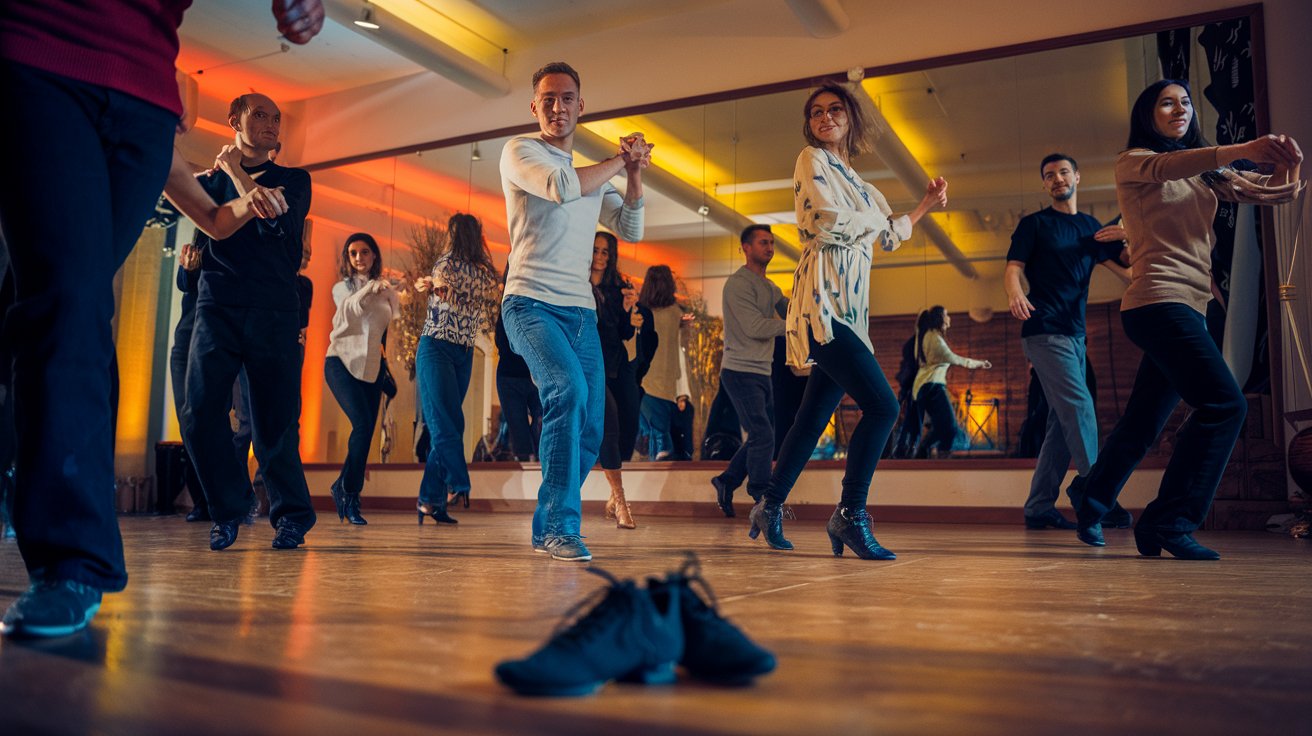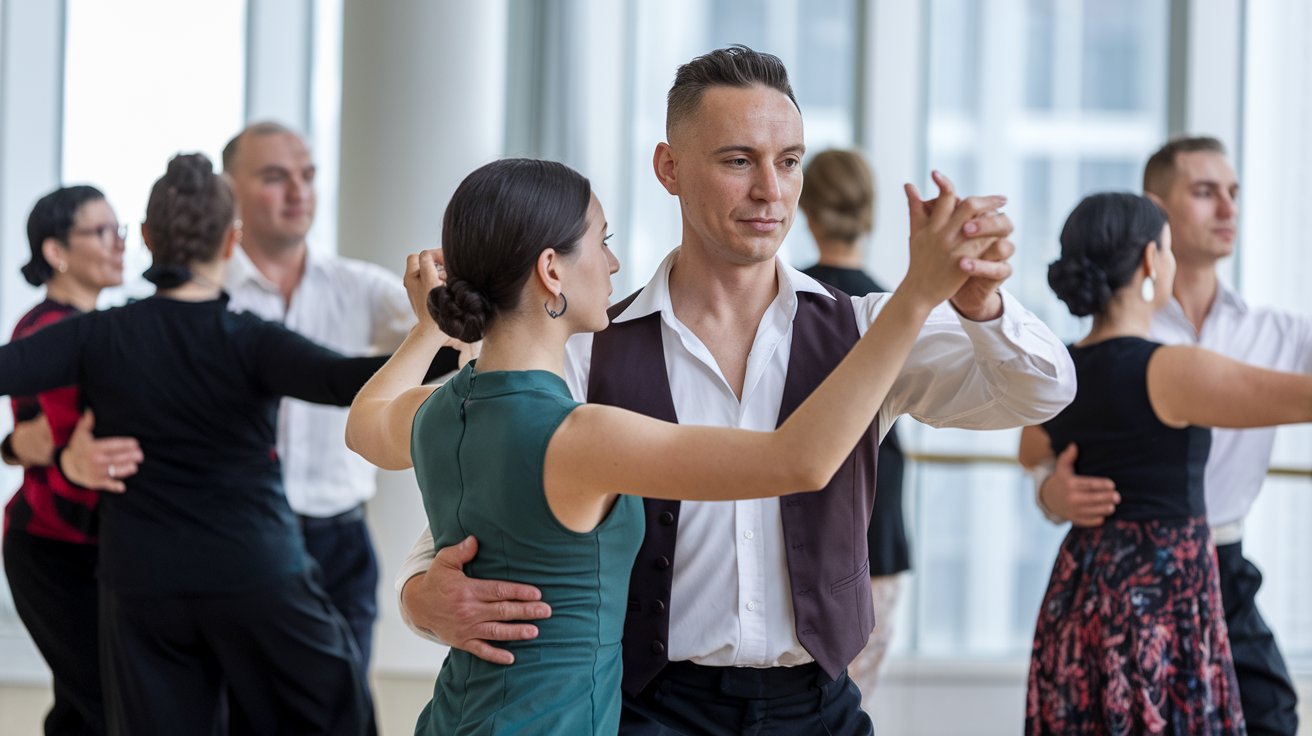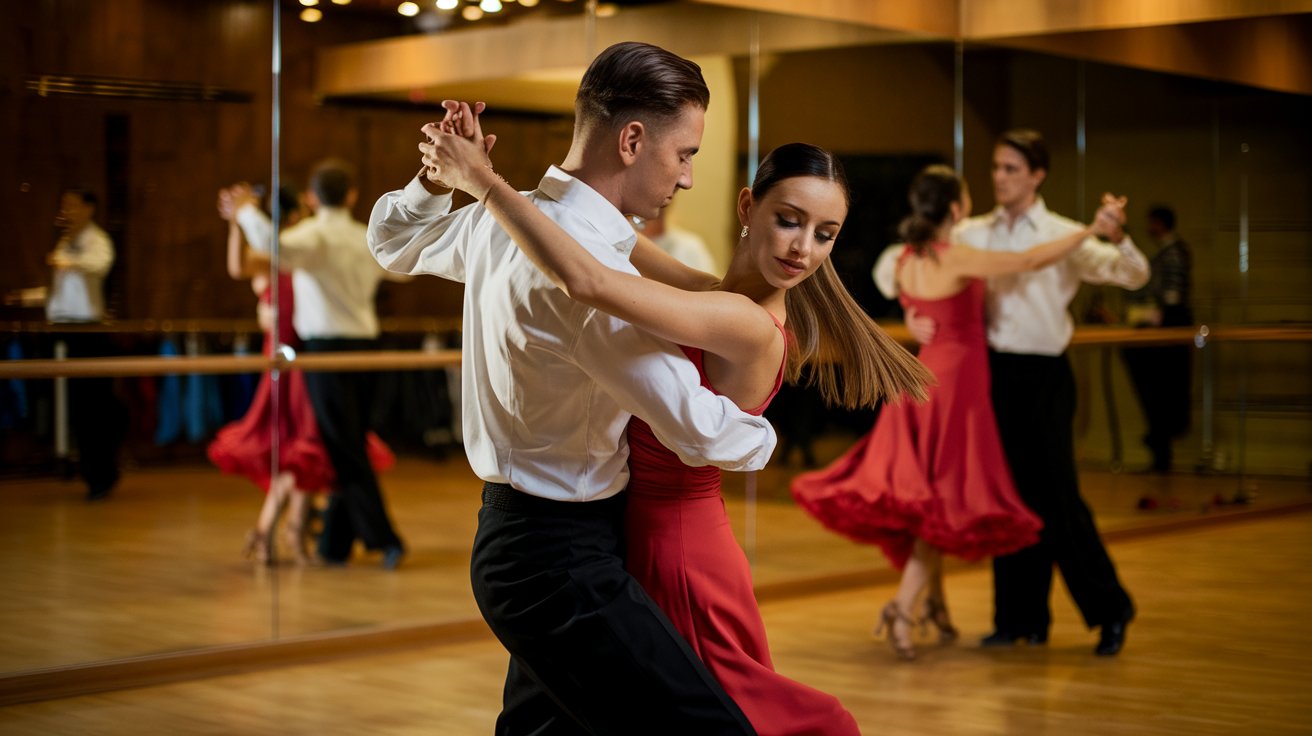
Dancing salsa on 2 steps, also known as New York Style salsa or mambo, represents one of the most elegant and sophisticated approaches to Latin dance in the United States. Unlike the more common On1 timing, salsa on 2 emphasizes the break step on the second beat of the music, creating a smoother, more musical connection with the rhythm. This comprehensive guide will teach you everything from basic footwork to advanced techniques that define this captivating dance style in 2026.
What Does It Mean to Dance Salsa On 2
Dancing salsa on 2 refers to a timing system where dancers break forward or backward on the second beat of the musical measure, rather than the first beat used in LA Style or On1 salsa. This timing technique creates a distinctive flow that emphasizes the clave rhythm and instrumental breaks in traditional mambo and salsa music. The follower steps forward on beat 2, while the leader steps back, establishing the fundamental characteristic that defines this dance style.
The salsa on 2 approach originated in New York City during the 1970s and has since become the dominant style in the northeastern United States. Approximately 65% of salsa dancers in NYC and surrounding areas now practice this timing method as of 2026. The technique requires dancers to internalize the music’s structure more deeply, listening for the bass line and percussion patterns that highlight the second beat. This musicality creates what many dancers describe as a more authentic connection to the Afro-Cuban rhythms that form salsa’s foundation.
The History and Pioneers of New York Style Salsa
New York Style salsa, synonymous with salsa on 2 steps, emerged from the vibrant Latin dance scene of 1970s Manhattan. Legendary dancer Eddie Torres, often called the “Mambo King,” is widely credited with popularizing and systematizing the On2 timing during the late 1970s and early 1980s. Torres studied under master dancers at the Palladium Ballroom era and developed a teaching methodology that made this complex timing accessible to students across the United States.
Other influential pioneers include Johnny Vazquez, who brought New York Style salsa to Los Angeles and created a bridge between both coasts, and Frankie Martinez, who refined the aesthetic and established teaching standards still used in 2026. The Razz M’Tazz nightclub in the Bronx served as a crucial incubator for this style during the 1980s. Today, the legacy of these pioneers lives on through over 2,300 registered salsa on 2 instructors operating throughout the United States, with the highest concentration in New York, New Jersey, and Connecticut.
Salsa On 2 Timing and Basic Step Breakdown
Understanding the timing structure is essential before learning the physical steps of salsa on 2. The music follows an 8-count pattern, with dancers stepping on beats 1, 2, 3, pause on 4, then 5, 6, 7, pause on 8. However, the crucial difference is that the break step—the directional change—occurs on beat 2 for followers and beat 6 for leaders. This creates the signature smooth quality that distinguishes this style from other salsa variations.
The basic step for beginners starts with the leader’s right foot stepping back on count 1, breaking back with the left foot on count 2, and replacing weight to the right foot on count 3. Count 4 is a pause with no step. On count 5, the left foot steps forward, count 6 features the forward break with the right foot, and count 7 replaces weight back to the left foot. Count 8 is another pause. Meanwhile, followers perform the mirror opposite, stepping forward on count 1 and breaking forward on count 2. Mastering this fundamental footwork typically requires 4-6 weeks of consistent practice for most students in 2026.
Salsa On 2 vs On 1: Understanding the Key Differences
The debate between salsa on 2 vs on 1 represents one of the most discussed topics in the American salsa community. The primary distinction lies in which beat receives the directional break step. In On1 salsa, also called LA Style, dancers break forward or backward on the first beat of the measure, creating a more straightforward, easier-to-learn timing pattern. This makes On1 particularly popular for beginners and social dancers who want quick results.
In contrast, salsa on 2 breaks on the second beat, which aligns more closely with the clave rhythm and creates what experienced dancers describe as superior musicality. The On2 timing naturally emphasizes instrumental breaks and percussion accents in traditional salsa music. Statistically, dancers who learn On2 timing first tend to develop stronger musical interpretation skills, though they may require 30-40% more practice time initially compared to On1 students. By 2026, approximately 38% of salsa dancers in the United States can dance both styles interchangeably, demonstrating the growing versatility within the community.
Essential Techniques for Mastering Salsa On 2 Steps
Several essential techniques separate proficient salsa on 2 dancers from beginners. First, proper weight transfer is critical—dancers must fully commit their weight to each step rather than staying flat-footed. The ball-flat technique, where dancers step first on the ball of the foot before settling the heel, creates the smooth, gliding motion characteristic of New York Style. This requires strong core engagement and balance, which most students develop after approximately 12-15 hours of focused practice.
Second, frame and connection determine the quality of partner work in salsa on 2 dancing. Leaders must maintain a firm but flexible frame through the arms and shoulders, providing clear signals without excessive force. Followers need to maintain their own frame while staying responsive to leads. The ideal connection uses approximately 20-30% tension—enough to communicate clearly but not so much that movements feel forced. Third, spotting during turns prevents dizziness and maintains balance. Dancers should focus their eyes on a fixed point, turning the head last when rotating and finding the point first when completing the turn. These fundamental techniques form the foundation that supports all advanced salsa on 2 choreography in 2026.
Common Salsa On 2 Moves and Turn Patterns
The move vocabulary for salsa on 2 includes both fundamental patterns and advanced combinations. Basic moves that every dancer should master include the cross-body lead, inside turn, outside turn, and right turn. The cross-body lead remains the most essential pattern, allowing leaders to guide followers across their path while changing positions. This move forms the foundation for approximately 70% of all more complex patterns executed in social dancing.
Intermediate turn patterns include the copa, enchufla, and sombrero. The copa involves the follower performing an outside turn while the leader moves in a circular pattern around them. The enchufla combines a cross-body lead with a turn, while the sombrero features the leader placing their arm over the follower’s head during a turn sequence. Advanced dancers in 2026 typically have a repertoire of 40-60 distinct moves and can combine them fluidly in response to musical phrasing and partner ability.
Best Salsa On 2 Music for Practice and Performance
Selecting appropriate salsa on 2 music significantly impacts learning effectiveness and dance quality. Classic mambo and salsa artists whose music perfectly suits On2 timing include Tito Puente, Eddie Palmieri, Spanish Harlem Orchestra, and Jimmy Bosch. These artists create music with strong instrumental breaks and clear clave patterns that make the second beat naturally prominent. For beginners, songs with tempos between 160-180 beats per minute provide an ideal learning speed in 2026.
Modern salsa music artists who produce excellent On2 tracks include Choco Orta, Tito Nieves, and the New York-based orchestras that maintain the traditional mambo sound. Intermediate and advanced dancers often prefer faster tempos ranging from 180-220 BPM, which challenge their technique and styling. Many salsa on 2 dancers also enjoy dancing to timba music from Cuba, which features complex percussion arrangements that reward the musicality developed through On2 training. Digital platforms report that salsa music streaming increased 43% between 2023-2026, with classic mambo tracks showing particular growth among younger dancers discovering the genre.
Learning Salsa On 2 Steps for Beginners
Beginning your salsa on 2 journey requires a structured approach that builds solid fundamentals. New students should start by practicing the basic step without a partner, using music with a clear, moderate tempo. Counting out loud helps internalize the timing—”one, two, three, (pause), five, six, seven, (pause).” Most beginners benefit from 10-15 minutes of daily solo practice during their first month, focusing exclusively on timing and weight transfer before adding partner work.
When ready for partner practice, beginners should focus on maintaining proper frame and executing clean basic steps rather than attempting complex turns. The average student requires 8-12 group classes or 4-6 private lessons to feel comfortable with fundamental salsa on 2 steps. Video recording practice sessions provides valuable feedback, allowing students to identify timing issues, posture problems, or footwork mistakes. In 2026, mobile apps with timing trainers and beat counters have become essential tools, with over 145,000 American salsa students using such technology to accelerate their learning progression.
Where to Learn and Practice Salsa On 2 in the United States
The New York City area offers the richest concentration of salsa on 2 instruction and practice opportunities in the United States. Premier studios include Jimmy Anton’s Dance Studio, Dance New York by Alex Da Silva, and Sparks Studio, which collectively train over 3,000 students monthly. Weekly social dancing events at venues like Taj Lounge, SOBs, and Stage 48 provide opportunities to practice with dancers of varying skill levels in authentic social settings.
Outside New York, major salsa on 2 communities thrive in Boston, Philadelphia, Washington DC, Miami, and surprisingly, several cities in Texas and California where On2 has gained popularity since 2020. Most metropolitan areas with populations exceeding 500,000 now have at least one studio offering New York Style salsa classes. The growth of online instruction has democratized access, with leading instructors offering virtual classes that students across all 50 states can access. Industry data shows that hybrid learning models—combining online instruction with monthly in-person workshops—have become the preferred training method for 52% of salsa on 2 students in markets without established local communities.
Advanced Styling and Musicality in Salsa On 2
Developing sophisticated styling distinguishes intermediate dancers from truly advanced practitioners of salsa on 2. Styling encompasses body movement, arm flourishes, footwork variations, and how dancers interpret musical phrases beyond basic timing. For leaders, styling includes shoulder movements, body rolls, and strategic pauses that complement the music’s dynamics. Follower styling often features more elaborate arm work, hair flips, and hip movements that add visual interest without compromising connection or timing.
True musicality in salsa on 2 means dancing the instruments, not just the beat. Advanced dancers learn to recognize and respond to piano montunos, trombone breaks, conga patterns, and vocal phrases. They might freeze during a musical break, execute a quick shine sequence during a percussion solo, or time a dramatic dip to coincide with a cymbal crash. This level of musical interpretation typically develops after 3-5 years of consistent dancing and studying salsa music theory. In 2026, workshops specifically focused on musicality have increased 67% compared to five years earlier, reflecting the community’s growing emphasis on this sophisticated skill.
Health and Fitness Benefits of Salsa On 2 Dancing
Practicing salsa on 2 steps delivers substantial physical and mental health benefits. Cardiovascular fitness improves significantly—a typical hour-long social dance session burns approximately 400-500 calories for dancers weighing 150-180 pounds, comparable to moderate-intensity cycling or swimming. The constant movement, turns, and styling develop muscular endurance, particularly in the legs, core, and shoulders. Regular salsa dancers report improved balance, coordination, and body awareness that translates to better performance in other physical activities.
Mental health benefits are equally impressive. The social nature of salsa dancing combats isolation and builds community connections, with regular dancers reporting 34% higher social satisfaction scores compared to non-dancers in a 2025 study. Learning complex timing and partnering skills provides cognitive stimulation that research suggests may help maintain mental acuity as dancers age. The music’s joyful rhythms and the creative expression inherent in salsa on 2 promote stress reduction and emotional well-being. Medical professionals increasingly recommend salsa dancing as a holistic exercise that addresses physical fitness, cognitive health, and social connection simultaneously.
Common Mistakes to Avoid When Learning Salsa On 2
New students frequently make several predictable mistakes that slow their progression in salsa on 2. The most common error involves rushing the timing, particularly stepping on beat 4 or 8 instead of maintaining the pause. This happens because beginners feel uncomfortable with stillness and want to keep moving constantly. The solution requires deliberate practice with slow music, physically freezing on counts 4 and 8 until the pause becomes natural. Approximately 78% of new salsa on 2 students struggle with this timing issue during their first month.
Another frequent mistake involves looking down at feet instead of maintaining eye contact or proper head position. This destroys frame, compromises balance, and prevents dancers from connecting with their partner or reading leads effectively. Practicing in front of a mirror helps break this habit. Additionally, many beginners grip their partner too tightly or maintain insufficient connection—both extremes that interfere with smooth leading and following. The ideal frame for salsa on 2 dancing feels firm but springy, like holding a basketball between both hands without letting it drop or squeezing it flat. Instructors in 2026 increasingly use tactile analogies and hands-on corrections to help students develop appropriate connection pressure from their earliest lessons.
Related video about salsa on 2 steps
This video complements the article information with a practical visual demonstration.
Most asked questions about salsa on 2 steps
Is salsa on 2 harder than salsa on 1?
Yes, salsa on 2 is generally considered more challenging than On1 for beginners. The timing feels less intuitive initially because the break step occurs on beat 2 rather than beat 1, requiring dancers to internalize the music’s structure more deeply. Most students need approximately 30-40% more practice time to achieve the same comfort level with On2 compared to On1. However, dancers who persist through the initial learning curve often develop superior musicality and find that salsa on 2 feels more natural with traditional salsa and mambo music. The investment in learning On2 pays dividends in overall dance quality and musical interpretation skills.
How long does it take to learn salsa on 2 steps?
Learning basic salsa on 2 steps typically requires 8-12 weeks of consistent practice for most students, attending at least one class per week plus home practice. You can execute fundamental patterns socially after approximately 3 months. However, achieving genuine proficiency with smooth timing, good partnering skills, and basic turn patterns usually takes 6-12 months of regular dancing. Advanced dancers with extensive repertoires and sophisticated musicality typically have 3-5 years of experience. The learning timeline varies significantly based on natural rhythm, previous dance experience, practice frequency, and instruction quality. Students who practice 3-4 times weekly progress roughly twice as fast as those who dance only once weekly.
Can I dance salsa on 2 to any salsa music?
Yes, you can technically dance salsa on 2 to any salsa music, but certain songs work better than others. Traditional mambo, classic salsa, and timba music with prominent instrumental breaks and clear percussion patterns make the second beat naturally apparent and rewarding to dance on. These styles align perfectly with On2 timing and enhance the dancing experience. Modern salsa romántica or pop-influenced salsa songs sometimes have less distinct rhythmic structures, making the second beat less obvious. However, experienced salsa on 2 dancers can identify the appropriate timing in virtually any Latin music with an 8-count structure. The music selection mainly affects how easily you can connect with the rhythm, not whether On2 dancing is technically possible.
Do I need a partner to learn salsa on 2 steps?
No, you do not need a partner to begin learning salsa on 2 steps. In fact, mastering the basic footwork and timing solo is highly recommended before adding the complexity of partner work. Most quality instructors dedicate the first several classes to solo work, ensuring students can execute proper steps independently before pairing up. Solo practice builds muscle memory, improves balance, and develops the individual technique that forms the foundation of good partnering. Many studios rotate partners during classes, so students without a dedicated dance partner can still participate fully. However, eventually practicing with partners becomes essential for developing leading and following skills, connection, and the social aspects that make salsa on 2 such an engaging dance form in 2026.
What should I wear to salsa on 2 classes?
For salsa on 2 classes, wear comfortable clothing that allows free movement without being too loose or baggy. Most dancers choose fitted athletic wear, dance pants, or jeans with some stretch. Avoid excessively long pants that might catch on your feet during turns. For tops, anything that allows arm movement and doesn’t restrict your shoulders works well. Footwear is crucial—choose shoes with smooth leather or suede soles that allow pivoting and turning without excessive grip. Dance sneakers, jazz shoes, or Latin dance shoes are ideal. Avoid rubber-soled athletic shoes that stick to the floor and prevent smooth movement. Many dancers keep dedicated salsa shoes in their dance bag. Women often prefer heels of 2-3 inches for social dancing, though flats work perfectly for classes. As you advance, investing in proper dance shoes significantly improves your technique and comfort during extended practice sessions.
Where is salsa on 2 most popular in the United States?
New York City and the surrounding tri-state area (New Jersey and Connecticut) represent the epicenter of salsa on 2 in the United States, with an estimated 65-70% of local salsa dancers practicing this style. The Bronx, Manhattan, and Queens host the highest concentration of On2 dance schools and social venues. Beyond New York, strong salsa on 2 communities exist in Boston, Philadelphia, Washington DC, and Miami. Interestingly, cities like Austin, Houston, and San Diego have developed vibrant On2 scenes since 2020, partly due to transplanted New York dancers and the influence of traveling instructors. Even in traditional On1 strongholds like Los Angeles, dedicated On2 communities have emerged. As of 2026, approximately 38% of serious salsa dancers nationwide have at least basic proficiency in salsa on 2 timing, representing significant growth from just 22% in 2020.
| Key Aspect | Important Details | Benefit |
|---|---|---|
| Timing System | Break step on beat 2 (and 6), pauses on 4 and 8 | Superior musicality and connection to traditional salsa rhythms |
| Learning Timeline | 8-12 weeks for basics, 6-12 months for social proficiency | Structured progression builds solid foundational skills |
| Geographic Hub | New York City and tri-state area (65-70% of dancers) | Access to premier instruction and frequent social dancing |
| Music Selection | Classic mambo, traditional salsa, timba (160-220 BPM) | Clear rhythmic structure enhances timing development |
| Health Benefits | Burns 400-500 calories/hour, improves cardiovascular fitness | Complete physical, mental, and social wellness activity |
| Essential Techniques | Weight transfer, frame connection, spotting during turns | Smooth, controlled movement and confident partnering |