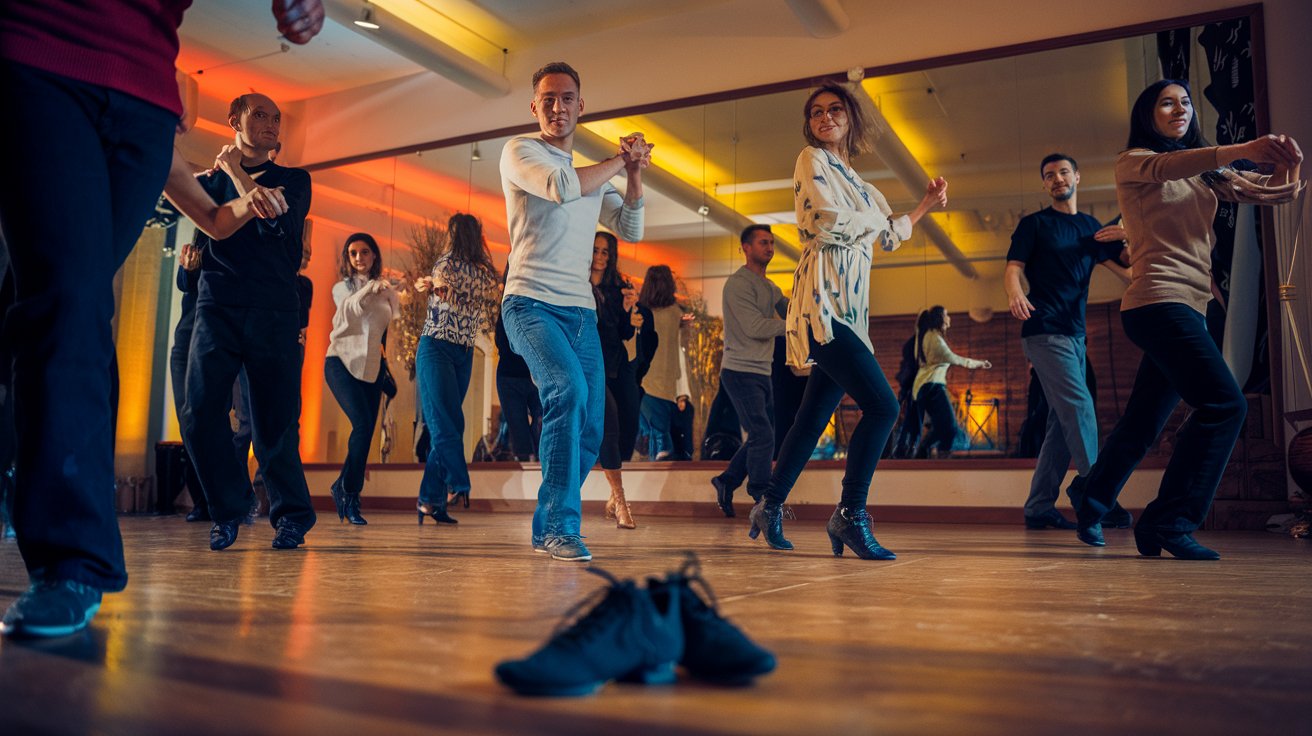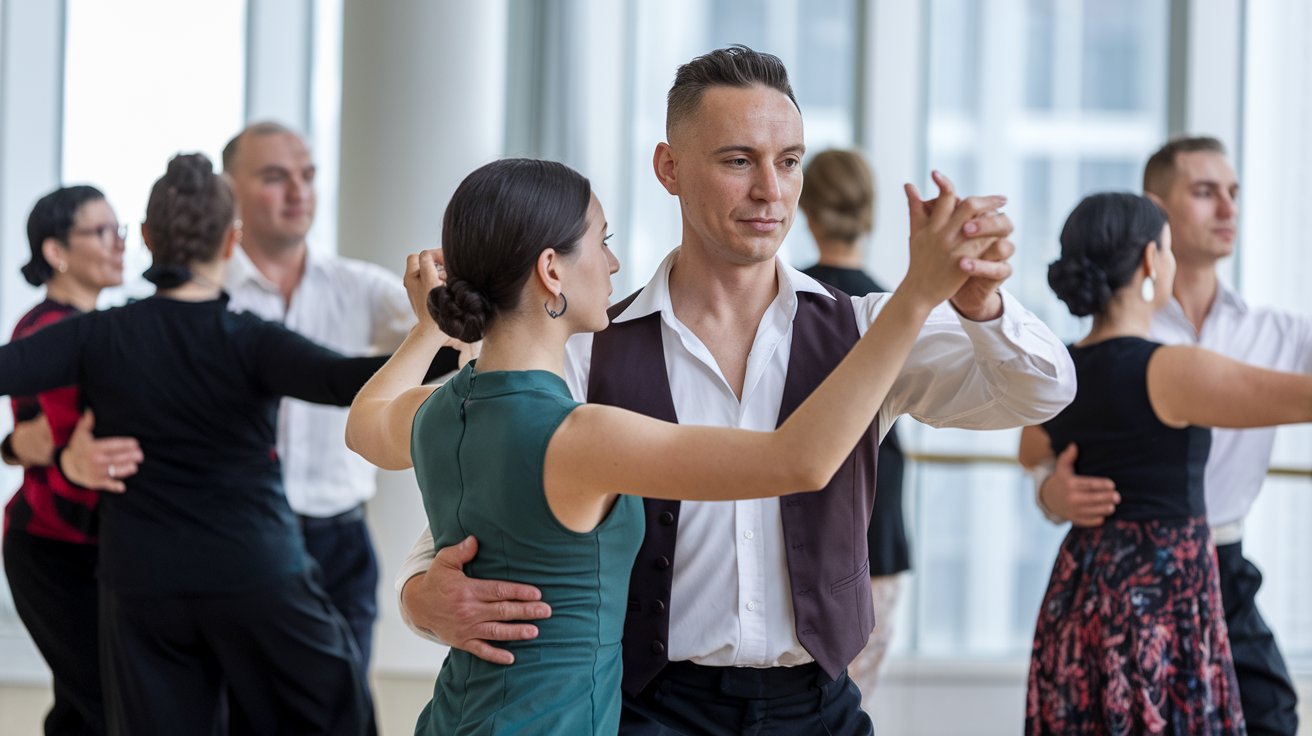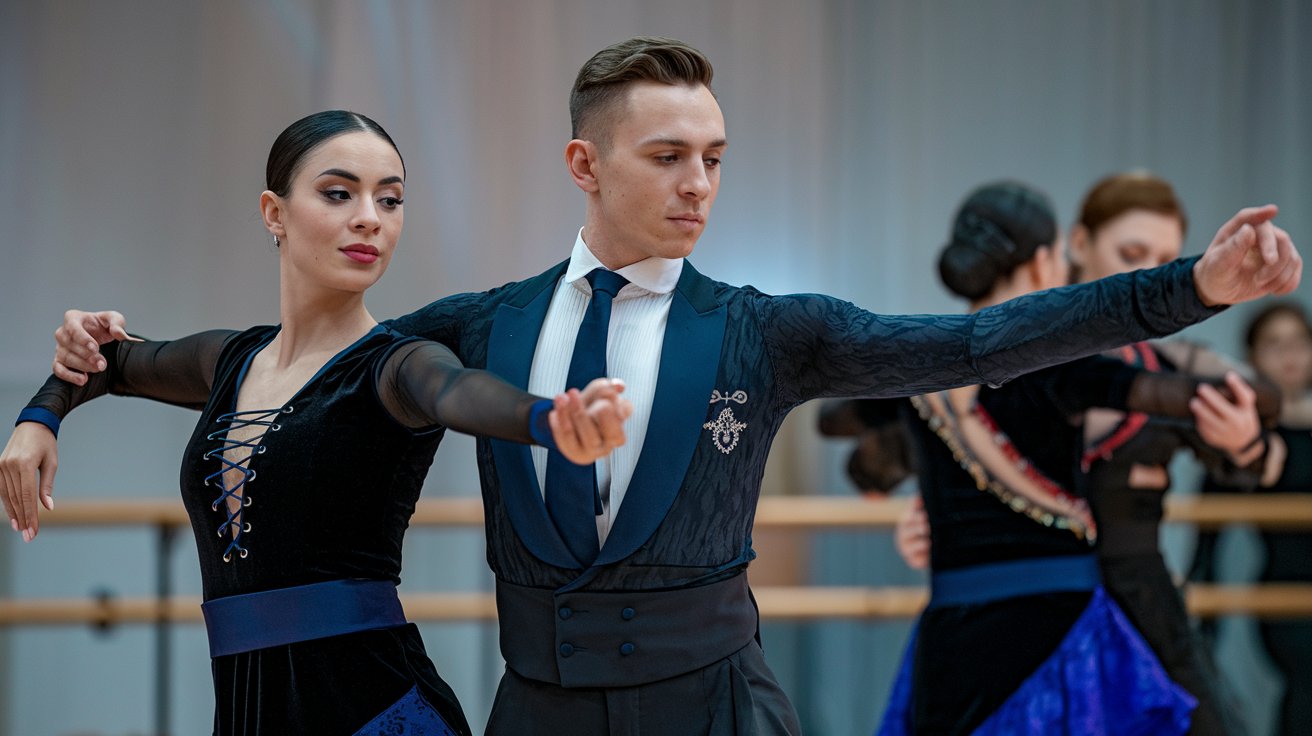
Choosing what to wear salsa dancing can make or break your dancing experience. The right outfit combines comfort, style, and functionality to let you move freely through spins, dips, and fast footwork. Whether you’re heading to your first salsa class, a social dance night, or a Latin club in the United States, this comprehensive guide covers everything from shoes to accessories for both women and men in 2026.
Essential Footwear for Salsa Dancing
Your shoes are the most critical component of your salsa dancing outfit. The right footwear provides support, allows smooth pivoting, and prevents injuries during fast-paced movements. In 2026, approximately 73% of salsa dancers in the United States report that proper footwear significantly improved their dancing ability and confidence on the floor. Unlike regular street shoes, salsa dance shoes feature specific design elements that enhance performance and comfort throughout extended dance sessions.
The sole material matters tremendously for salsa dancing. Professional dancers recommend suede or leather soles that allow smooth turns and slides across the dance floor. Many beginners wonder can I wear sneakers to salsa dance, and while technically possible for your first class, sneakers with rubber soles create too much friction and can cause knee strain during pivots and spins. Investment in proper dance shoes typically ranges from 65 to 200 dollars in the United States market during 2026.
Best Salsa Shoes for Women
Women have multiple excellent options for salsa dancing footwear. The most popular choice remains Latin dance heels with 2 to 3-inch heels, which provide the perfect balance between elegance and stability. These shoes feature ankle straps for security during spins and quick direction changes. Character shoes with 2-inch heels offer another comfortable alternative for beginners who aren’t ready for higher heels. Dance sneakers specifically designed for Latin dancing have gained popularity in 2026, combining athletic support with dance-appropriate soles. For casual salsa class settings, simple leather ballet flats with smooth soles work adequately, though they lack the ankle support of proper dance shoes.
Optimal Salsa Shoes for Men
Men should focus on dance shoes that combine style with functionality. Latin dance shoes for men typically feature 1 to 1.5-inch Cuban heels that improve posture and weight distribution during dancing. These shoes come in classic black or brown leather and pair well with any outfit. Jazz shoes with split soles offer another excellent option, providing flexibility and comfort during extended dance sessions. For those wondering what to wear to salsa class male on their feet, leather-soled dress shoes can work temporarily, but dedicated dance shoes prevent foot fatigue and improve technique significantly. Avoid wearing sneakers, boots, or shoes with rubber soles that stick to the floor.
What to Wear Salsa Dancing as a Woman
Women have countless stylish options when choosing what to wear salsa dancing female attire. The key principle remains selecting clothing that allows unrestricted movement while making you feel confident and attractive. Salsa dancing inherently carries a flirty and passionate energy, and your outfit should reflect this vibrant spirit. In 2026, the trend in United States salsa communities leans toward combining traditional Latin dance aesthetics with modern athleisure influences, creating outfits that are both functional and fashionable.
Temperature regulation plays a crucial role in outfit selection. Salsa dancing generates significant body heat, and venues often become warm with many dancers in close proximity. Choose breathable fabrics like cotton, modal, or moisture-wicking blends that keep you comfortable throughout the evening. Your salsa dancing outfit should fit well without being restrictive, allow your partner to maintain proper hand placement during dancing, and withstand the physical demands of spinning, dipping, and rapid movements across the floor.
Tops and Dresses for Women
For tops, fitted styles work better than loose garments that might fly up during spins. Popular choices include form-fitting tank tops, cap-sleeve blouses, wrap tops, and off-shoulder designs that showcase movement. Many women prefer tops with some stretch that stay in place during dancing. Salsa dresses remain a classic choice, with knee-length or slightly shorter hemlines that allow leg movement without exposure during spins. Fit-and-flare dresses, wrap dresses, and Latin-style dance dresses with asymmetrical hems dominate the 2026 salsa scene. Avoid excessive embellishments, sequins, or decorations that might catch on your partner’s clothing or scratch their hands during close dancing positions.
Bottoms for Female Salsa Dancers
Many dancers ask can I wear jeans to a salsa class, and the answer depends on the jeans. Stretchy, fitted jeans or jeggings work reasonably well for casual classes, allowing adequate movement without restricting your hips and legs. However, stiff denim limits flexibility and becomes uncomfortable as you heat up. Better alternatives include fitted dress pants, leggings paired with a tunic or dress top, pencil skirts with stretch fabric, or flowing midi skirts that create beautiful movement. High-waisted pants or skirts prevent gaps during partner work and look polished throughout your dancing. For salsa social events, skirts that flare slightly during spins add visual appeal without being excessively full.
What to Wear to Salsa Class Male Attire
Men’s salsa dancing outfit choices prioritize comfort, breathability, and a put-together appearance. While salsa attire for men is generally less elaborate than women’s, the right outfit still enhances your dancing experience and confidence. In United States salsa communities during 2026, men’s fashion has evolved toward smarter casual combinations that work equally well on the dance floor and social settings. The general rule remains dressing one level above casual, showing respect for the dance, your partner, and the venue.
Fabric selection significantly impacts comfort during dancing. Natural fibers like cotton and linen breathe well, while performance fabrics with moisture-wicking properties gained popularity in 2026 for their practical benefits. Your salsa class outfit should allow full range of motion in the shoulders, arms, and torso since men lead with upper body movement and arm positioning. Clothes that are too tight restrict movement, while excessively loose garments look sloppy and can interfere with partner connection during dancing.
Shirts and Tops for Men
Button-down shirts represent the standard choice for what to wear to a Latin club men. Fitted dress shirts in solid colors or subtle patterns work perfectly, allowing you to roll up sleeves as you warm up during dancing. Guayabera shirts, traditional Latin American formal shirts with distinctive pleating, remain popular in salsa communities and honor the dance’s cultural roots. Polo shirts offer a smart-casual alternative for class settings, combining comfort with a neat appearance. Some men prefer fitted t-shirts or Henley-style shirts for casual classes, though these lean too casual for social dances or club environments. Avoid tank tops, graphic t-shirts, or athletic wear that looks too gym-oriented.
Pants and Bottoms for Men
For what to wear salsa dancing on the bottom half, men should choose pants that allow unrestricted leg movement. Dress pants in neutral colors like black, navy, or gray work universally well and pair with any shirt. Chinos offer a slightly more casual option that still looks polished and professional. Many dancers wear jeans to classes, and this is acceptable provided they have some stretch and fit properly without being too tight or baggy. Dark-wash jeans without distressing look more appropriate than light or heavily distressed styles. Avoid cargo pants, shorts, sweatpants, or athletic wear. Your pants should fit well at the waist without requiring constant adjustment during dancing, as you’ll be moving dynamically throughout the evening.
Salsa Dancing Outfit Casual Versus Formal
Understanding the difference between salsa dancing outfit casual and formal attire helps you dress appropriately for various venues and events. The salsa community in the United States encompasses diverse settings, from weekly drop-in classes to elegant social dances and high-energy Latin clubs. Each environment carries different dress expectations, and matching your outfit to the occasion demonstrates social awareness and respect for the venue and other dancers.
The formality spectrum runs from beginner classes at the most casual end to professional performances and competitions at the formal extreme. Most regular social dancing falls somewhere in the middle, where smart casual attire predominates. In 2026, approximately 82% of salsa venues in major United States cities maintain a casual-to-smart-casual dress code, making versatile, comfortable outfits the most practical investment for regular dancers.
Casual Class Attire
For regular salsa class settings, comfort takes priority while maintaining a neat appearance. Women can wear leggings with a fitted top, stretchy jeans with a nice blouse, or casual dresses with flat dance shoes. Men succeed with jeans or chinos paired with a polo shirt or casual button-down. Many studios maintain relaxed dress codes for classes since the focus is learning technique rather than social dancing. However, avoid workout clothes, ripped clothing, or anything too revealing. Even in casual settings, your outfit should allow your instructor to see your body positioning and movement quality, which helps them provide better feedback and corrections during class instruction.
Social Dance and Club Attire
When dressing for what to wear to salsa club female or male contexts, elevate your outfit beyond class attire. Women typically wear dresses, skirts with dressy tops, or elegant pants with heels or dance shoes. The atmosphere is more social, and dressing up enhances the festive, romantic mood of salsa dancing. Men should wear dress pants or dark jeans with button-down shirts, possibly adding a vest or blazer for a polished look. What to wear to salsa social events follows similar guidelines, though some socials maintain slightly more relaxed standards than clubs. Check the venue’s atmosphere beforehand, as some Latin clubs enforce dress codes that prohibit sneakers, athletic wear, or overly casual clothing at the door.
Practical Accessories for Salsa Dancing
Strategic accessories enhance your salsa dancing experience without interfering with movement or partner connection. The right additions serve functional purposes while completing your outfit aesthetically. In 2026, salsa dancers in the United States increasingly favor minimalist accessory approaches that prioritize functionality over excessive decoration. Each accessory you choose should either enhance your comfort, improve your dancing, or add to your confidence without creating obstacles during partner work.
Temperature management accessories prove particularly valuable since dancing generates significant body heat. Many venues also fluctuate between cool lobby areas and warm dance floors packed with moving bodies. Planning for these temperature variations prevents discomfort and allows you to focus on enjoying the dancing rather than being too hot or cold throughout the evening.
Jewelry and Hair Accessories
Keep jewelry minimal and secure during salsa dancing. Small stud earrings work better than dangling styles that swing during spins and might hit your partner. Avoid chunky bracelets or rings with protruding elements that could scratch partners during hand contact. A simple necklace or pendant that lies flat against your skin adds elegance without interference. For hair accessories, use secure clips, bobby pins, or hair ties that keep hair off your face and neck during dancing. Many women prefer sleek ponytails, buns, or braids that stay intact through vigorous movement. Avoid elaborate hair accessories with sharp components that might scratch partners during close dancing positions or dips.
Functional Dance Accessories
Several practical accessories improve your salsa class and social dance experience. A small crossbody bag or wristlet keeps your essentials secure without needing to return to a table between dances. Many dancers carry a small towel to manage perspiration between songs. Shoe bags protect your dance shoes during transport and keep them separate from other belongings. For women wearing heels, some bring comfortable walking shoes to change into after dancing. Deodorant, breath mints, and oil-blotting papers for your face help you stay fresh throughout the evening. Some dancers also bring bandages for blisters, especially when breaking in new dance shoes. Consider a light shawl or cardigan that you can easily remove once warmed up from dancing.
Common Salsa Dancing Outfit Mistakes to Avoid
Understanding what not to wear proves equally important as knowing appropriate attire. Certain clothing choices create safety hazards, restrict movement, or simply look out of place in the salsa dancing environment. In 2026, dance instructors across the United States consistently report the same problematic outfit choices that hamper student progress and comfort. Learning from others’ mistakes helps you make better decisions and enjoy dancing more from your very first class or social event.
Many beginners naturally assume they should dress like they would for other social activities or workouts, but salsa dancing has unique requirements. The combination of close partner work, rapid spinning, and physical exertion creates specific clothing needs that differ from other activities. Avoiding these common mistakes accelerates your comfort level and integration into the salsa community while preventing potential injuries or embarrassing wardrobe malfunctions on the dance floor.
Inappropriate Footwear Choices
The most common mistake involves wearing unsuitable shoes to dance. Rubber-soled sneakers create excessive friction that prevents smooth pivoting and strains knees during turns. Flip-flops, sandals without back straps, and backless shoes fly off during movement or cause tripping hazards. Platform shoes or extremely high heels beyond 3.5 inches make balance difficult and increase injury risk. Brand new shoes without breaking them in often cause blisters that end your dancing early. For men, boat shoes, loafers without proper support, and work boots all restrict proper foot movement. If you cannot invest in dance shoes immediately, choose closed-toe shoes with leather or smooth soles that allow sliding and pivoting without excessive grip on the floor.
Problematic Clothing Selections
Several clothing items consistently cause problems during salsa dancing. Extremely loose tops fly up during spins, exposing your midriff unintentionally or hitting your partner in the face. Long maxi skirts that reach the floor create tripping hazards for both you and your partner. Clothing with excessive zippers, buttons, sequins, or embellishments scratches partners during close dancing. Strapless tops or dresses require constant adjustment and create anxiety about wardrobe malfunctions. Excessively short skirts or dresses cause concerns during dips and may violate venue dress codes. Heavy fabrics like thick denim or wool become uncomfortable as you heat up. Clothing that requires frequent readjustment interrupts your dancing flow and prevents you from fully enjoying the experience throughout the evening.
Dressing for Different Salsa Events
Different salsa events call for varying outfit formality and style considerations. Beyond regular classes and social dances, the salsa world includes concerts, festivals, competitions, and special themed events that each carry distinct dress expectations. Understanding these nuances helps you feel confident and appropriately dressed regardless of which salsa event you attend across the United States in 2026.
Researching the specific event beforehand prevents outfit missteps and ensures you blend comfortably with other attendees. Most event organizers provide dress code guidance on their websites or social media pages. When in doubt, slightly overdressing proves safer than appearing too casual, as you can always remove a jacket or cardigan if needed. Your salsa dancing outfit should always prioritize movement capability while respecting the event’s formality level and cultural context.
What to Wear to a Salsa Concert
When considering what to wear to a salsa concert, remember you might spend more time standing and watching than actively dancing. Concert attire can be slightly more elaborate or fashion-forward since you won’t be dancing continuously for hours. Women often wear statement dresses, elegant jumpsuits, or dressy separates with comfortable but stylish shoes since you’ll be on your feet. Men typically wear nice jeans or dress pants with button-down shirts, possibly adding a blazer for a polished concert-appropriate look. Since concerts often feature both seated and standing sections plus some dance floor space, choose shoes that transition well between standing still and occasional dancing. Layer strategically since concert venues vary in temperature between outdoor and indoor sections or crowded dance areas versus seating zones.
Festival and Special Event Attire
Salsa festivals across the United States typically span multiple days with various workshops, social dances, and performances. Pack multiple salsa dancing outfit options for different activities throughout the festival. Daytime workshops call for comfortable, casual attire prioritizing movement and comfort. Evening social dances warrant dressier outfits similar to club attire. Many festivals feature themed parties requesting specific colors or styles, so check the schedule beforehand. Bring multiple pairs of shoes since dancing for extended periods over several days can cause foot fatigue. Competitions demand the most formal attire, with women wearing elaborate Latin dance costumes and men in dress pants with formal shirts. Even if you’re not competing, attendees often dress formally to honor the competitors and celebration atmosphere.
Seasonal Considerations for Salsa Dance Attire
Seasonal weather variations across the United States require adjusting your salsa dancing wardrobe throughout the year. While most dancing occurs indoors in climate-controlled environments, your outfit must account for traveling to and from venues in different weather conditions. Additionally, some venues maintain different temperature settings seasonally, and outdoor salsa events become increasingly popular during warmer months in cities from Miami to Seattle during 2026.
The versatility of your dance wardrobe increases when you plan for seasonal transitions. Rather than maintaining completely separate wardrobes for each season, strategic layering pieces and fabric choices allow core items to work year-round with minor adjustments. This approach proves both economical and practical for regular dancers who attend classes and socials throughout the calendar year regardless of outdoor weather conditions.
Summer and Warm Weather Dancing
During summer months, prioritize breathable, lightweight fabrics in your salsa dancing outfit. Natural fibers like cotton and linen work excellently, though moisture-wicking synthetic blends have improved significantly by 2026. Women can embrace sleeveless tops, sundresses with appropriate length, and lighter fabrics in bright colors that reflect the season. Men should choose short-sleeved button-downs or lightweight long-sleeved shirts in light colors. Even though venues use air conditioning, dance floors still become warm with many people dancing. Bring an extra shirt if you tend to perspire heavily. For outdoor salsa events, consider sun protection earlier in the evening and bring a light layer for when temperatures drop after sunset. Summer allows the most freedom in outfit choices since overheating concerns outweigh cold weather considerations.
Winter and Cold Weather Dancing
Winter salsa class and social attire requires strategic layering for temperature transitions. Wear a warm coat, scarf, and appropriate outerwear for traveling to the venue, but ensure your actual dancing outfit underneath remains cool-appropriate since you’ll generate significant body heat. Women might wear tights under dresses or pants for the commute, then remove them upon arrival if the venue is adequately heated. Long-sleeved tops work well in winter, allowing you to roll up sleeves as you warm up from dancing. Men can wear vests over shirts, removing them between dances if necessary. Bring a bag for storing your coat and layers rather than leaving them at tables. Some dancers keep slip-on shoes at the venue and wear boots for traveling, changing once they arrive. Winter fabric weights can be slightly heavier than summer, but avoid anything too thick that restricts movement.
Related video about what to wear salsa dancing
This video complements the article information with a practical visual demonstration.
Your questions answered
What to wear to salsa dancing for the first time?
For your first salsa class, wear comfortable fitted clothing that allows free movement, such as stretchy jeans or leggings with a breathable top. Choose closed-toe shoes with smooth soles like leather-soled dress shoes or jazz shoes. Avoid sneakers with rubber soles that stick to the floor. Women can wear low heels if comfortable, but flats work perfectly for beginners. The key is feeling comfortable and confident so you can focus on learning rather than worrying about your outfit. Most studios have relaxed dress codes for first-time students.
Is salsa dancing flirty or romantic?
Yes, salsa dancing naturally carries flirty and romantic elements as part of its cultural expression. The dance involves close partner connection, eye contact, and sensual movements that create an intimate atmosphere. However, this flirtation remains playful and dance-focused rather than inappropriate. The romantic styling is part of salsa’s Latin heritage and artistic expression. Dancers maintain respectful boundaries while embracing the dance’s passionate character. Your outfit can reflect this energy through elegant, confident styling while remaining appropriate for the social dance setting. The flirtatious nature is about the dance itself rather than personal advances toward partners.
Can I wear sneakers to salsa dance class?
While sneakers are technically allowed at most beginner salsa class sessions, they are not ideal for dancing. Rubber-soled sneakers create excessive friction during pivots and turns, making smooth movement difficult and potentially straining your knees. If you must wear sneakers initially, choose ones with minimal tread and avoid running shoes with heavy grip. However, investing in proper dance shoes significantly improves your experience and technique development. Leather-soled jazz shoes, dance sneakers designed for Latin dancing, or even smooth-soled dress shoes work much better than athletic sneakers. Most instructors recommend transitioning to appropriate dance footwear within your first few classes.
Can I wear jeans to a salsa class or social?
Yes, you can wear jeans to a salsa class, and many dancers do, especially in casual class settings. However, choose jeans with stretch fabric rather than stiff denim, as they allow better hip and leg movement essential for salsa dancing. Dark-wash, fitted jeans look more polished than light or baggy styles. For social dances and clubs, jeans work for men when paired with a nice shirt, but women typically dress up more with dresses or dress pants. The key is ensuring your jeans don’t restrict movement and are comfortable enough to dance in for extended periods. Stretchy jeggings often work better than traditional denim for maximum movement capability.
What should men wear to a Latin club for salsa dancing?
For what to wear to a Latin club men, choose dark dress pants or quality dark jeans paired with a button-down shirt in a solid color or subtle pattern. A fitted guayabera shirt offers an authentic Latin style option. Add leather dress shoes or Latin dance shoes with smooth soles. Many men include a vest or blazer for a polished appearance. Avoid t-shirts, athletic wear, cargo pants, and sneakers, as most Latin clubs maintain dress codes prohibiting these items. Your outfit should look smart-casual to dressy depending on the venue’s formality. Well-fitted, neat clothing shows respect for the venue, your dance partners, and the dance itself while ensuring you feel confident throughout the evening.
How should I dress differently for salsa class versus social dancing?
For salsa class, prioritize comfort and movement with casual attire like stretchy jeans, leggings, or comfortable pants with fitted tops. The focus is learning technique, so functional clothing matters most. For salsa social events and clubs, elevate your outfit to smart-casual or dressy attire. Women typically wear dresses, skirts, or dressy pants with heels. Men should wear dress pants or dark jeans with button-down shirts. Social dancing emphasizes the social and cultural experience beyond just technique practice. Classes are learning environments where casual comfort is acceptable, while socials and clubs are celebratory environments where dressing up enhances the festive, romantic atmosphere and shows respect for the dance community and tradition.
| Setting | Recommended Outfit | Footwear Choice |
|---|---|---|
| Beginner Salsa Class | Stretchy jeans or leggings with fitted breathable top | Jazz shoes, dance sneakers, or smooth-soled flats |
| Salsa Social Dance | Dress, skirt with nice top, or dress pants with button-down | Latin dance heels (2-3 inches) or men’s dance shoes |
| Latin Club Night | Dressy outfit, cocktail dress, or dress pants with elegant shirt | Dance heels or leather-soled dress shoes |
| Salsa Concert | Statement dress or nice jeans with dressy top and blazer | Comfortable stylish shoes suitable for standing and dancing |
| Multi-Day Festival | Multiple outfits from casual workshop wear to dressy evening attire | 2-3 pairs of dance shoes to prevent foot fatigue |